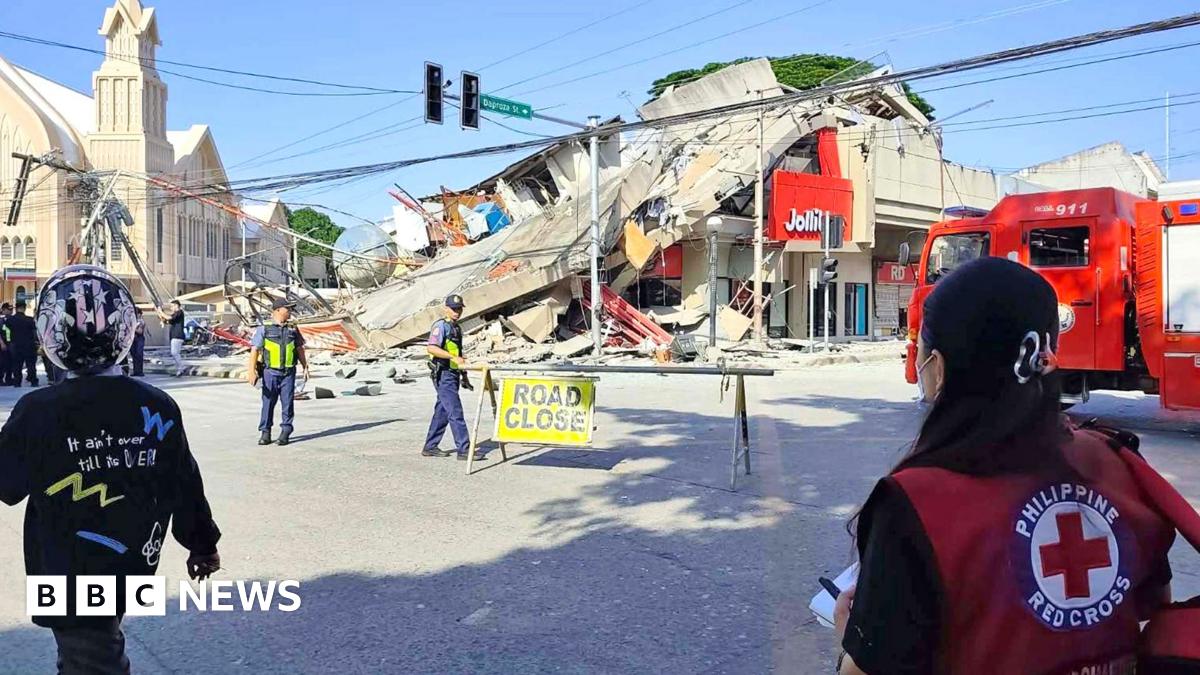
Philippines Earthquake Live: At least 15 Dead and 129 Injured, Officials Say
A powerful 7.8-magnitude earthquake has struck the southern Philippines, resulting in at least 15 deaths and 129 injuries, according to official reports. The seismic event triggered tsunami warnings, prompting authorities to urge residents in coastal areas to move to higher ground immediately to avoid potential surges.
The 7.8 Magnitude Event in Southern Philippines
A massive earthquake measuring 7.8 on the magnitude scale has shaken parts of the southern Philippines. The sheer power of a 7.8 magnitude quake indicates a major seismic event capable of causing widespread structural damage and significant ground rupture. According to reports from CTV News, the earthquake’s intensity was sufficient to make tsunamis a distinct possibility for several coastlines in the region.
The epicenter was located in the southern portion of the archipelago, a region known for its complex tectonic activity. When an earthquake of this magnitude occurs underwater or near a coast, the displacement of the seabed can push massive volumes of water upward, creating the tsunami threats reported by several news agencies.
Key Event Details:
- Magnitude: 7.8
- Location: Southern Philippines
- Primary Hazards: Severe ground shaking and tsunami potential
Human Toll: 15 Dead and 129 Injured
The immediate aftermath of the quake has been devastating for local communities. According to the BBC and The Guardian, officials have confirmed that at least 15 people have been killed. The number of injured is currently estimated at 129, though these figures may shift as rescue crews reach more remote areas of the south.
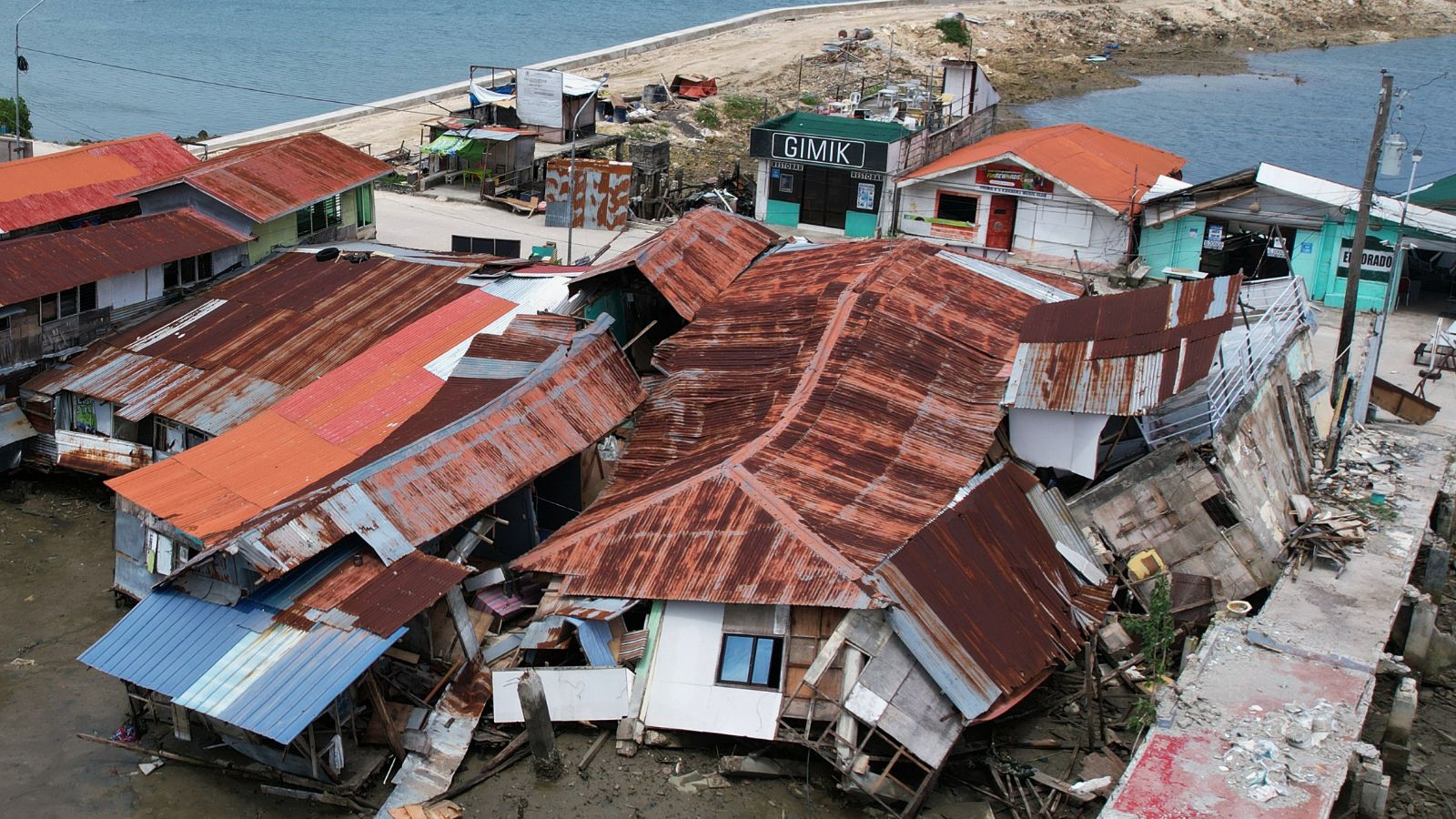
Casualties in these scenarios typically result from collapsing buildings, falling debris, or landslides triggered by the intense shaking. The disparity between the death toll and the number of injured suggests a wide range of impact, from total structural failure to minor injuries caused by panic or falling objects.
At least 15 killed as powerful earthquake strikes southern Philippines.
Emergency response teams are currently working to assess the full extent of the devastation. In the wake of such a powerful quake, the priority for officials is locating survivors trapped under rubble and providing urgent medical care to the 129 known injured persons.
Tsunami Warnings and Emergency Evacuations
Beyond the initial shaking, the threat of water-borne destruction became a primary concern for authorities. CBC reports that the earthquake created a tsunami in the Philippines, leading to urgent directives for residents to evacuate coastal zones. The instruction was clear: move to higher ground immediately.
Tsunamis following a 7.8 magnitude quake are not always a single wave but a series of surges that can last for hours. The urgency of the “higher ground” warning is critical because the first wave is not always the largest, and the receding water can pull people and debris back into the ocean before a larger surge hits.
CTV News further noted that the tsunami risk was not uniform but was considered possible for specific coasts, requiring a targeted but aggressive evacuation strategy to prevent the death toll from rising further.
International Monitoring: No Threat to British Columbia
Due to the magnitude of the event, international monitoring agencies tracked the seismic waves and potential water displacement across the Pacific Ocean. For residents in North America, particularly on the West Coast, there was concern regarding trans-Pacific tsunami activity.
However, CityNews Vancouver confirmed that there were no tsunami alerts issued for British Columbia. This indicates that while the earthquake was powerful enough to cause local devastation in the Philippines, the energy displacement did not create a threat capable of crossing the Pacific to impact the Canadian coastline.
| Region | Tsunami Status | Source |
|---|---|---|
| Southern Philippines | Tsunami created / Possible for some coasts | CBC / CTV News |
| British Columbia, Canada | No alerts issued | CityNews Vancouver |
Understanding the Geologic Risk in the Philippines
The Philippines is one of the most seismically active countries in the world, largely because it sits atop the “Pacific Ring of Fire.” This is a horseshoe-shaped zone characterized by a nearly continuous series of volcanoes and earthquake epicenters. The archipelago is squeezed between the Philippine Sea Plate and the Eurasian Plate, leading to frequent subduction events where one plate slides beneath another.
A 7.8 magnitude earthquake is a significant event even for a region accustomed to tremors. To put this in perspective, the magnitude scale is logarithmic, meaning each whole number increase represents a ten-fold increase in measured amplitude and roughly 32 times more energy release. A 7.8 quake releases an immense amount of energy, often resulting in the “powerful” shaking described by The Guardian and CBC.
Common misconceptions about these events often include the belief that a “big one” prevents smaller quakes. In reality, a major 7.8 event can trigger aftershocks—smaller earthquakes that occur as the crust adjusts to the new position. These aftershocks can be dangerous, as they often cause already weakened buildings to collapse.
For more information on regional safety, readers may find a related explainer on tectonic plate movements useful for understanding why the southern Philippines is particularly vulnerable.
Comparing Media Coverage of the Disaster
Different global news outlets have prioritized different aspects of this unfolding crisis, reflecting their target audiences and reporting strengths. A comparison of the primary sources reveals a clear division in narrative focus:
- The Human Cost: The BBC and The Guardian have focused heavily on the casualty figures, leading with the “15 dead and 129 injured” statistics. This framing emphasizes the humanitarian crisis and the immediate loss of life.
- The Environmental Threat: CBC and CTV News have prioritized the tsunami aspect. By highlighting the “higher ground” warnings and the fact that a tsunami was actually created, these outlets focused on the ongoing danger and the urgency of evacuation.
- The Regional Impact: CityNews Vancouver took a localized approach, addressing the specific concerns of a Canadian audience by confirming the lack of threat to British Columbia.
This variance shows how a single event—a 7.8 magnitude earthquake—is processed through different lenses: as a tragedy (BBC/Guardian), a natural disaster warning (CBC/CTV), and a distant seismic event (CityNews).
FAQ: Philippines Earthquake and Tsunami
What was the magnitude of the Philippines earthquake?
The earthquake that struck the southern Philippines was measured at a magnitude of 7.8.
How many people were killed and injured?
According to officials cited by the BBC, at least 15 people have died and 129 others have been injured.
Was there a tsunami caused by the earthquake?
Yes, CBC reported that the earthquake created a tsunami, and residents in affected coastal areas were urged to move to higher ground.
Is there any risk to the coast of North America?
No. CityNews Vancouver reported that there were no tsunami alerts issued for British Columbia following the event.
Where exactly did the earthquake strike?
The earthquake impacted the southern region of the Philippines.
As the situation evolves, the focus remains on search and rescue operations in the south and the continued monitoring of coastal waters for further tsunami activity. The coordination between local officials and emergency crews will be vital in managing the 129 injured and preventing further casualties during the aftershock period.
