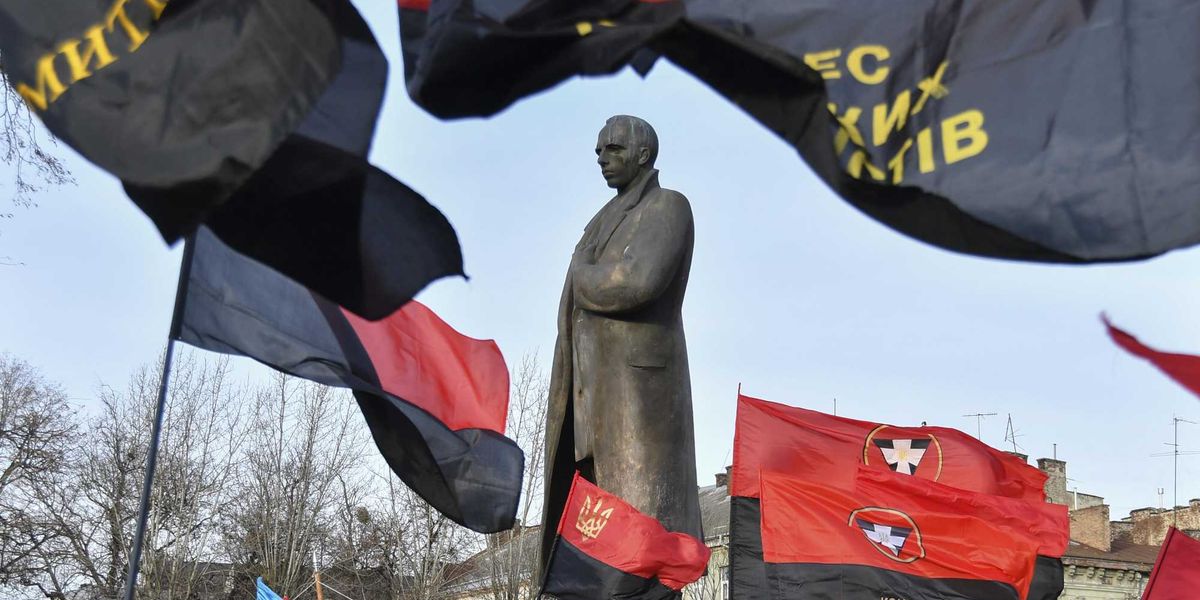
Diplomatic tensions have emerged between Poland and Ukraine as Warsaw protests Kyiv’s glorification of historical figures linked to the Ukrainian Insurgent Army (UPA) and the naming of a modern elite military unit. According to regional reports, this clash over historical memory is straining ties between the two allies and potentially benefiting Russian propaganda narratives.
- Core Conflict: Disagreement over the legacy of the Ukrainian Insurgent Army (UPA) and the naming of current military units.
- Primary Actors: The governments of Poland and Ukraine.
- Key Concern: That the celebration of controversial historical figures provides a strategic opening for Russian narratives.
The Dispute Over Military Nomenclature
Recent friction between Warsaw and Kyiv has centered on the specific naming of a Ukrainian elite military unit. According to reports from local media, the two capitals are currently “at odds” over the identity assigned to this unit, which Poland views as problematic. This disagreement highlights a deeper rift regarding which historical figures are deemed appropriate for honor in the context of modern Ukrainian national defense.
Historical Memory and the UPA
The current diplomatic strain is rooted in the “exhumation” of the UPA (Ukrainian Insurgent Army) within Ukrainian public memory. While Kyiv has moved to celebrate certain historical figures as national heroes, Poland has expressed strong irritation over these commemorations. Some reports have characterized the figures being honored as “Nazi heroes,” suggesting that the celebration of such militias ignores the atrocities associated with their legacy.
The contrast in perspectives is stark: while Ukraine views these figures through the lens of national liberation and independence, Poland remembers the UPA for its violent history in territories that are now part of both nations.
Geopolitical Implications for the Alliance
Analysts suggest that this internal conflict within the pro-Western bloc may have broader strategic consequences. According to reports, the way Ukraine manages its historical memory regarding the UPA may inadvertently “favor Russia,” providing the Kremlin with rhetorical ammunition to justify its own claims about the nature of the Ukrainian government.
The situation is further complicated by what some observers describe as the “silence of the Europeans,” noting a lack of a unified European response to the tension between these two critical allies during a period of heightened regional instability.
