
Telkom is streamlining its corporate architecture by liquidating between 12 and 14 of its subsidiaries, reducing its total number of subsidiaries to 19. According to public statements from Danantara and state-owned enterprise (BUMN) leadership, the restructuring aims to eliminate non-core operational burdens to secure long-term growth, with a firm guarantee that no employees will be laid off during the process.
- Subsidiary Reduction: Telkom will liquidate 12 to 14 subsidiaries, leaving 19 remaining.
- Strategic Goal: The move is designed to cut non-core costs and prioritize long-term growth.
- Employment Guarantee: Danantara has guaranteed that no employees will be terminated as a result of the downsizing.
Reducing Non-Core Operational Burdens
The decision to trim Telkom’s extensive network of subsidiaries is part of a broader effort to optimize the company’s operational efficiency. By liquidating 12 to 14 entities, the company intends to shed liabilities and management overhead associated with business units that do not align with its primary strategic objectives.
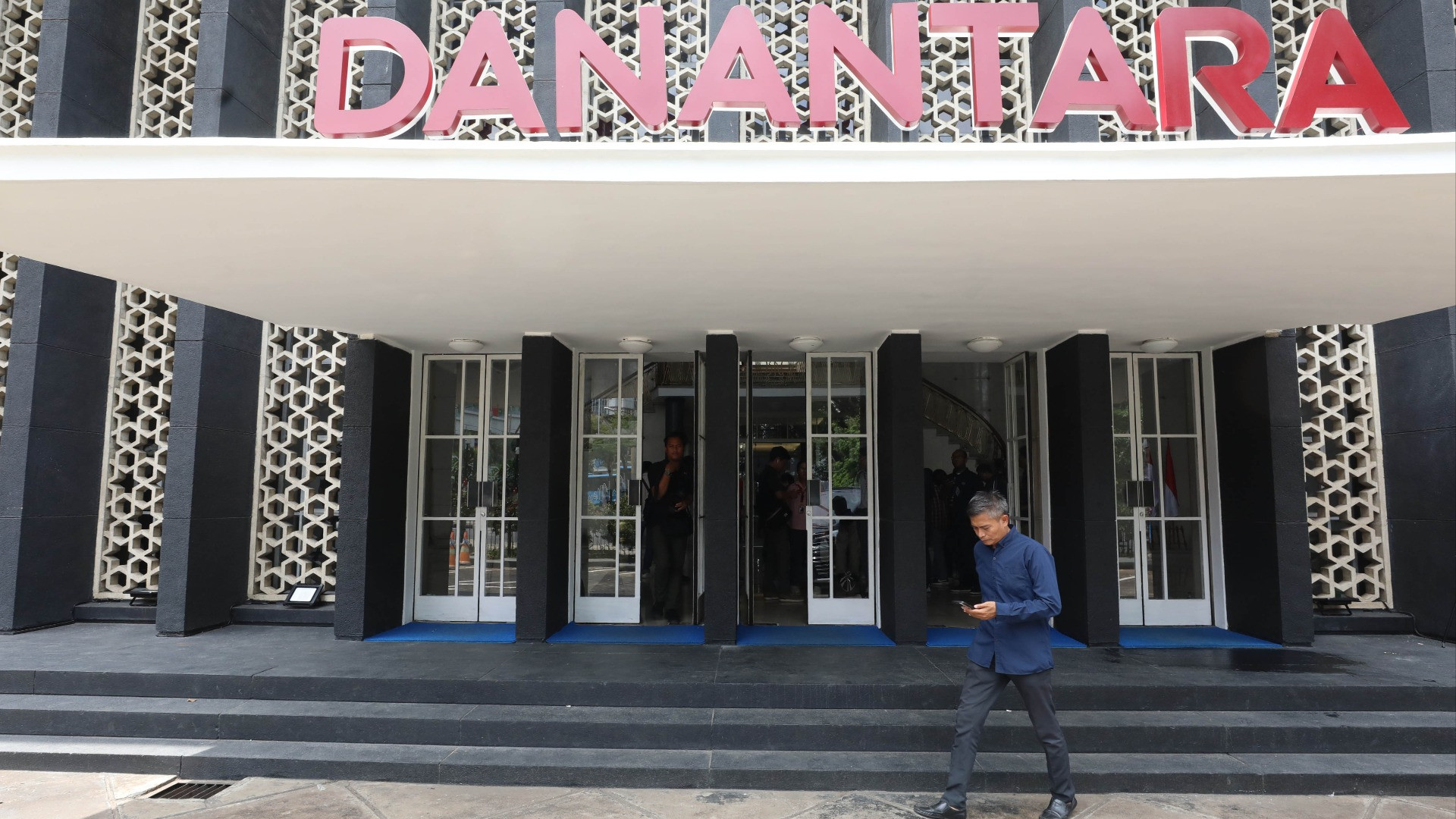
According to local media reports, this streamlining process is specifically targeted at removing non-core burdens. In the telecommunications sector, maintaining a vast array of subsidiaries can lead to fragmented resources and diluted focus; by narrowing its scope to 19 subsidiaries, Telkom aims to consolidate its strengths and accelerate growth trajectories.
Job Security Amid Corporate Liquidation
Despite the significant reduction in the number of corporate entities, the Indonesian government and Danantara have moved to preempt concerns regarding workforce stability. While the liquidation of companies often signals potential job cuts, leadership has explicitly stated that this restructuring will not result in mass terminations.

Banyak BUMN pangkas anak usaha, Danantara jamin tak ada pegawai yang dipecat.
According to public statements, the guarantee against layoffs (PHK) is intended to ensure that the transition remains focused on structural efficiency rather than headcount reduction. This approach suggests that personnel from the liquidated subsidiaries will likely be absorbed into other parts of the organization or redistributed to support core operations.
Strategic Implications for BUMNs
The restructuring of Telkom reflects a wider trend among state-owned enterprises (BUMN) to simplify their corporate hierarchies. The move by Danantara indicates a shift toward a leaner operational model across the public sector, prioritizing sustainable growth over the mere expansion of corporate entities.
By focusing on a smaller, more integrated group of 19 subsidiaries, Telkom is positioning itself to be more agile in a competitive technology market, ensuring that capital and human resources are allocated to the most impactful areas of the business.
