Lenovo adds Intel Wildcat Lake chips to ThinkPad E14 and E16 laptops
Lenovo is expanding its entry-level business laptop range by integrating Intel's new Wildcat Lake architecture into the latest ThinkPad E14 and E16 models. This update offers a budget-conscious alternative for professional productivity, focusing on efficiency over high-end AI capabilities.
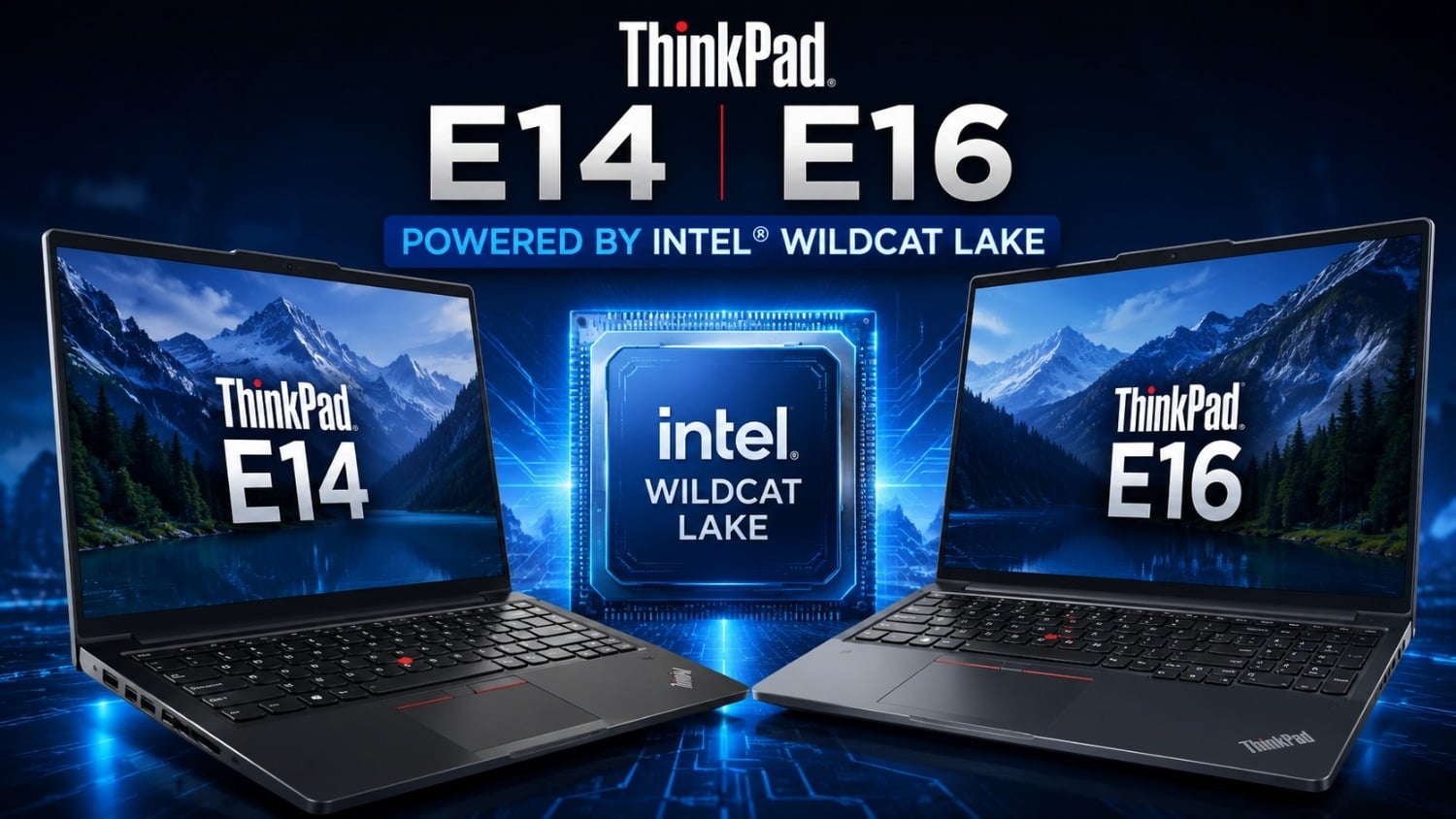
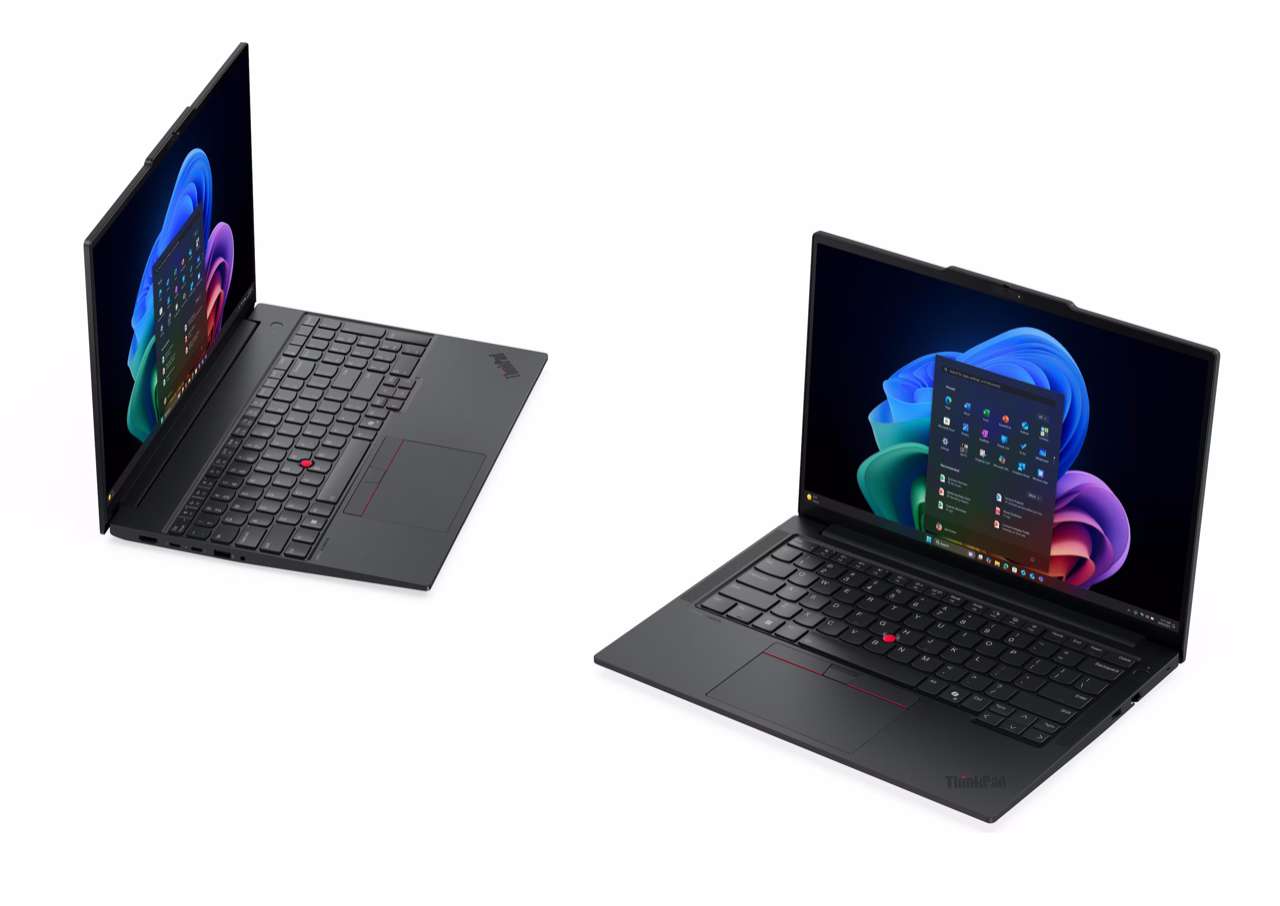
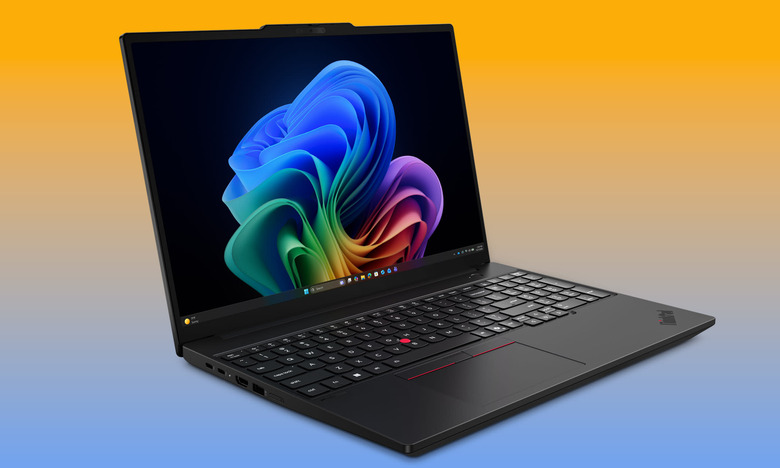
Lenovo has expanded its business laptop portfolio by integrating Intel’s new Wildcat Lake architecture into its entry-level ThinkPad E14 Gen 8 and ThinkPad E16 Gen 4 models. The shift, appearing in official product specification documentation as of July 8, 2026, marks the first time Intel’s Core Series 3 platform has been utilized within Lenovo’s professional-grade ThinkPad line.
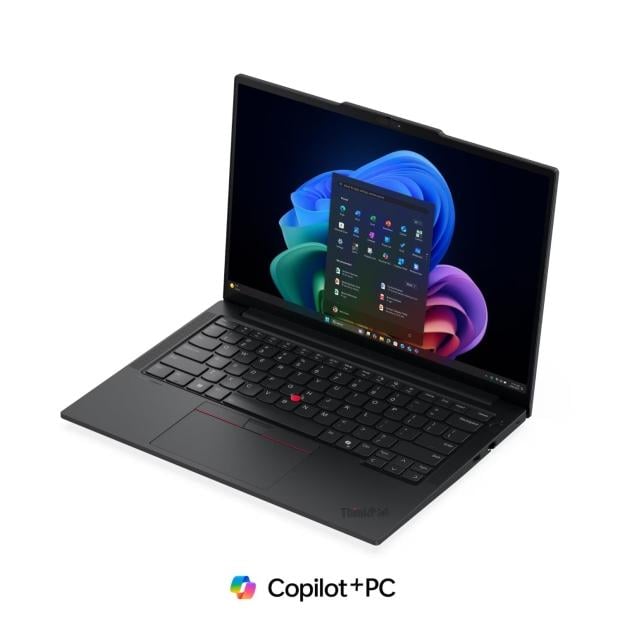
Positioned as a more accessible alternative to the higher-end Panther Lake configurations, the Wildcat Lake-equipped ThinkPads provide a budget-conscious entry point for organizations and individual professionals. While the Panther Lake-based variants remain available for users requiring advanced vPro management and Copilot+ capabilities, the Wildcat Lake options focus on power efficiency and baseline productivity performance.
Related media
Technical Specifications and Performance
The Wildcat Lake lineup features a six-core, six-thread architecture utilizing two "Cougar Cove" performance cores and four "Darkmont" low-power efficiency cores. According to reports from the Tweaktown database, the P-core boost clocks range from 4.4 GHz to 4.8 GHz depending on the SKU. The platform is designed for standard office applications, including document editing and video conferencing, with Intel noting a 47 percent improvement in single-threaded performance compared to older hardware from 2020.
The hardware architecture entails specific trade-offs compared to premium segments. Because Wildcat Lake supports only single-channel memory, these ThinkPad configurations are limited to a single DDR5-5600 SO-DIMM slot, capping system memory at 32GB. While this provides a degree of user-upgradeability, it does not match the dual-channel performance offered by the Panther Lake series. Furthermore, the integrated NPU provides between 15 and 17 TOPS of AI acceleration, which falls below the 40 TOPS threshold required for Copilot+ branding, as noted by The Gadgeteer.
ThinkPad Configuration Overview
| Feature | Wildcat Lake Specification |
|---|---|
| Processors | Core 5 (315, 320, 330) and Core 7 (350, 360) |
| Memory | Up to 32GB (Single SO-DIMM, DDR5-5600) |
| Storage | Single M.2 2242 PCIe 4.0 slot (up to 1TB) |
| Connectivity | Thunderbolt 4, HDMI, Ethernet, Wi-Fi 7 |
Market Positioning and Availability
Lenovo is also deploying the Wildcat Lake platform across its broader consumer and semi-professional lineup, including the IdeaPad Slim 3i series. As Notebookcheck reports, these models will feature diverse display options, including high-refresh-rate OLED panels for some configurations. However, the ThinkPad E14 and E16 remain the primary destination for users seeking the traditional ThinkPad aesthetic, which includes a renowned keyboard layout and rugged build standards.
Despite the official documentation appearing online, the transition remains in its early stages. The Gadgeteer notes that some internal documents, specifically regarding the E14 Gen 8, still contain placeholder text, suggesting that procurement teams and buyers should verify specific SKU availability. No pricing or firm shipment dates have been released by Lenovo at this time.
This deployment coincides with a wider update to Lenovo’s business-focused catalog, which includes the flagship T-Series refresh and the X13 Detachable. The E-Series Wildcat Lake integration serves to keep the entry-level tier competitive against alternatives from HP and Dell. For organizations managing fleets, the decision between Wildcat Lake and Panther Lake will likely hinge on whether they require remote vPro management or local AI acceleration.
What to Watch Next
- Pricing Disclosure: Market analysts are watching to see if the price gap between Wildcat Lake and Panther Lake models is significant enough to justify the performance trade-offs.
- Documentation Updates: Potential for revisions to current PSREF pages to resolve inconsistencies found in the E14 Gen 8 documentation.
- Real-World Battery Testing: As independent reviews emerge, verifying Intel’s claims of up to 12.5 hours in office productivity suites will be critical for business travelers.
Archypedia is dedicated to independent, evidence-backed reporting. This briefing was synthesized from primary source reporting, corroborated across independent newsrooms, and verified against our Editorial Standards.
Transparency record
Evidence behind this report
This report synthesizes 7 distinct sources. Open the source ledger below to compare the underlying coverage.
- the-gadgeteer.com
- tweaktown.com
- notebookcheck.net
- engadget.com
- gamingdeputy.com
- notebookcheck.nl
- tomshardware.com
Prepared under the Archypedia Editorial Policy by the Niko Vale editorial desk profile. AI-assisted tools may support drafting and verification; public accountability remains with Archypedia. Report an error.


