iOS 27 adds iPhone Handoff to share one number across two devices
Unlike previous continuity tools, iPhone Handoff operates at the network level, enabling a secondary device to function as a standalone cellular phone.
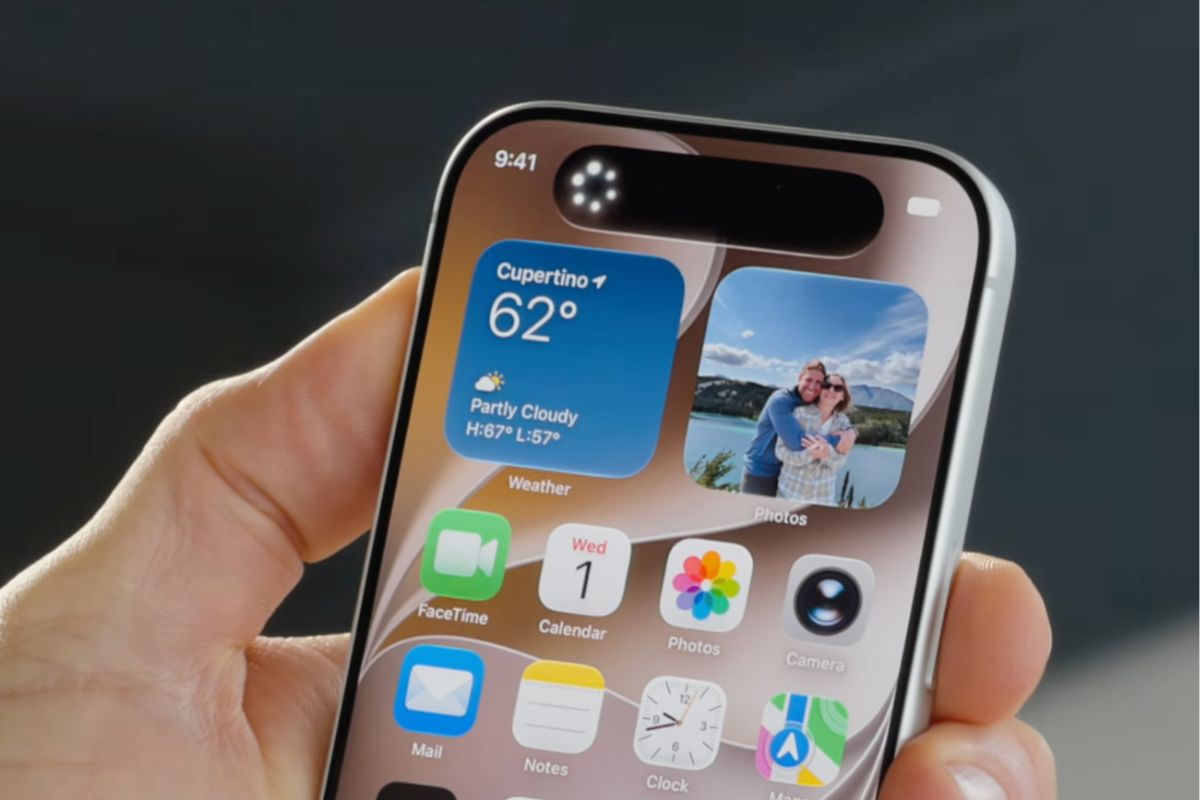
Apple has engineered a native, network-level system in iOS 27 allowing two iPhones to share a single phone number, yet users remain entirely unable to activate the capability until mobile carriers explicitly choose to support it. The feature, designated as "iPhone Handoff," solves a persistent logistical hurdle for individuals who regularly carry multiple devices — such as those juggling personal and professional handsets or retaining an older model as a backup — without forcing manual eSIM transfers or duplicate monthly line fees.
While Apple briefly surfaced the software on a crowded keynote slide during WWDC 2026, detailed mechanics of the system only emerged through simulated testing in Xcode 27's Device Hub, spotlighted by MacRumors forum member pdfu. According to findings outlined by The Apple Post, configuration takes place directly within the Settings application under the Cellular menu. During setup, a user designates a main iPhone to house the primary eSIM, while a second device receives a companion eSIM under the exact same phone number.
Related YouTube video

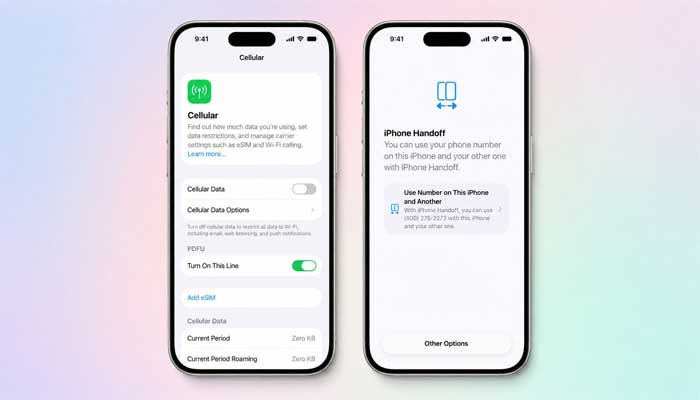
Operationally, the architecture differs fundamentally from older Wi-Fi and Bluetooth continuity features. Capabilities like text message forwarding and FaceTime call relay merely piggyback on an active host device over local wireless connections, leaving secondary handsets dependent on the primary phone remaining nearby and powered on. By contrast, Android Authority notes that iPhone Handoff operates natively at the network and eSIM level, allowing a companion device to function as a fully standalone cellular phone even if the primary device is left switched off at home.
Cellular settings remain strictly tethered to the main device, meaning central management is anchored in one place. Meanwhile, location sharing behaves dynamically, shifting automatically to follow whichever phone is actively utilizing the shared number at any given moment, as detailed by Digital Trends.
Despite the underlying software engineering, practical access faces a major bottleneck. As reported by Analytics Insight, the capability depends strictly on external network support rather than software updates alone. Early indicators point to T-Mobile in the United States and Deutsche Telekom in Germany as prospective initial launch partners, but Apple has not yet published a complete or official roster of participating carriers across different global markets.
The public rollout of iOS 27 later this month will ultimately determine whether mobile network operators deploy the necessary backend support at launch to make multi-device phone number sharing a reality for everyday users.
Deployment Requirements and Timeline
The path to activation for iPhone Handoff has been tracked through a specific development cycle. After being unveiled at WWDC 2026 in June, the feature underwent three months of beta testing throughout the summer. By the release of iOS 27 beta 8, forum member pdfu had identified the feature within Xcode 27's Device Hub, though Analytics Insight notes that the option remains unavailable to some beta users until their specific carrier enables it.
This network-level dependency creates a fragmented rollout. While MacRumors and other outlets highlight T-Mobile and Deutsche Telekom as potential early adopters, the absence of an official Apple roster means availability will vary by country and network. This differs from standard software updates; installing iOS 27 is a prerequisite, but not a guarantee, of access.
The practical application of this system extends beyond simple backup devices. For users adopting upcoming hardware, such as a foldable model, iPhone Handoff allows them to retain a flagship iPhone for specific needs, like superior telephoto photography, while utilizing a second form factor for other tasks without managing two separate cellular plans. Because the companion device operates as a standalone unit, the user does not need to maintain a local wireless link to the primary phone to receive calls or data.
Detailed availability and the full list of supported operators are expected to emerge as the public rollout occurs later this month. For users and carriers, the next step is the official release of the stable iOS 27 build, which will reveal which global networks have implemented the necessary backend infrastructure to support the dual-eSIM architecture.
Carrier Dependencies and Integration
The technical implementation of iPhone Handoff creates a distinct divide between software readiness and service availability. While the feature was unveiled at WWDC 2026 in June and progressed through three months of beta testing over the summer, its presence in the code does not guarantee functionality. According to Analytics Insight, the option remains invisible to some users running iOS 27 beta until their specific carrier activates the backend support.
This requirement marks a departure from standard Apple Continuity services. Current tools for text message forwarding and FaceTime relay rely on Wi-Fi and Bluetooth to "piggyback" off a host device. As Android Authority explains, iPhone Handoff operates at the network level, allowing the companion device to remain a standalone cellular unit even if the primary flagship is powered off.
The utility of this architecture becomes apparent when considering diverse hardware configurations. For instance, users who adopt a foldable model, which Android Authority suggests may lack a high-end telephoto camera compared to flagship models, could use iPhone Handoff to switch between a foldable for productivity and a traditional Pro model for photography without managing two separate lines.
The timeline for full adoption now converges with the broader hardware cycle. With the official launch of iOS 27 expected later this month, the next step is the release of the stable build, which will reveal the final list of participating global networks and confirm which users can finally move their active number between devices.
Archypedia is dedicated to independent, evidence-backed reporting. This briefing was synthesized from primary source reporting, corroborated across independent newsrooms, and verified against our Editorial Standards.
Transparency record
Evidence behind this report
This report synthesizes 7 distinct sources. Open the source ledger below to compare the underlying coverage.
- theapplepost.com
- macrumors.com
- analyticsinsight.net
- jang.com.pk
- androidauthority.com
- digitaltrends.com
- in.mashable.com
Prepared under the Archypedia Editorial Policy by the Niko Vale editorial desk profile. AI-assisted tools may support drafting and verification; public accountability remains with Archypedia. Report an error.


