EU mandates Google and Android open smartphone systems to rival AI agents
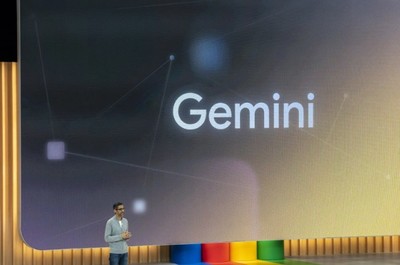
The European Union issued binding mandates requiring Google to open its Android system and search data to third-party artificial intelligence developers. The directive aims to allow rival AI agents to gain system-level functionality currently reserved for native assistants like Gemini.

The European Union has issued binding mandates requiring Google to open its Android operating system and search data to third-party artificial intelligence developers. Announced on Thursday, the directive aims to break the dominance of major tech firms that control the primary gateways to digital services. With a combined global footprint of approximately 5 billion active Android and iPhone devices, Google and Apple are classified as "gatekeepers" under the Digital Markets Act, a regulation that took effect in 2023 to foster competition within the European market.
The European Commission asserts that these firms utilize their control over mobile infrastructure to entrench their own AI assistants, such as Google’s Gemini and Apple’s Siri, while creating barriers for smaller, rival competitors. According to data from Omdia, roughly 427 million iPhones and Android devices are subject to these specific European regulations. The commission intends for these mandates to allow users to access and operate third-party AI agents with the same functionality—including voice commands and the ability to perform background tasks like interacting with other apps—currently reserved for native assistants.
Related media


Enforcement Timeline
The European Commission has established a staggered implementation schedule for these requirements, starting with data access protocols and culminating in full operating system interoperability. The deadlines for Google are as follows:
- January 2027: Google must begin sharing anonymized search data with authorized competitors and AI chatbot developers to help those rivals improve their own services.
- July 2027: Google is required to provide rival AI agents with the same system-level access to Android features currently enjoyed by Gemini.
- August 1, 2027: The majority of mandated interoperability changes must be fully implemented to meet Digital Markets Act standards.
Security and Privacy Disagreements
Google and Apple have resisted the directives, citing risks to the security of their platforms. Kent Walker, president of global affairs at Google and Alphabet, stated that the mandates risk undermining vital privacy and security guardrails for millions of Europeans.
Furthermore, Google argued that the requirement to share search data could expose business secrets and threaten national security, in addition to compromising user privacy. Sameer Samat, president of Android at Google, noted that Android users already possess the ability to switch default AI assistants within the device settings.
Apple has faced similar conflict with the commission. The company stated that EU regulations would force it to grant third-party assistants nearly unlimited access to a user's device,
and it has already withheld new AI features from the European market due to an inability to reach an agreement with regulators. Apple indicated it attempted to propose alternative solutions involving a "Trusted System Agent" to allow safe access to device capabilities, but the European Commission rejected these proposals.
The reaction from external experts remains divided. Calli Schroeder, senior counsel and director of the AI & Human Rights program at the Electronic Privacy Information Center, questioned the sudden focus on privacy by these companies, suggesting their track records do not always reflect a primary concern for user protection. Conversely, some analysts and industry figures, such as Michael Stokes, senior vice president of emerging technologies at Veilant, warn that if AI agents gain deep access to messages, locations, microphones, and screens without sufficient safeguards, a system malfunction or unauthorized data collection could have severe consequences for consumers.
Market Implications
The European Commission maintains that gatekeepers are capable of implementing appropriate privacy and security protections while complying with the Digital Markets Act. Henna Virkkunen, an executive vice president at the commission, noted that the measures are intended to foster alternatives to existing services, allowing users in the EU to enjoy a broader range of choices. As AI technology evolves to include complex task execution, analysts observe that the ability to bypass native operating system services could fundamentally alter the influence of companies like Google over the mobile experience. While Google suggests that individual phone manufacturers, such as Samsung, would be responsible for vetting third-party agents, regulators remain focused on preventing the restriction of market access at the operating system level.
Archypedia is dedicated to independent, evidence-backed reporting. This briefing was synthesized from primary source reporting, corroborated across independent newsrooms, and verified against our Editorial Standards.
Transparency record
Evidence behind this report
This report synthesizes 6 distinct sources. Open the source ledger below to compare the underlying coverage.
Prepared under the Archypedia Editorial Policy by the Niko Vale editorial desk profile. AI-assisted tools may support drafting and verification; public accountability remains with Archypedia. Report an error.