Tech Sell-Off Intensifies Amid South Korea’s Economic Downturn
Global investors are witnessing a sharp acceleration in the tech sector’s decline, with South Korea at the epicenter of a broader economic slowdown. The sell-off, which has triggered widespread market anxiety, reflects a confluence of geopolitical tensions, shifting trade dynamics, and internal economic pressures. This in-depth analysis explores the factors driving the crisis, its implications for key industries, and the broader ramifications for the global tech landscape.
What Triggered the Tech Sector’s Sharp Decline?
The recent surge in selling pressure within the technology sector has been fueled by multiple interconnected factors. Analysts point to a combination of reduced consumer demand, supply chain disruptions, and regulatory scrutiny as primary catalysts. South Korea, home to industry giants like Samsung and LG, has seen its stock markets react sharply to these challenges.
One of the most significant contributors to the sell-off is the slowdown in global semiconductor demand. According to a report by the International Data Corporation (IDC), worldwide chip sales declined by 8% in the first quarter of 2026, marking the third consecutive quarter of contraction. This downturn has hit South Korean manufacturers particularly hard, as they account for nearly 20% of global semiconductor production.
Geopolitical tensions have also played a critical role. The ongoing trade disputes between major economies have disrupted export-oriented industries, while rising interest rates have dampened corporate investment. The Korean Exchange (KRX) reported a 12% drop in tech sector indices over the past month, with many companies experiencing a significant loss in market capitalization.
Who Are the Key Players in This Crisis?
The tech sell-off has impacted a wide range of stakeholders, from multinational corporations to individual investors. South Korea’s two largest tech conglomerates, Samsung Electronics and SK Hynix, have been among the hardest hit. Their stock prices have fallen by over 15% in the last six weeks, reflecting investor concerns about their future profitability.
Smaller tech firms are also feeling the strain. Startups in the AI and robotics sectors, which had previously attracted significant venture capital funding, are now facing liquidity challenges. According to a survey by the Korea Venture Capital Association, 30% of tech startups reported difficulties in securing new investments during the first half of 2026.
The crisis has also affected global markets. U.S. tech giants with significant operations in South Korea, such as Apple and Intel, have seen their stocks fluctuate in response to the region’s economic instability. This interconnectedness underscores the global nature of the current downturn.
How Is the South Korean Economy Responding?
The South Korean government has taken several measures to stabilize the market. In late May 2026, the Bank of Korea announced a series of monetary policy adjustments, including a reduction in benchmark interest rates by 0.5 percentage points. This move aimed to stimulate economic activity and ease the burden on borrowing businesses.

However, these efforts have yet to yield significant results. The country’s trade deficit widened in April 2026, reaching a record high of $12.3 billion. This imbalance has further pressured the Korean won, making imports more expensive and exacerbating inflationary pressures.
Political uncertainty has also contributed to the economic slowdown. The upcoming presidential elections in 2027 have created a climate of policy instability, with businesses hesitant to make long-term investments. Analysts at the Korea Institute for International Economic Policy warn that this environment could prolong the current crisis.
What Are the Broader Implications for Global Markets?
The South Korean tech sector’s struggles are part of a larger trend affecting the global economy. The International Monetary Fund (IMF) has revised its growth projections for 2026, downgrading its forecast for emerging markets by 1.2 percentage points. This reflects growing concerns about the resilience of high-tech industries in the face of economic headwinds.
The crisis has also raised questions about the sustainability of current tech investment strategies. Many investors are re-evaluating their portfolios, with some shifting funds toward more traditional sectors. This reallocation of capital could have long-term effects on innovation and technological advancement.
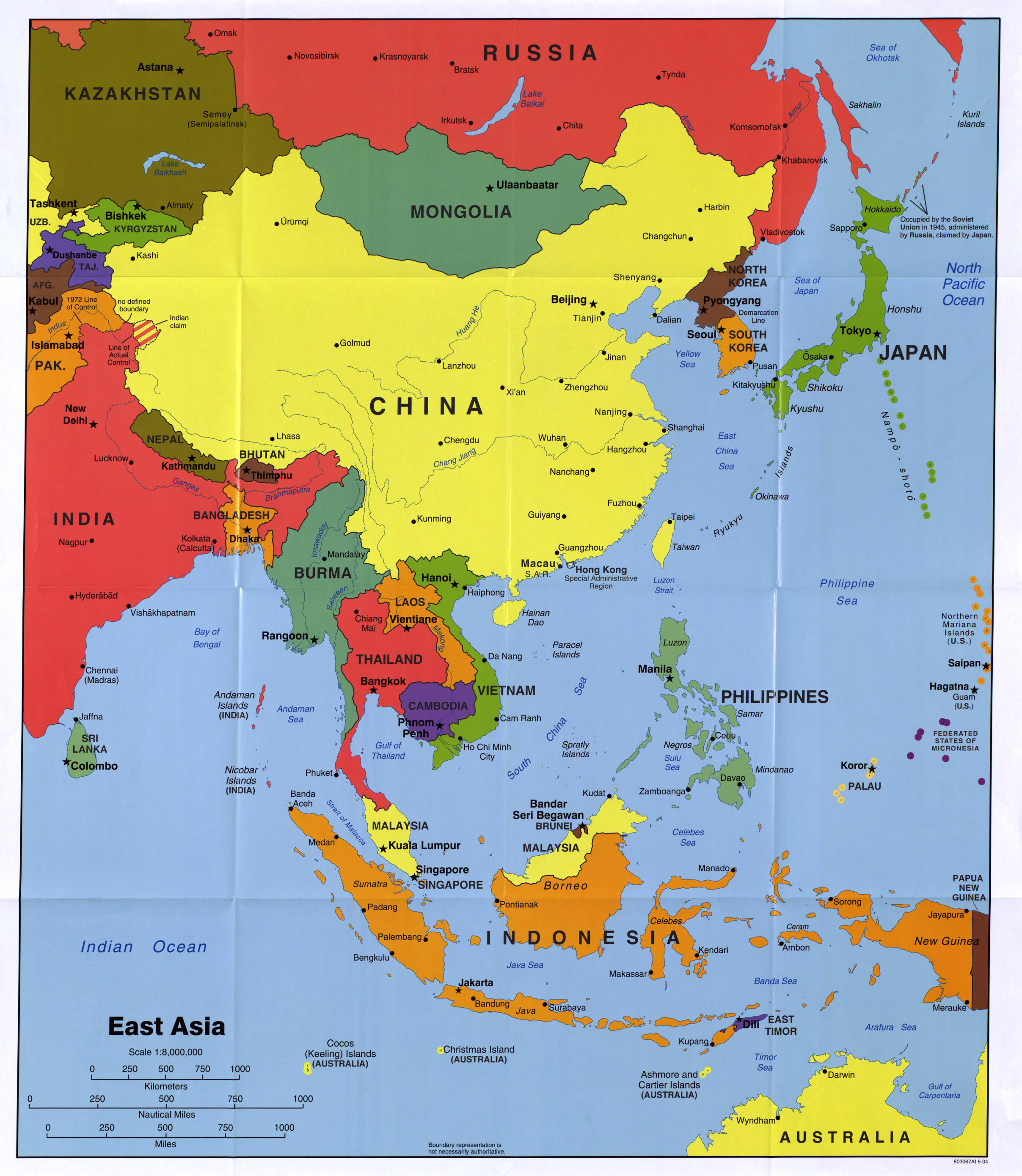
Moreover, the situation has highlighted the vulnerabilities of global supply chains. The reliance on a few key manufacturing hubs, particularly in East Asia, has left the tech industry exposed to regional disruptions. Experts suggest that diversifying production networks could mitigate future risks, but such a transition would require significant time and investment.
What Does the Future Hold for South Korea’s Tech Sector?
Economists remain divided on the long-term outlook for South Korea’s tech industry. Some argue that the current downturn is a temporary correction, while others warn of a more prolonged period of stagnation. The government’s ability to implement effective economic reforms will be crucial in determining the sector’s recovery path.
One potential area of growth lies in the development of next-generation technologies. South Korea has been investing heavily in 5G infrastructure, artificial intelligence, and renewable energy. If these initiatives
