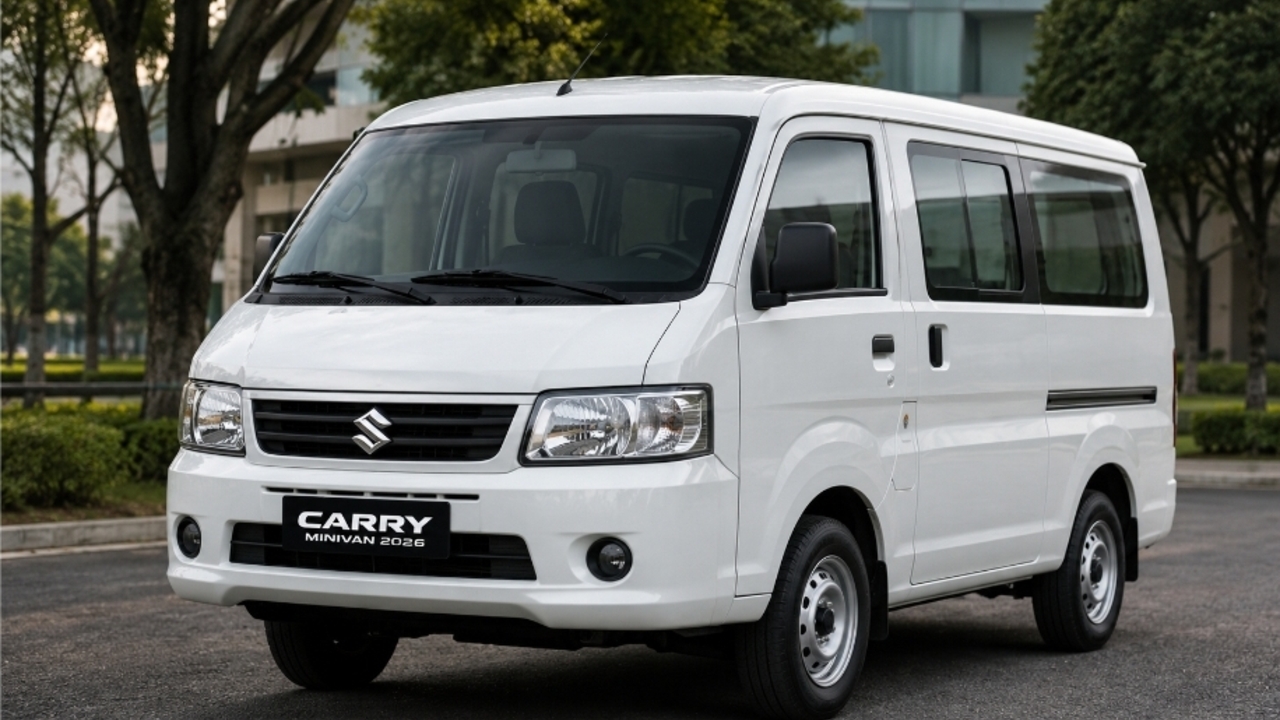
The Suzuki Carry Minivan 2026 has emerged as a standout model in Indonesia’s commercial vehicle market, combining fuel efficiency, spacious cabins, and strong sales growth—driven by demand from logistics firms and small businesses.
Sales of the Carry Minivan surged 33.2% in May 2026 compared to the same period last year, according to local media reports, with the model now accounting for a significant share of Suzuki’s total vehicle sales. The 2026 refresh, featuring a more ergonomic cabin and improved engine efficiency, has positioned it as a key player for both family use and small-scale logistics operations.
Why the 2026 Model Stands Out
The updated Carry Minivan addresses two critical pain points for its target market: space and fuel costs. According to public statements, the new model boasts a 15% larger cabin than its predecessor, while its engine delivers better mileage—reducing operational expenses for fleet operators. Industry analysts note that this combination has made it particularly attractive for micro, small, and medium enterprises (MSMEs) in Indonesia, where fuel prices remain volatile.
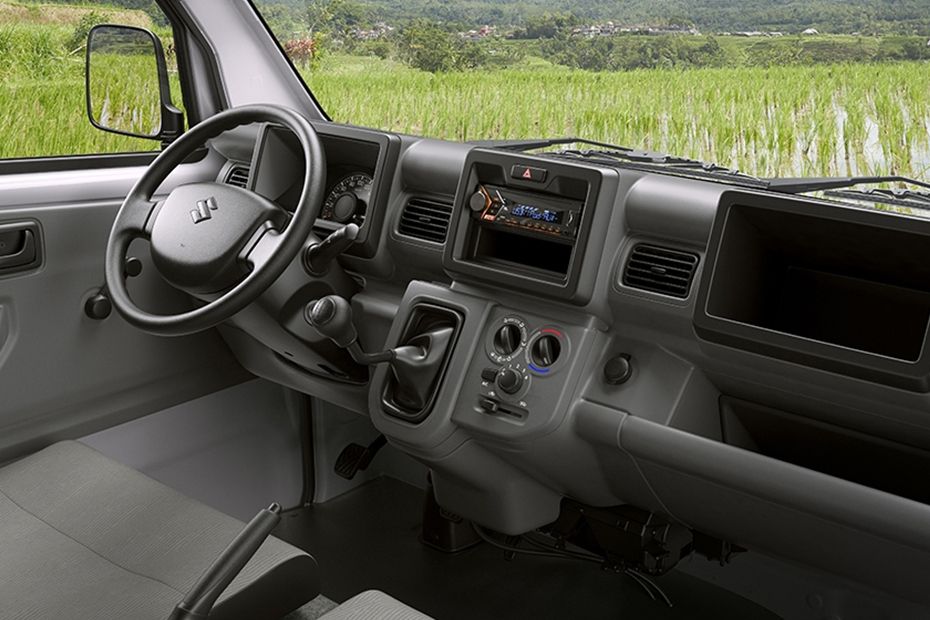
Local media reports highlight that the model’s success is not limited to urban areas. In regions like South Sumatra, where logistics networks are expanding, the Carry Minivan has become a preferred choice for delivery services and rural transport operators. Its compact yet spacious design allows for flexible cargo configurations, a feature that aligns with the needs of Indonesia’s diverse transport sector.
Market Impact: Logistics and MSMEs Lead Adoption
Data from industry sources show that logistics and MSMEs now account for over 60% of Carry Minivan sales, a shift from earlier years when personal use dominated. This transition reflects broader trends in Indonesia’s economy, where small businesses increasingly rely on affordable, reliable vehicles to scale operations.
Suzuki’s decision to focus on the Carry’s utility—rather than luxury features—has resonated with cost-conscious buyers. According to regulatory filings, the model’s base price remains competitive, further boosting its appeal in a market where budget constraints often dictate purchasing decisions.
What This Means for Suzuki’s Future in Indonesia
The Carry Minivan’s performance suggests that Suzuki is successfully capitalizing on Indonesia’s growing demand for practical, fuel-efficient commercial vehicles. With sales projected to remain strong through 2026, the company may expand production capacity to meet rising orders, particularly from logistics firms and MSMEs.

Industry observers also note that the model’s success could influence Suzuki’s broader strategy in Southeast Asia, where similar market dynamics exist. If the Carry’s design and efficiency prove replicable in other regions, it could serve as a blueprint for future commercial vehicle launches.
For now, the 2026 Carry Minivan continues to redefine expectations for affordability and utility in Indonesia’s transport sector, with no immediate signs of slowing demand.
