
Plant Viruses Advance Virus-Induced Gene Editing – seedworld.com
Plant viruses are being repurposed as delivery vehicles for gene-editing machinery to accelerate crop improvement, according to research detailed by seedworld.com. This method, known as Virus-Induced Gene Editing (VIGE), allows scientists to modify plant DNA without the lengthy process of traditional stable transformation, potentially reducing the time required to develop resilient crop varieties.
How Virus-Induced Gene Editing (VIGE) Works
Virus-induced gene editing utilizes the natural ability of plant viruses to infiltrate host cells and replicate their genetic material. In a standard VIGE application, researchers modify a viral vector to carry the components of a gene-editing system, such as CRISPR/Cas9, instead of the virus’s own pathogenic genes. According to reports from seedworld.com, the virus acts as a courier, transporting the Cas9 enzyme and the guide RNA (gRNA) directly into the plant’s cells.
Once the viral vector enters the plant, it spreads systemically through the vascular system. This allows the gene-editing tools to reach a wide array of tissues, including leaves, stems, and roots, without the need for the researcher to manually introduce the tools into every single cell. The Cas9 protein then creates a double-strand break at a specific location in the plant’s genome, as dictated by the gRNA, allowing for precise deletions or insertions of genetic material.
The process differs from traditional genetic modification in its delivery and persistence. While traditional methods often rely on Agrobacterium tumefaciens or biolistics (gene guns) to integrate foreign DNA into the plant genome, VIGE uses the virus to provide a transient burst of the editing machinery. This means the editing tools are present long enough to make the desired change, but the viral vector may not necessarily remain in the plant permanently.
- Viral Vector: A modified virus used to carry CRISPR components.
- Cas9 Enzyme: The “molecular scissors” that cut the DNA.
- Guide RNA (gRNA): The sequence that tells Cas9 exactly where to cut.
- Systemic Movement: The ability of the virus to move throughout the entire plant.
VIGE vs. Traditional Stable Transformation
The primary distinction between VIGE and stable transformation lies in the timeline and the requirement for tissue culture. Stable transformation typically requires the regeneration of a whole plant from a single edited cell through a process called tissue culture, which can take months or years depending on the species. According to seedworld.com, VIGE can bypass this bottleneck by delivering the editing tools to an existing, mature plant.
Because VIGE is transient, the resulting plants may not contain the foreign DNA of the editing tool once the virus is cleared or degraded. This distinction is critical for regulatory classification, as plants that contain no foreign DNA (transgenes) are often viewed differently by regulatory bodies than traditional Genetically Modified Organisms (GMOs).
| Feature | Stable Transformation | Virus-Induced Gene Editing (VIGE) |
|---|---|---|
| Delivery Method | Agrobacterium or Biolistics | Modified Viral Vectors |
| Tissue Culture | Required for regeneration | Often bypassed or minimized |
| Timeframe | Slow (months to years) | Rapid (days to weeks) |
| DNA Persistence | Permanent integration | Often transient/non-integrative |
| Scope of Edit | Whole plant (from single cell) | Systemic (across existing tissues) |
Why Viral Vectors are Preferred for Rapid Crop Improvement
The urgency of global food security and the increasing volatility of climate patterns have pushed researchers toward faster breeding tools. Seedworld.com notes that the ability to test multiple gene-editing targets in a short window makes VIGE a powerful tool for “proof-of-concept” research. Instead of spending a year creating five different stable lines to see which gene affects drought tolerance, a researcher can use VIGE to test those five targets in a few weeks.
Furthermore, certain crops are “recalcitrant,” meaning they are notoriously difficult to edit using traditional tissue culture methods. Many woody perennials, certain legumes, and specific varieties of cereal crops do not regenerate well from callus tissue. By using a virus to deliver the CRISPR machinery, scientists can edit these difficult species without needing to master the complex art of their tissue culture.
“The use of viral vectors transforms the gene-editing process from a slow, cell-by-cell reconstruction into a systemic delivery system that mimics natural infection.”
The Role of Specific Viral Families in VIGE
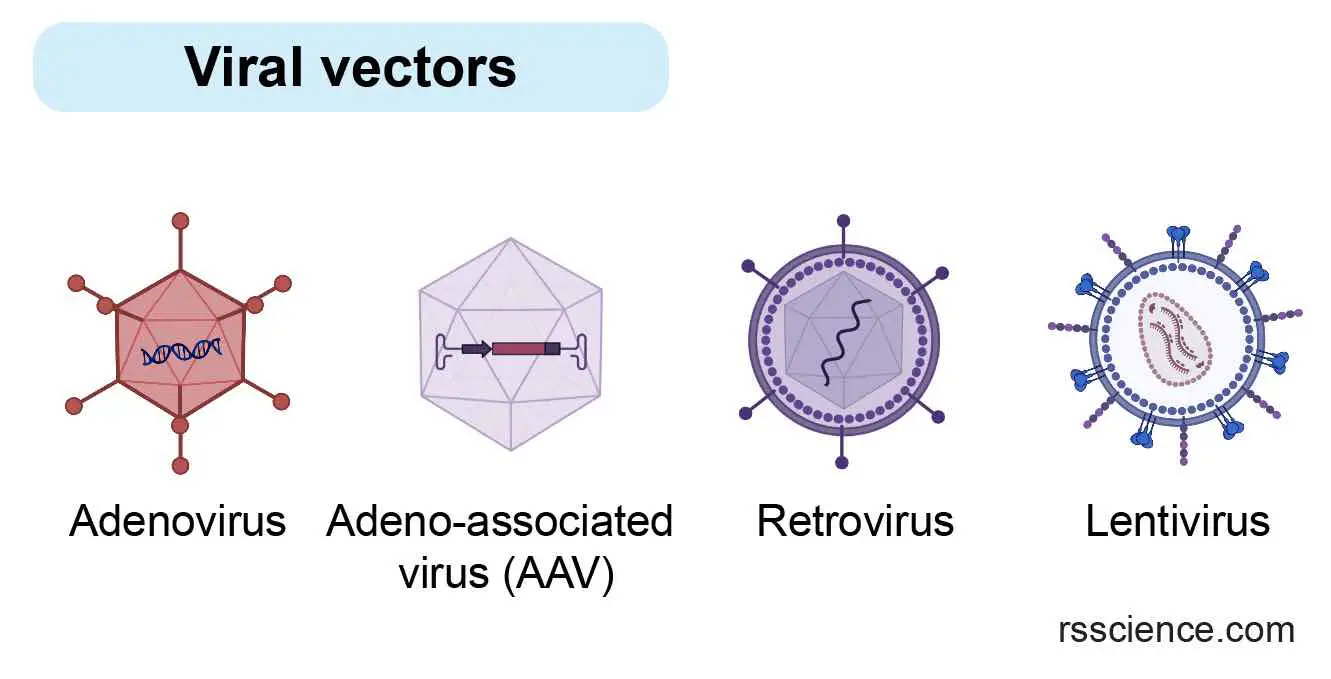
Not all viruses are suitable for gene editing. Researchers select vectors based on their host range, the size of the genetic payload they can carry, and their ability to move systemically. According to technical data associated with the research on Plant Viruses Advance Virus-Induced Gene Editing – seedworld.com, different viral families offer different advantages.
Geminiviruses
Geminiviruses are frequently used because they have a natural affinity for many dicotyledonous plants. They are small, single-stranded DNA viruses. Because they replicate in the nucleus of the plant cell—where the plant’s own DNA is located—they provide an efficient pathway for the Cas9 protein to access the genomic targets.
Potyviruses
Potyviruses are RNA viruses. While they do not enter the nucleus as naturally as DNA viruses, they can be engineered to express proteins that shuttle the CRISPR machinery into the nucleus. They are often used for their high efficiency in spreading through the foliage of the host plant.
Tobacco Rattle Virus (TRV)
TRV is a common choice in laboratory settings because it has a broad host range and is relatively easy to modify. It is often used for Virus-Induced Gene Silencing (VIGS), but it has been successfully adapted for VIGE to allow for the rapid knockout of specific genes in various plant species.
Addressing Regulatory and Environmental Concerns
The use of viruses in agriculture always brings scrutiny regarding biosafety and environmental leakage. A primary concern is the possibility of the modified viral vector escaping the laboratory and infecting wild relatives or neighboring crops. To mitigate this, researchers often use “replication-deficient” vectors—viruses that can initiate the editing process but cannot replicate or spread independently without a specific helper virus provided by the scientist.
From a regulatory standpoint, the “transient” nature of VIGE is its most significant advantage. In many jurisdictions, if the final plant product does not contain any foreign DNA (the “transgene-free” status), it may be exempt from the rigorous and expensive regulations applied to GMOs. According to seedworld.com, this could lower the barrier to entry for smaller seed companies and public research institutions to bring edited crops to market.
However, the distinction between “gene-edited” and “transgenic” remains a point of contention in different global markets. The European Union, for instance, has historically maintained stricter views on any genomic modification, regardless of whether the delivery method was transient or stable. In contrast, the United States and several South American nations have adopted a more product-based approach, focusing on the final trait rather than the process used to achieve it.
Current Limitations and Technical Hurdles
Despite the speed of VIGE, it is not a universal replacement for stable transformation. One of the primary challenges is the “payload capacity” of viruses. The Cas9 protein is relatively large, and fitting the gene for Cas9 along with the guide RNA and the necessary viral promoters into a small viral genome can be difficult. This often leads to unstable vectors or reduced viral fitness, meaning the virus may not spread efficiently through the plant.
Another issue is the potential for “off-target effects.” Because the viral vector replicates and spreads the editing machinery throughout the plant, there is a higher chance that the Cas9 enzyme will linger in the cells longer than necessary, potentially cutting DNA at sites similar to the target sequence. This can lead to unintended mutations that may negatively affect plant vigor or yield.
Additionally, the efficiency of VIGE can vary wildly between different cultivars of the same species. A viral vector that works perfectly in one variety of tomato may be completely neutralized by the immune response of another variety, making the method less predictable than stable transformation.
Key Technical Challenges in VIGE
- Cargo Size: Limited space within viral genomes for large CRISPR proteins.
- Immune Response: Plant “RNA interference” (RNAi) mechanisms can shut down viral vectors.
- Off-Targeting: Prolonged expression of Cas9 can increase unintended mutations.
- Consistency: Variable success rates across different plant genotypes.
Impact on Future Crop Breeding Strategies
The advancement of VIGE signals a shift toward a more iterative approach to plant breeding. Rather than the “one-shot” attempt of stable transformation, VIGE allows for a “test-and-verify” cycle. Researchers can rapidly identify which genes control specific traits—such as salinity tolerance or pest resistance—and then, once the target is confirmed, use more permanent methods to lock in those traits for commercial seed production.
This is particularly relevant for the development of “climate-ready” crops. As weather patterns shift, the traits required for survival in a specific region may change rapidly. The ability to quickly edit a local landrace to withstand a new pest or a specific drought pattern could prevent total crop failure in vulnerable regions.
Related to this is the potential for “multiplexing,” where a single viral vector is used to deliver multiple guide RNAs. This would allow scientists to edit several genes simultaneously, targeting complex traits like nutrient density or yield, which are usually controlled by a network of genes rather than a single one.
Frequently Asked Questions
Is a plant edited via VIGE considered a GMO?
Whether a VIGE-edited plant is a GMO depends on the jurisdiction and the final state of the plant. If the viral vector is cleared and no foreign DNA remains in the genome, many regulators (such as those in the US) do not classify it as a GMO. However, other regions may still regulate it as such based on the process used.

Can VIGE be used on all types of crops?
While VIGE is versatile, its success depends on the availability of a viral vector that can infect the specific crop. Not all plants are susceptible to the same viruses, so a new vector must often be identified or engineered for each new crop species.
How long does the gene-editing process take using VIGE?
VIGE is significantly faster than stable transformation. While stable lines can take years to develop and verify, VIGE can often produce observable phenotypic changes in a matter of weeks, depending on the plant’s growth cycle and the efficiency of the viral spread.
Does the virus used in VIGE make the plant sick?
The viral vectors used in VIGE are typically modified to be non-pathogenic or “attenuated.” While the plant may show some mild symptoms of viral infection during the editing phase, the goal is to use a vector that does not significantly impair the plant’s health or growth.
What is the difference between VIGS and VIGE?
VIGS (Virus-Induced Gene Silencing) temporarily “turns off” a gene without changing the DNA sequence. VIGE (Virus-Induced Gene Editing) uses the virus to deliver tools that permanently change the DNA sequence of the plant.
The movement toward using plant viruses as tools for genomic modification represents a convergence of virology and biotechnology. By leveraging the natural efficiency of viral infection, researchers are reducing the time and technical barriers associated with crop improvement. As these vectors become more refined and payload capacities increase, the ability to rapidly adapt the global food supply to environmental pressures will likely depend on the continued evolution of virus-induced systems.
