
Studio NEiDA is redesigning West African architecture by blending traditional vernacular techniques with modern engineering to “decolonize” the region’s built environment. According to local media reports, the firm focuses on utilizing indigenous materials like earth and stone to create sustainable structures that outperform imported Western architectural models in local climates.
- Core Objective: Decolonizing architecture by removing reliance on Western-centric design standards.
- Technical Method: Integrating ancestral building knowledge with contemporary engineering tools.
- Materials: Prioritizing local earth, stone, and wood over imported industrial materials.
How Studio NEiDA integrates traditional materials with modern tech
The studio’s technical approach centers on the optimization of vernacular materials. Rather than viewing traditional building methods as obsolete, Studio NEiDA treats them as a foundation for modern innovation. According to reports, the firm uses contemporary design software and engineering principles to refine the use of local earth, stone, and wood.
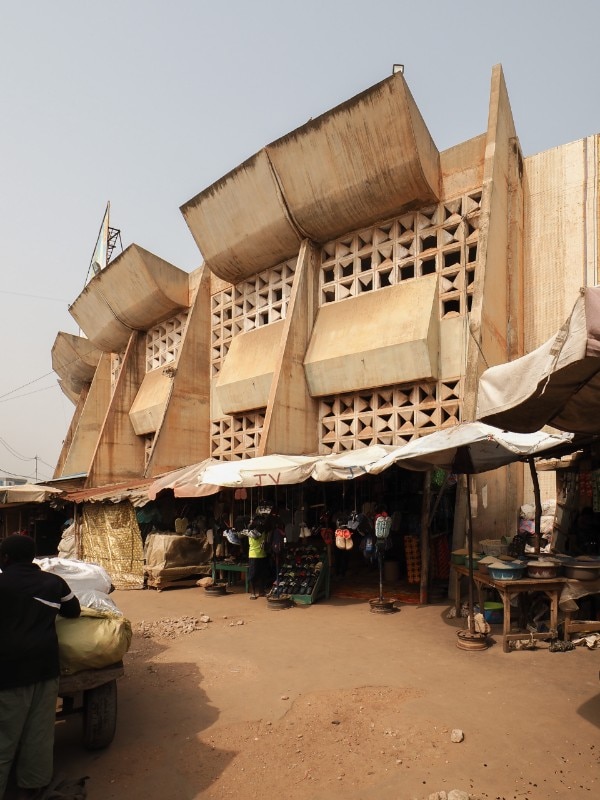
By applying modern structural analysis to these indigenous materials, the studio can ensure safety and durability while maintaining the thermal properties inherent in traditional West African architecture. This hybrid method allows for the creation of buildings that are naturally cooled, reducing the energy requirements typically associated with air conditioning in tropical climates.
The drive to move beyond Western architectural standards
Studio NEiDA argues that the prevalence of Western architectural styles in West Africa is a legacy of colonialism that often ignores local environmental realities. According to the firm, importing European or North American building models frequently results in structures that are poorly suited for the heat and humidity of the region, leading to higher maintenance costs and energy inefficiency.
The goal is to decolonize architecture by returning to a logic of construction that is rooted in the territory, its history, and its climate.
This shift involves a move away from concrete and steel—materials that often require high carbon emissions for transport and production—toward a “territorialized” architecture. The studio focuses on the cultural and ecological reclamation of the building process, ensuring that the final structures reflect the identity of the people using them.
Impact on sustainability and regional development
The adoption of local materials significantly reduces the carbon footprint of construction projects. By sourcing materials from the immediate environment, Studio NEiDA minimizes the logistics and emissions associated with importing industrial supplies. Local media reports indicate that this approach also supports regional economies by utilizing local craftsmanship and labor.
The studio’s work suggests a broader trend toward bioclimatic architecture, where the building’s design is dictated by the local climate to maximize comfort and efficiency. This strategy positions indigenous knowledge not as a relic of the past, but as a technical asset for sustainable urban development in West Africa.
