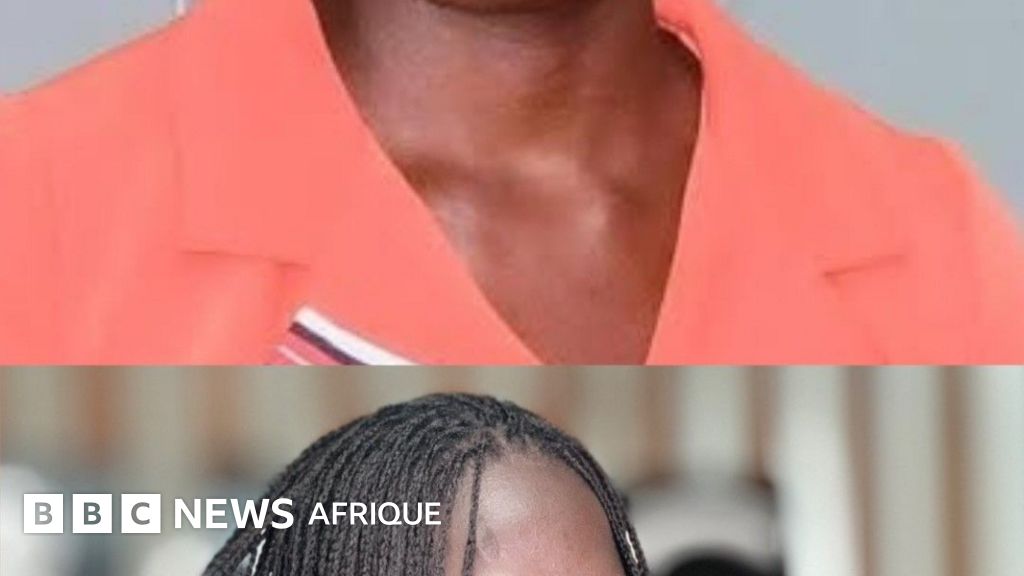
The Senegal Ministry of Family has condemned a wave of cyberharassment and sexist attacks targeting a female minister over her hairstyle. According to official statements and local media reports, the controversy has sparked a national debate regarding the “police of look” and the gendered expectations placed on women in public office.
- Issue: Public scrutiny and online harassment regarding a minister’s hair.
- Official Response: The Ministry of Family condemned the attacks as sexism and cyberharassment.
- Core Conflict: A clash between traditional expectations of “patriotic” appearance and personal autonomy.
Why the Minister’s Appearance Sparked a National Debate
The controversy began when critics began targeting a female minister’s choice of hairstyle, transforming a personal aesthetic choice into a political statement. According to reports from SenePlus, this has created a “tribunal of appearances” where the minister’s professional capacity is being weighed against her physical look.
Critics have framed the debate around national identity, suggesting that certain hairstyles are inconsistent with the image of a government official. However, commentary from Pressafrik characterizes this scrutiny as “salon sovereignty,” arguing that these “look police” are masking ignorance under the guise of patriotism.
The Ministry of Family’s Response to Cyberharassment
The Ministry of Family issued a formal condemnation of the attacks, labeling the behavior as a targeted campaign of sexism. According to the ministry, the attacks are part of a broader pattern of harassment aimed at women who occupy the public sphere.
The ministry condemned the attacks targeting women in the public space, specifically identifying the behavior as cyberharassment and sexism.
The official stance emphasizes that the scrutiny of a woman’s appearance serves as a tool to undermine her authority and distract from her administrative duties. This response highlights a growing tension in Senegal between traditional social norms and the protection of women’s rights in government.
The Conflict Between Patriotism and Personal Style
The discourse has split into two distinct cultural narratives. On one side, some commentators argue that public officials should adhere to a specific visual standard to reflect national values. On the other, writers for LeQuotidien.sn have defended the minister, framing her as a “flower” and suggesting that her appearance should not be a subject of political interrogation.
This divide illustrates a deeper cultural struggle over who defines “patriotism” in Senegal. While some view the minister’s look as a deviation from cultural norms, others argue that true patriotism is not found in a hairstyle but in the service provided to the state. This contrast suggests that the “look police” are not defending the nation, but are instead enforcing rigid gender roles through public shaming.
