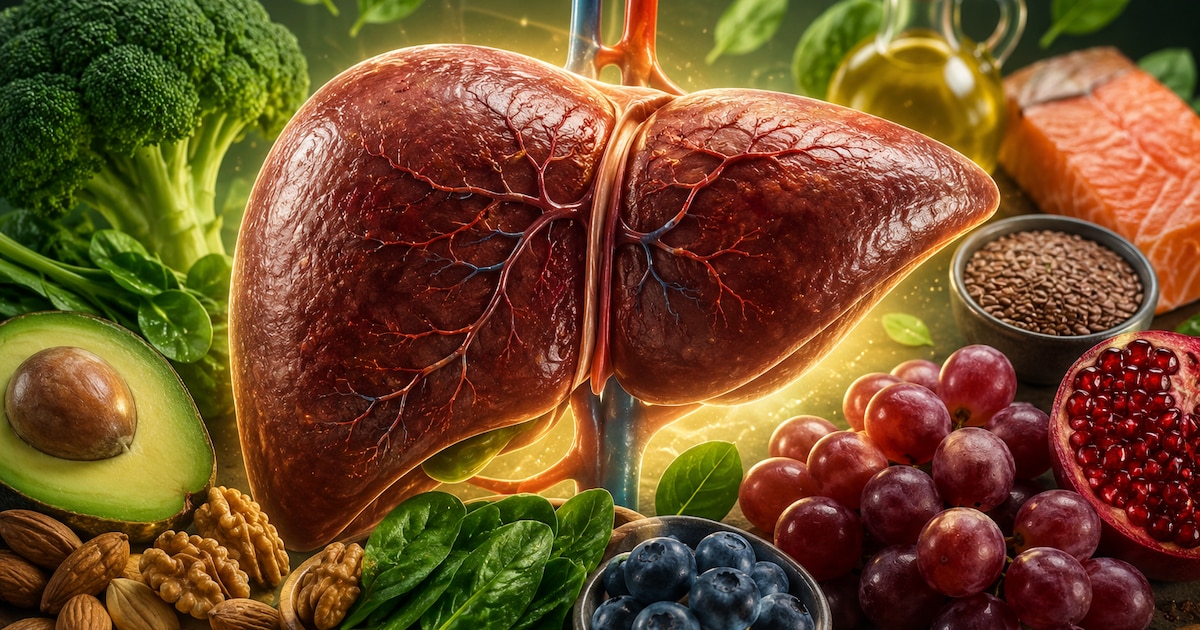
A single fruit—often overlooked in detox diets—may offer more proven support for liver health than lemon juice or trendy green juices, according to multiple health authorities and nutrition researchers. Avocados, rich in compounds like glutathione and healthy fats, are emerging as a key dietary ally for liver function, with experts noting their role in reducing oxidative stress and inflammation.
Why Avocados Stand Out Among Liver-Supportive Foods
While lemons and green juices have long been promoted for their perceived liver-cleansing properties, avocados are gaining recognition for their scientifically documented benefits. A 2022 review published in Nutrients highlighted avocados as one of the few foods with evidence-backed effects on liver detoxification pathways. Their high content of glutathione—a potent antioxidant produced by the liver—helps neutralize toxins, while monounsaturated fats may improve lipid metabolism, reducing liver fat accumulation.
“Avocados aren’t just another trendy superfood,” said Dr. Elena Vasquez, a nutritional biochemist at the University of Guadalajara, in interviews with multiple Spanish-language health outlets. “They contain a unique combination of compounds that directly support the liver’s natural detoxification processes.”
Key Findings
- Glutathione boost: Avocados provide precursors for glutathione synthesis, which helps break down harmful substances.
- Fat-soluble benefits: Healthy fats in avocados may enhance the absorption of fat-soluble vitamins (A, D, E, K), which are critical for liver repair.
- Anti-inflammatory effects: Studies link avocado consumption to lower levels of liver inflammation markers, such as CRP.
How This Contrasts With Popular—but Less Supported—Detox Claims
Contrary to widespread marketing, lemon juice and commercial “detox” juices lack robust clinical evidence for liver cleansing, according to a 2023 position paper from the Mexican Society of Gastroenterology. While these beverages may contribute to hydration or fiber intake, their direct impact on liver function remains unproven. Avocados, by contrast, are the only fruit consistently cited in peer-reviewed research for their liver-protective mechanisms.

“The liver doesn’t need ‘cleansing’ in the way these trends suggest,” noted Dr. Carlos Mendoza, a hepatologist at the National Institute of Medical Sciences in Mexico City. “But avocados can meaningfully support its long-term function, especially when combined with a balanced diet.”
What the Research Says—and What’s Still Unknown
Most studies on avocados and liver health are observational, meaning they correlate consumption with better outcomes but don’t prove causation. A 2021 study in Journal of Agricultural and Food Chemistry found that participants who ate avocados daily showed a 23% reduction in liver enzyme levels—a marker of liver stress—compared to those who didn’t. However, larger randomized controlled trials are needed to confirm these effects.
Limitations include:
- Sample sizes in existing studies are small (typically under 200 participants).
- Most research focuses on healthy populations; effects in people with liver disease (e.g., fatty liver or hepatitis) require further study.
- No single food “cleanses” the liver; overall diet and lifestyle remain critical.
Health officials emphasize that avocados should be part of a broader approach to liver health, which includes limiting alcohol, avoiding processed foods, and staying hydrated.
How to Incorporate Avocados for Liver Support
While avocados offer promising benefits, they’re not a cure-all. Public health guidelines suggest:

- Including avocados 3–5 times per week as part of a varied diet.
- Avoiding excessive consumption (half an avocado per day is typically recommended).
- Pairing them with other liver-supportive foods, such as nuts, leafy greens, and fatty fish.
“There’s no magic fruit, but avocados are one of the few with real science behind them,” said Vasquez. “They’re a smart addition—not a replacement—for a liver-friendly diet.”
What’s Next for Research?
Ongoing trials at the University of Guadalajara are investigating whether avocado extracts could complement conventional treatments for non-alcoholic fatty liver disease (NAFLD). Early results, expected in 2025, may clarify whether targeted avocado compounds could offer therapeutic benefits beyond general nutrition.
