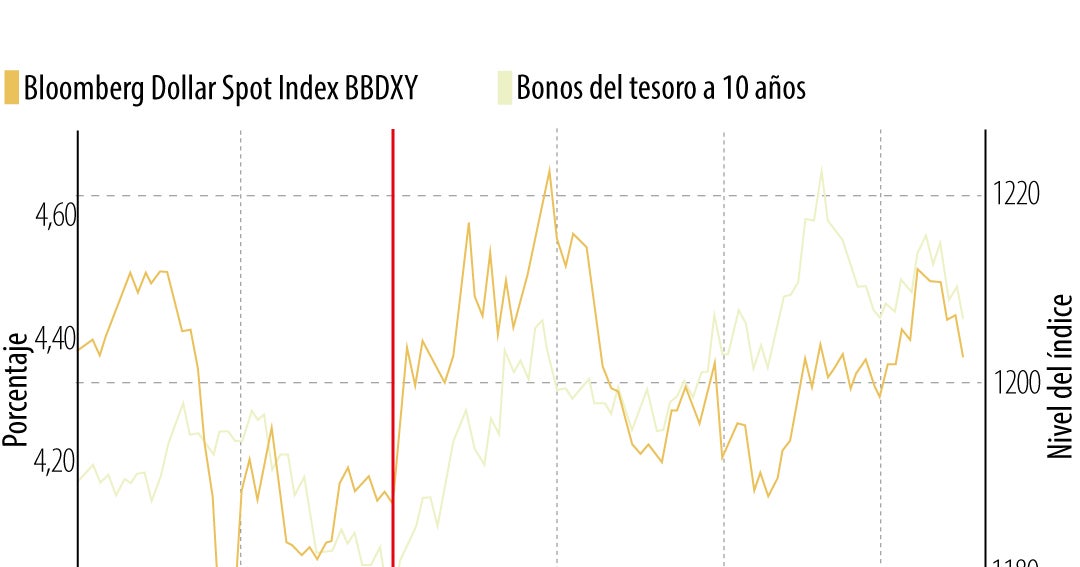
Global oil prices dropped to three-month lows Friday after the U.S. and Iran announced a de-escalation agreement, sending crude benchmarks tumbling more than 5% in a single session and triggering a sharp rally in financial markets.
The agreement, which includes a temporary cease-fire in the Strait of Hormuz—a critical chokepoint for nearly a fifth of the world’s oil supply—eased geopolitical tensions that had fueled a spike in shipping insurance costs and disrupted maritime trade routes. Analysts say the move could stabilize oil flows through the region, though long-term risks remain as broader Middle East conflicts persist.
Why Oil Prices Plunged—and What It Means for Markets
Benchmark crude prices—West Texas Intermediate (WTI) and Brent—fell by more than 5% in early trading, according to data from Bloomberg and Reuters. WTI, the U.S. benchmark, hit $78.50 per barrel, its lowest point since late February, while Brent, the international standard, dropped to $83.20—a nearly 6% decline from the previous week. The sharp decline followed weeks of volatility triggered by attacks on commercial shipping in the Strait of Hormuz, where Iran-backed groups had targeted vessels linked to Israel and other Western nations.
Financial markets reacted swiftly: The Dow Jones Industrial Average surged to a record high, closing up nearly 400 points, while U.S. Treasury yields fell, signaling reduced expectations of a near-term Federal Reserve rate hike. Economists cited the agreement as a key catalyst, though they warned the impact on oil prices would depend on whether the cease-fire holds and whether Iran resumes attacks after the initial pause.
How the Strait of Hormuz Cease-Fire Could Reshape Oil Flows
The Strait of Hormuz, a narrow waterway between Iran and Oman, is the world’s most strategically vital oil transit route, carrying roughly 20% of global crude supplies daily. Since April, Iran-aligned groups have launched a series of drone and missile strikes on commercial ships—including those linked to Israel and the U.S.—disrupting trade and forcing insurers to raise premiums by as much as 300% for vessels passing through the area.
Under the U.S.-Iran deal, both sides agreed to a temporary halt in hostilities, including attacks on shipping and military installations. While the agreement does not include a formal peace treaty, it marks the first concrete step toward reducing tensions since Iran’s April 13 attack on Israel-linked vessels in the Gulf of Oman. Industry sources told Reuters that insurance markets had already begun pricing in a partial normalization of risks, with some brokers reporting a 15–20% drop in premiums for vessels transiting the strait within 48 hours of the announcement.
The immediate effect on oil prices reflects two competing factors: relief over reduced supply disruptions and lingering uncertainty over whether Iran will fully comply. Historically, similar de-escalations in the region—such as the 2018 U.S.-Iran tensions following the Trump administration’s withdrawal from the nuclear deal—led to a temporary oil price rebound before geopolitical risks resurfaced. This time, analysts say the market reaction is more pronounced due to the scale of recent attacks and the broader economic slowdown in China, which has already weighed on global demand.
What Happens Next for Oil and Financial Markets?
Short-term, traders expect oil prices to stabilize in the $75–$85 range unless new attacks resume, according to CNBC and Financial Times reports. The U.S. Energy Information Administration (EIA) had previously warned that a prolonged disruption in the Strait of Hormuz could push Brent prices above $90 per barrel by mid-year, but the cease-fire has tempered those fears—for now.
Financial markets may see further volatility as investors assess whether the agreement leads to broader diplomatic talks. The Dow’s record close suggests confidence in a near-term economic recovery, but economists at Goldman Sachs noted in a Friday report that the Fed’s next move on interest rates will hinge on whether oil prices remain suppressed or rebound sharply. “A sustained drop in crude prices would ease inflation pressures, but the Fed is unlikely to pivot until we see consistent data,” one analyst said.
For shipping companies, the immediate relief in insurance costs could translate into lower operational expenses, though long-term contracts may take weeks to adjust. The International Chamber of Commerce had previously estimated that the Strait of Hormuz disruptions had added $1.2 billion in extra costs for global trade in May alone.
A Cautionary Note: Past Deals, Uncertain Outcomes
This is not the first time geopolitical tensions in the Strait of Hormuz have sent oil markets into turmoil. In 2019, a U.S. drone strike that killed Iranian General Qasem Soleimani triggered a brief but sharp spike in crude prices, only for them to stabilize after Iran’s retaliatory attacks failed to disrupt supply chains. Similarly, the 2012 tanker seizure by Iran led to a 10% price jump before a behind-the-scenes deal with Saudi Arabia restored stability.
This time, the stakes are higher. The U.S. has deployed additional naval assets to the region, including the aircraft carrier USS Eisenhower, while Iran has signaled it will not engage in direct negotiations with Washington. Without a broader diplomatic breakthrough, analysts at S&P Global Commodity Insights warn that oil prices could remain volatile, with potential flashpoints including Iran’s nuclear program and ongoing conflicts in Yemen and Gaza.
Key Data Points:
- Oil Price Drop: WTI (-5.3%), Brent (-5.8%) in a single session.
- Strait of Hormuz Traffic: 20% of global oil supply transits daily.
- Insurance Costs: Premiums for vessels in the strait fell 15–20% within 48 hours of the cease-fire.
- Market Reaction: Dow Jones hit record high; Treasury yields fell 0.15%.
- Historical Context: Past de-escalations led to temporary price relief before tensions resurfaced.
