3 Killed In Seattle Festival Shooting, U.S. And Iran Pause Attacks
A shooting at a Seattle food festival leaves three dead and four wounded as police search for a suspect. Meanwhile, international tensions ease temporarily with a U.S.-Iran military strike pause and FIFA faces scrutiny over tournament governance.
A tragic shooting marred a crowded Seattle food festival, leaving multiple casualties as investigators work to piece together the violence. According to Assistant Seattle Police Chief Tyrone Davis, two individuals were shooting at each other during the Sunday evening incident. The gunfire claimed three lives—with two victims dying at the scene and a third succumbing to injuries at a hospital—while four others sustained wounds and remain hospitalized in stable condition. Law enforcement officials confirmed that one suspect has been arrested and a search continues for a second person involved. Authorities emphasized that investigators believe the pair targeted each other, leaving no ongoing threat to the general public.
The sudden domestic violence unfolded against a backdrop of shifting international tensions, as the United States and Iran paused military strikes over the weekend following a prolonged exchange of attacks. The cessation of hostilities triggered a sharp drop in oil markets, with Brent crude futures falling significantly and providing temporary relief to global shipping lanes that had faced severe disruptions in the Strait of Hormuz. The pause in conflict intersected heavily with the global sports landscape, most notably during the recently concluded international soccer tournament co-hosted across North America.
Related media
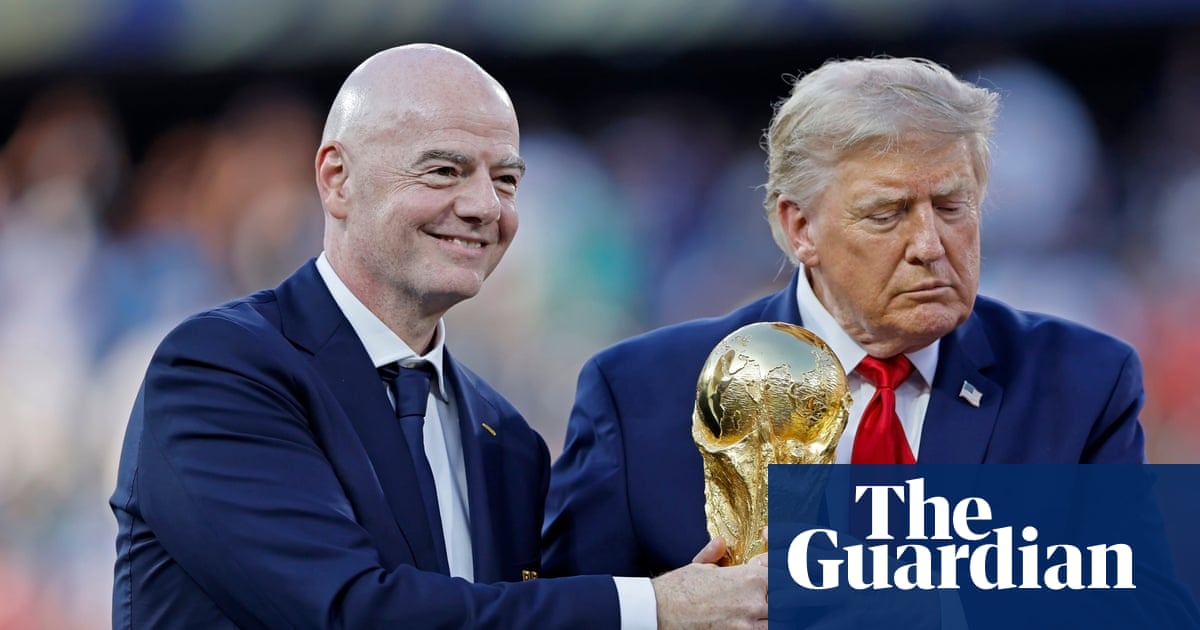
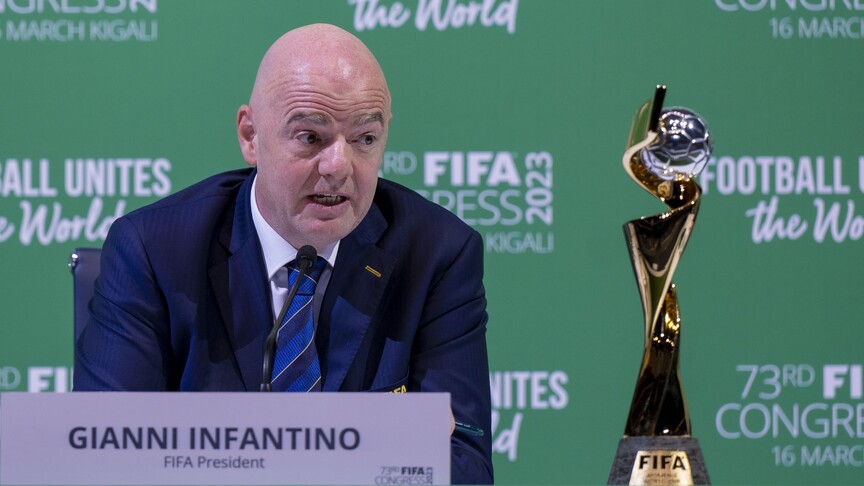
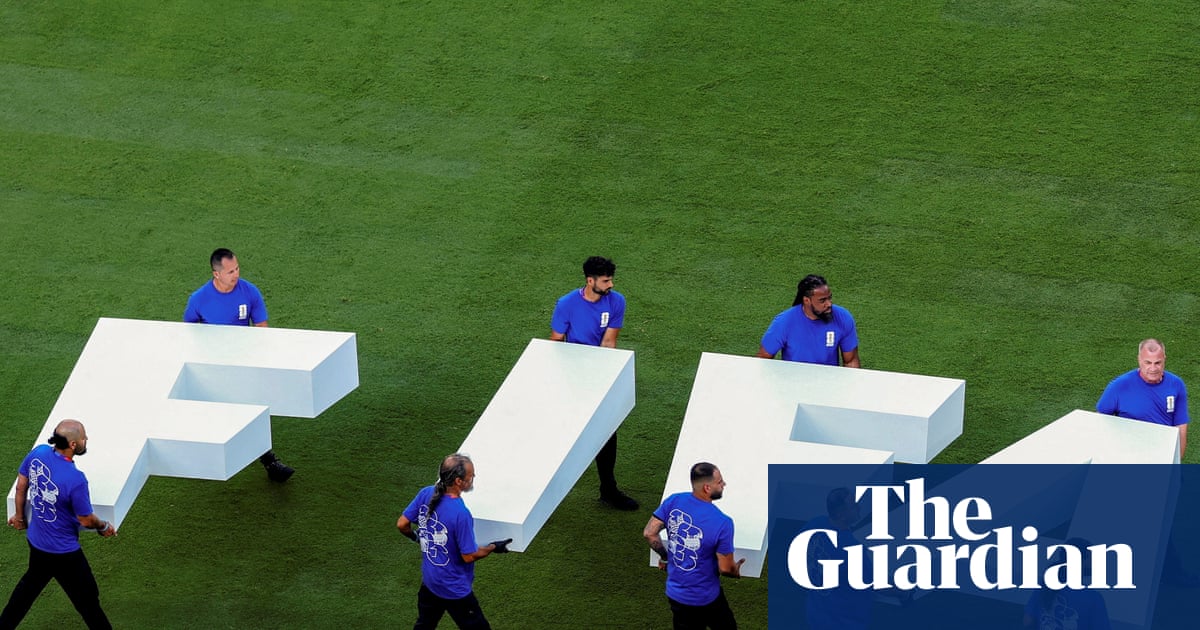
FIFA President Gianni Infantino addressed lingering backlash surrounding the event through an extended social media statement and open letter published on Instagram and FIFA's official platform. Infantino forcefully rejected accusations directed at tournament organizers, claiming that detractors were consumed by hate
and spread false rumors while officials worked on the front lines. The head of world soccer defended the administration of the matches, asserting that the competition experienced zero violence or major incidents and delivered total safety alongside unity. His remarks follow widespread scrutiny regarding the tournament's operational hurdles, including strict American visa constraints that affected supporters and officials from nations like Iran, Haiti, Senegal, and the Ivory Coast, alongside the barring of Somali referee Omar Abdulkadir Artan from entering the country.
Infantino specifically singled out Iran's participation amidst the broader geopolitical conflict, arguing that the national team successfully entered the host nation without incident because the sport represents peace rather than politics. Critics, however, pointed to severe travel restrictions and last-minute logistical hurdles. Human rights organizations such as FairSquare vocally condemned Infantino's remarks, with director Nicholas McGeehan describing the leadership as entirely divorced from reality and heavily insulated by internal supporters. FairSquare previously filed a formal complaint with the International Olympic Committee accusing the FIFA leader of violating political neutrality principles through overt alignment with American leadership, though the IOC declined to investigate, citing jurisdictional limits.
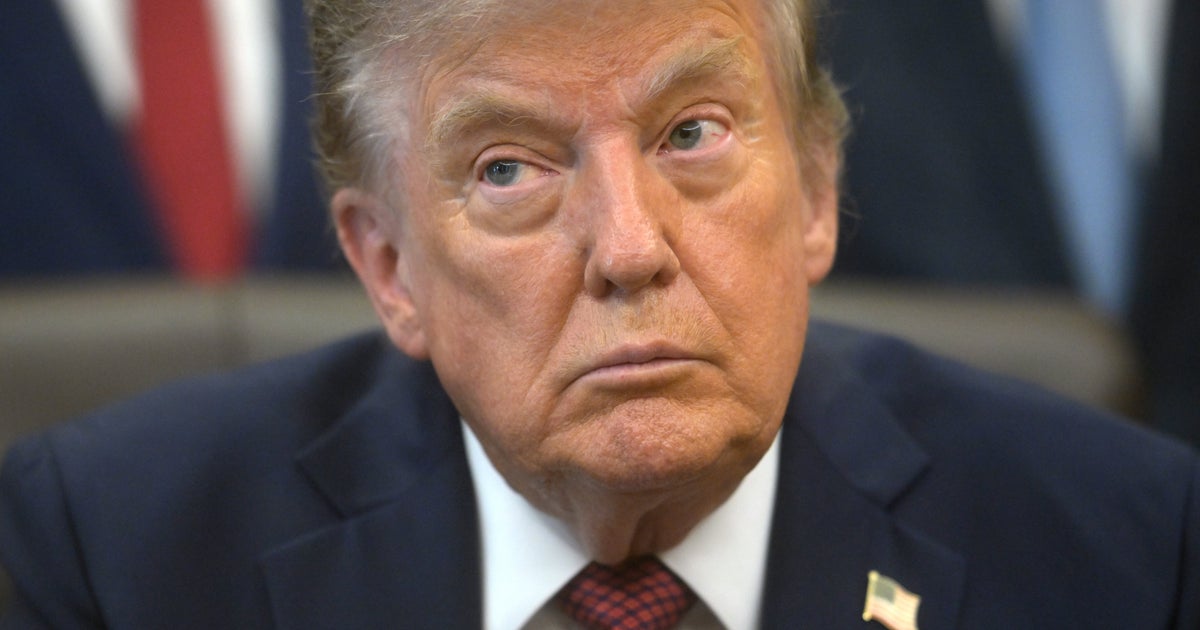
Further controversy dogged soccer officials over disciplinary decisions, particularly the reversal of an automatic one-match suspension for American forward Folarin Balogun. Following a direct public intervention and phone call from Donald Trump, FIFA cleared Balogun to play in a crucial knockout fixture against Belgium. Infantino brushed off the uproar by comparing the overturned ruling to routine disciplinary practices accepted across top-flight domestic leagues globally. Additional officiating complaints arose from Egypt manager Hossam Hassan regarding refereeing decisions during Argentina's knockout victory over Egypt.
The intersection of political pressure and athletic governance continues to draw intense scrutiny from analysts and supporters worldwide. As global bodies navigate these diplomatic hurdles, domestic security and international diplomacy remain fragile. Observers following the aftermath of the Seattle festival tragedy, oil market fluctuations, and ongoing fallout from international tournament governance can consult further updates through our dedicated Sports coverage.
What to Watch Next
- Ongoing police searches and court proceedings regarding the outstanding suspect in the Seattle festival shooting.
- Potential diplomatic developments in the U.S.–Iran conflict following the weekend pause in military strikes.
- Further institutional responses from human rights watchdogs regarding international sports administration and governance standards.
Archypedia is dedicated to independent, evidence-backed reporting. This briefing was synthesized from primary source reporting, corroborated across independent newsrooms, and verified against our Editorial Standards.
Transparency record
Evidence behind this report
This report synthesizes 4 distinct sources. Open the source ledger below to compare the underlying coverage.
Prepared under the Archypedia Editorial Policy by the Rafael Ortega editorial desk profile. AI-assisted tools may support drafting and verification; public accountability remains with Archypedia. Report an error.