Argentina and Spain World Cup final halftime show exceeds planned duration
The 2026 FIFA World Cup final featured a 27-minute and 27-second halftime break caused by a complex musical production held at MetLife Stadium.

The 2026 FIFA World Cup final between Argentina and Spain, played at MetLife Stadium in New Jersey on Sunday, 19 July 2026, concluded with a notable deviation from standard match operations. While FIFA regulations typically maintain a 15-minute interval between halves, the halftime break during this championship match lasted exactly 27 minutes and 27 seconds. The extension occurred as organizers attempted to integrate a musical production modeled after a Super Bowl-style halftime show.
Planning for the event had remained fluid leading up to the final. Early reports had suggested the possibility of a 30-minute interval, though FIFA and show producers later aimed for a tighter schedule. FIFA had targeted a total break duration of no more than 20 minutes, with the musical performance itself intended to occupy an 11-minute window. Executive producer Guy Carrington addressed the preparation process prior to the match, noting the complexity involved in coordinating the various artists.
Related media

"Obviously I'm not going to give anything away on the performance itself, but we've spent months and months preparing this, developing it and working with all of the artists. It's a carefully curated performance that's going to be spectacular."
Guy Carrington, executive producer, via The Hollywood Reporter
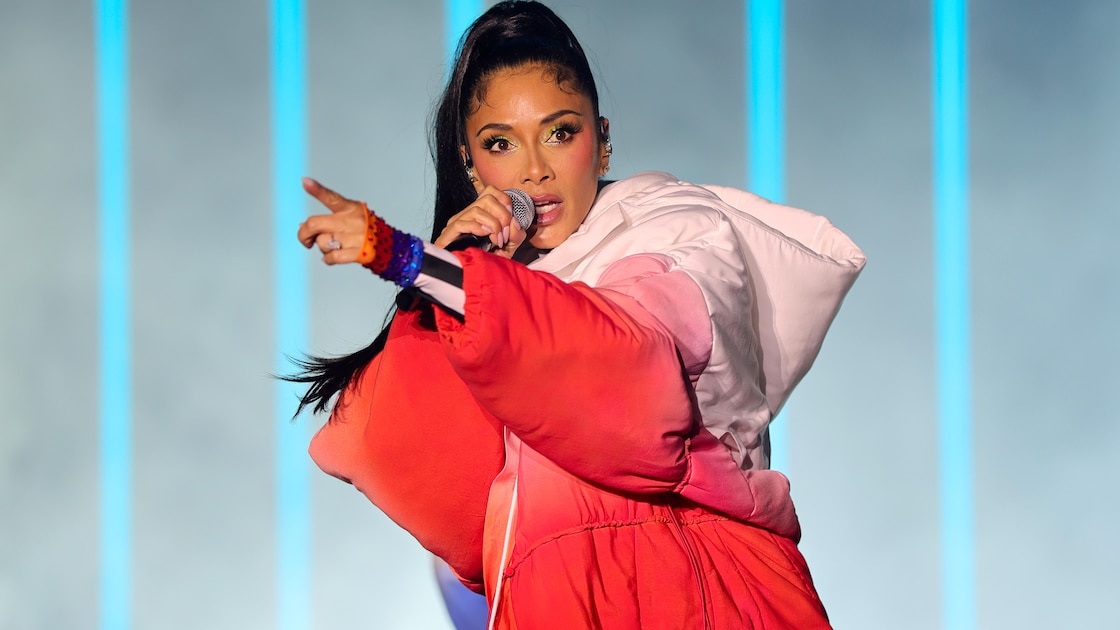
The performance featured a high-profile lineup, with the set curated by Chris Martin of Coldplay. Martin performed alongside the PS22 Chorus, while the headline acts included Madonna, Shakira, Justin Bieber, and BTS. The production also incorporated appearances from characters associated with The Muppets and stars of the television series Ted Lasso. The scale and congestion of this rotation of performers contributed to the delay, resulting in the teams remaining off the pitch for more than seven minutes longer than the maximum target set by officials.
The 2026 tournament concludes as the organization looks toward the 2030 FIFA World Cup, which is scheduled to take place from June 8, 2030, to July 21, 2030. This upcoming event will mark the centenary of the first World Cup and will be the first edition of the tournament played across three continents. Morocco, Portugal, and Spain were officially ratified as co-hosts on Dec. 11, 2024. Due to the expansive nature of the multi-continental logistics, the tournament is expected to span 44 days, making it the longest World Cup in history.
FIFA continues to oversee the infrastructure requirements for the 2030 cycle. The tournament is expected to utilize 21 stadiums across 18 cities in six countries, including celebratory matches in Argentina, Paraguay, and Uruguay to honor the 1930 tournament. While the bidding and ratification processes are complete, the official list of host sites remains subject to formal approval, with a deadline set for December 2026. The location for the 2030 World Cup final has not yet been awarded, and while official tournament locations must be submitted and approved by the December 2026 deadline, a final decision on the championship venue may be announced at a later time.
| Event Type | Standard Duration | 2026 Final Actual |
|---|---|---|
| Typical World Cup Halftime | 15 minutes | N/A |
| Planned 2026 Final Halftime | 20 minutes (max) | N/A |
| Actual 2026 Final Halftime | N/A | 27 minutes 27 seconds |
What to watch next:
- The official approval of host sites for the 2030 FIFA World Cup, pending the December 2026 deadline.
- The eventual announcement of the 2030 World Cup final venue, which remains pending.
Archypedia is dedicated to independent, evidence-backed reporting. This briefing was synthesized from primary source reporting, corroborated across independent newsrooms, and verified against our Editorial Standards.
Transparency record
Evidence behind this report
This report synthesizes 4 distinct sources. Open the source ledger below to compare the underlying coverage.
Prepared under the Archypedia Editorial Policy by the Rafael Ortega editorial desk profile. AI-assisted tools may support drafting and verification; public accountability remains with Archypedia. Report an error.


