
Stellantis, the European automotive giant, has begun testing solid-state battery technology for electric vehicles, marking a pivotal step in the race to improve energy density and reduce charging times, according to multiple reports. The development comes as a U.S. engineering team claims to have achieved the first flight of an electric aircraft using solid-state batteries, though details remain unverified.
The company’s efforts align with broader industry momentum toward solid-state batteries, which promise higher safety and efficiency compared to conventional lithium-ion cells. However, conflicting reports highlight the uncertainty surrounding the technology’s commercial viability. A Vietnamese outlet cited claims of batteries capable of 10-minute charging and 600 km ranges, while other sources describe technical hurdles that could delay mass production.
Solid-State Battery Breakthroughs
Stellantis’ testing of solid-state batteries underscores the technology’s potential to reshape the electric vehicle (EV) market. Unlike traditional lithium-ion batteries, which use liquid electrolytes, solid-state designs replace these with solid materials, theoretically enabling faster charging and longer ranges. The company’s initiative follows a 2023 announcement by a U.S. research group, which stated it had conducted the first successful flight of an electric plane using solid-state batteries. However, the claim lacks independent verification, and details about the aircraft’s specifications remain unclear.
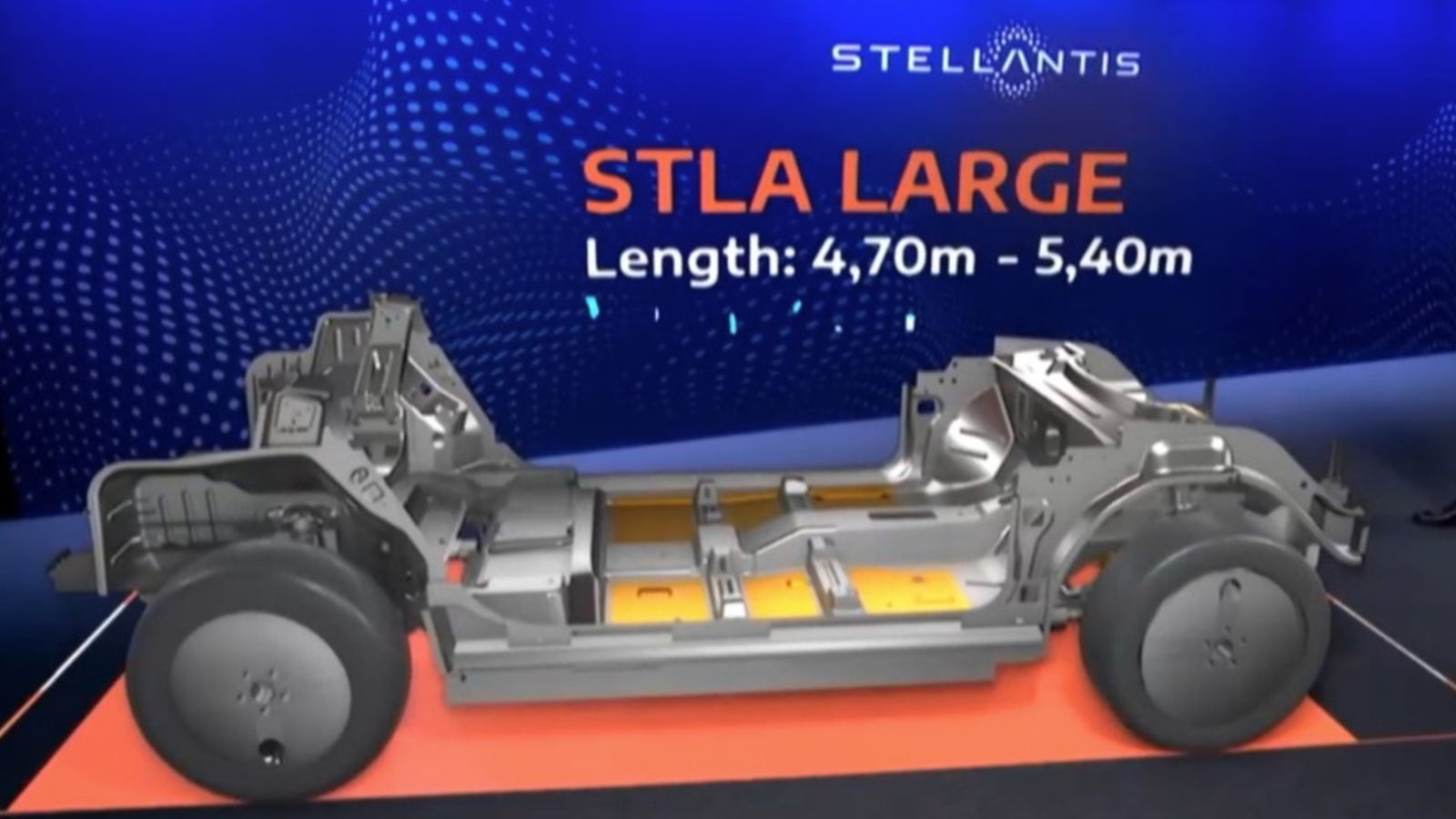
Meanwhile, reports from Eastern European media outlets suggest that the first mass-produced solid-state battery vehicle will originate in the West rather than China, a shift that could disrupt existing supply chain dynamics. Analysts note that while Chinese manufacturers have dominated EV battery production, Western automakers are accelerating R&D to close the gap.
Market Implications and Challenges
The adoption of solid-state batteries could significantly lower EV costs and increase consumer adoption by addressing range anxiety and charging infrastructure limitations. However, scaling production remains a critical challenge. Industry experts estimate that commercial deployment of solid-state batteries is at least five years away, with current prototypes facing issues related to durability and manufacturing complexity.
Investors are closely monitoring the progress of companies like Stellantis, which has allocated €500 million to battery innovation in 2024. The company’s CEO emphasized in a recent statement that “solid-state technology is a cornerstone of our long-term strategy to achieve carbon neutrality by 2035.”

Contradictory claims about battery performance, such as the 10-minute charging and 600 km range reported by a Vietnamese outlet, highlight the need for independent testing. Regulatory bodies and third-party labs are expected to play a key role in validating these advancements before they reach the market.
The race to commercialize solid-state batteries reflects broader trends in the automotive and energy sectors, where innovation is driven by both environmental pressures and competitive dynamics. As startups and established players alike invest heavily in the technology, the next few years will determine whether solid-state batteries become a mainstream solution or remain a niche breakthrough.
The outcome could reshape global EV markets, influencing everything from consumer purchasing decisions to geopolitical trade flows. For now, the technology remains in a critical phase of development, with stakeholders balancing optimism about its potential against the realities of engineering and commercialization challenges.
