
Grim update on Australian mum fighting for life after shark attack – NZ Herald
An Australian mother remains in critical condition and is fighting for her life after a shark attack at Coogee Beach in Sydney left her with the loss of an arm. According to reports from the NZ Herald and News.com.au, medical updates on the victim have been described as grim and tragic as she remains under intensive care.
What happened during the Coogee Beach shark attack?
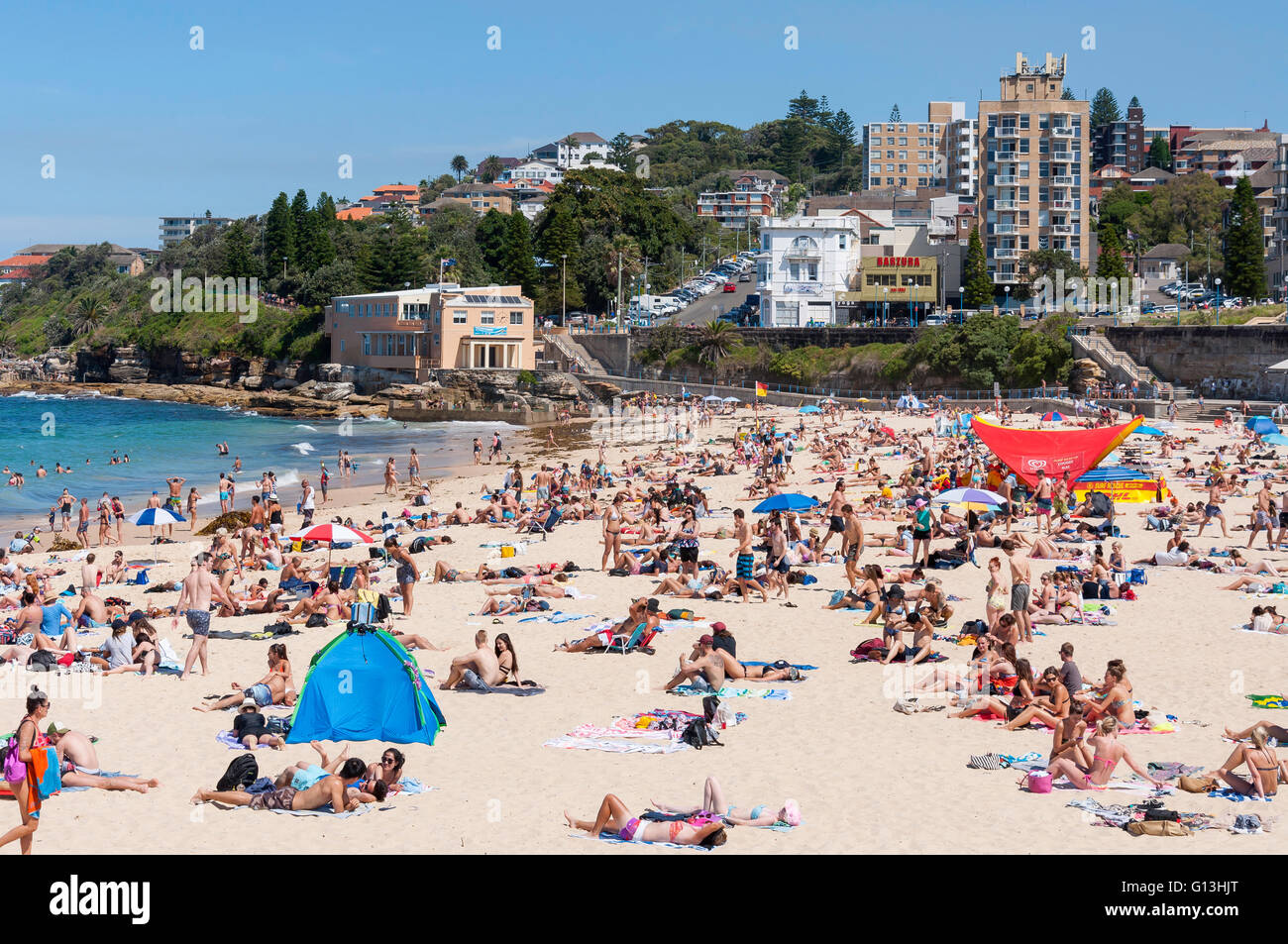
The incident occurred at Coogee Beach, a popular swimming destination in Sydney, where a woman was bitten by a shark while in the water. The attack resulted in catastrophic injuries, most notably the loss of the woman’s arm. Emergency services responded to the scene, and the victim was transported to a hospital in critical condition.
A bystander played a critical role in the immediate aftermath of the attack. According to RNZ, a man who witnessed the event rushed into the water to rescue the woman, providing vital assistance before professional paramedics arrived. The rescue effort was immediate, focusing on stabilizing the victim and controlling severe bleeding caused by the limb loss.
Key details of the event include:
- Location: Coogee Beach, Sydney, Australia.
- Victim: An Australian mother.
- Primary Injury: Loss of an arm; life-threatening blood loss.
- Immediate Response: Rescue by a civilian bystander followed by emergency medical services.
Why is the medical update described as grim?
The description of a “grim update” stems from the severity of the injuries and the ongoing struggle for survival. News.com.au characterized the situation as a “tragic update,” indicating that the victim’s condition remains precarious despite surgical interventions. The loss of a limb combined with the systemic trauma of a shark attack often leads to complicated recovery paths, including the risk of infection and organ failure due to blood loss.
The victim’s family has expressed profound distress over the situation. According to 1News, the family is “shocked and devastated” by the attack and the subsequent medical reports. The emotional toll on the family is compounded by the victim’s role as a mother, adding a layer of personal tragedy to the medical crisis.
“Family of Sydney shark attack victim ‘shocked and devastated'” — 1News
How is the attack impacting shark surveillance policy?
The severity of this attack has sparked an immediate political and safety review regarding how Sydney’s beaches are monitored. Specifically, the incident has brought the ban on shark-spotting drones back into public and legislative focus. According to The Times, officials are now reviewing the ban on these drones following the tragedy where a mother lost her arm.
Shark-spotting drones are used to provide a bird’s-eye view of the coastline, allowing lifeguards to identify large predators in the water and warn swimmers before an encounter occurs. Proponents of the technology argue that aerial surveillance is significantly more effective than ground-based spotting. The current review aims to determine if the ban on such devices contributed to the lack of early warning at Coogee Beach.
| Surveillance Method | Capability | Current Status/Issue |
|---|---|---|
| Ground Spotting | Human sight from towers/beach | Limited by glare and water surface |
| Shark-Spotting Drones | High-resolution aerial imaging | Under review after Coogee attack (The Times) |
| Netting/Barriers | Physical deterrence | Ecological concerns and maintenance costs |
The role of the rescuer at Coogee Beach
While the medical updates remain grim, the actions of a local man have been highlighted as a pivotal moment in the timeline. As reported by RNZ, the man who rescued the woman did not hesitate to enter the water despite the presence of a predator. This immediate intervention is often the deciding factor in shark attack survival, as rapid pressure application to wounds can prevent fatal exsanguination.
The rescuer’s testimony provides a glimpse into the chaos of the event, emphasizing the speed of the attack and the urgency of the rescue. His actions underscore the importance of bystander first aid in maritime emergencies.
For more on beach safety, see our related explainer on shark encounter protocols.
Comparing the reporting across news outlets
Different media outlets have emphasized different facets of this tragedy, providing a broader picture of the event’s impact:
- NZ Herald and News.com.au: Focused heavily on the “grim” and “tragic” nature of the medical updates, centering the narrative on the victim’s fight for survival.
- RNZ: Provided a human-interest angle by focusing on the bravery of the man who performed the rescue.
- The Times: Shifted the focus toward systemic failure and policy, highlighting the review of the drone ban.
- 1News: Focused on the emotional devastation of the victim’s family.
This variance in reporting shows that the event is being viewed not just as a medical emergency, but as a catalyst for safety reform and a story of individual heroism.
Common misconceptions about shark attacks in Sydney
In the wake of reports like the “grim update on Australian mum fighting for life after shark attack – NZ Herald,” public fear often increases. However, safety experts frequently clarify several points regarding these incidents:
Are shark attacks becoming more common?
While high-profile attacks receive significant media coverage, statistical data usually shows that shark encounters remain rare. However, changes in ocean temperatures and prey migration patterns can occasionally lead to sharks entering shallower swimming zones.
Does the drone ban make beaches unsafe?
Drones do not prevent sharks from entering the water, but they do provide early warnings. The debate reported by The Times is not about whether drones make the water “safe,” but whether they provide a critical window of time to clear the beach, potentially preventing injuries like the one suffered at Coogee.
Should swimmers avoid Coogee Beach?
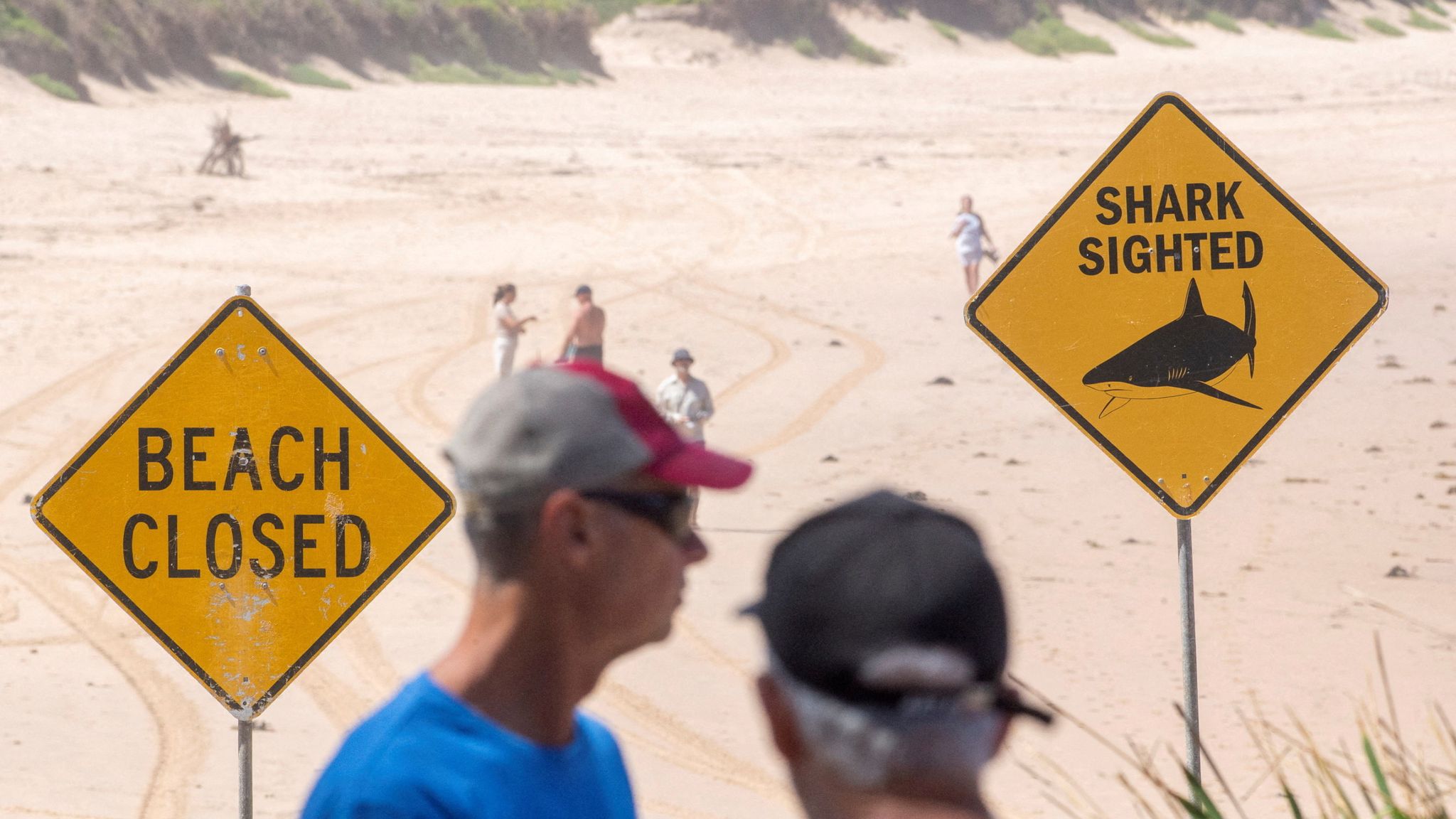
Local authorities typically monitor beaches and issue warnings if shark activity is sighted. While the recent attack is devastating, authorities generally advise following the flags and listening to lifeguard instructions rather than avoiding the beach entirely.

FAQ: Understanding the Coogee Beach Shark Attack
What is the current condition of the Australian mother?
According to the NZ Herald and News.com.au, her condition is critical, and updates have been described as “grim” and “tragic.” She is currently fighting for her life after losing an arm in the attack.
Where did the shark attack take place?
The attack occurred at Coogee Beach in Sydney, Australia.
What is the “drone ban” mentioned in the news?
As reported by The Times, there has been a ban on certain shark-spotting drones. This ban is now being reviewed to see if aerial surveillance could have prevented the attack or provided an earlier warning to swimmers.
Who rescued the victim from the water?
A man who was at the beach witnessed the attack and rushed into the water to save the woman, according to RNZ.
How has the family reacted to the news?
According to 1News, the family of the victim is “shocked and devastated” by the incident and the severity of her injuries.
For further information on maritime safety, you may find our guide to Australian beach safety warnings useful.
