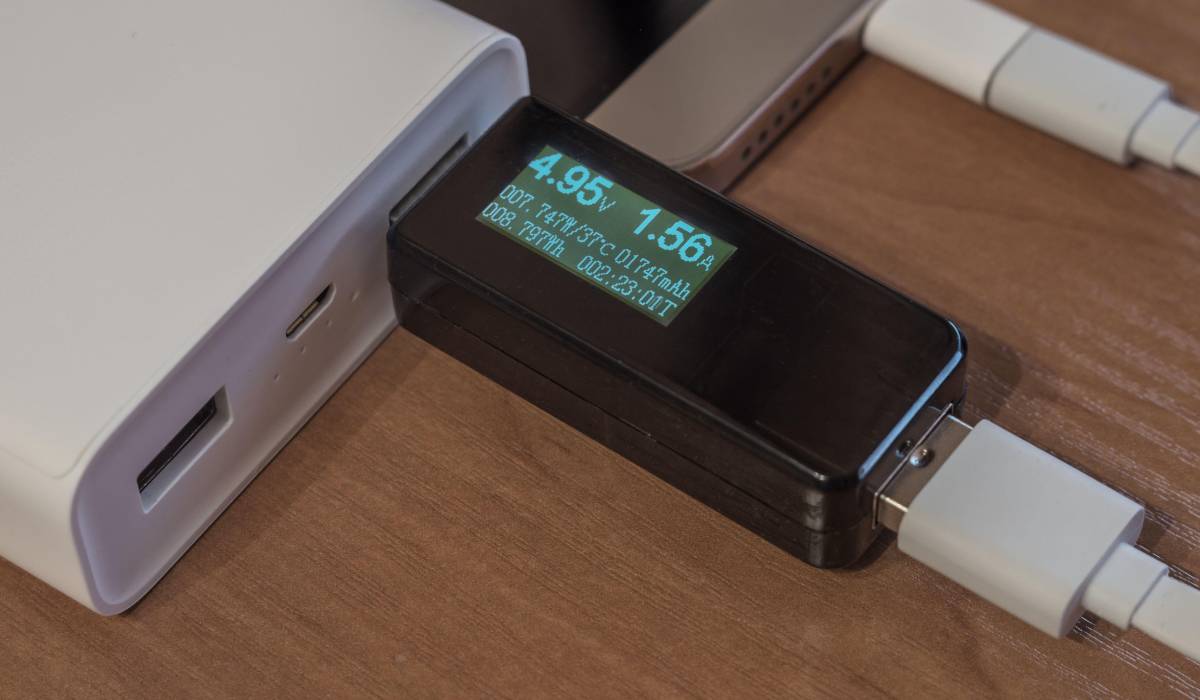
Solid-state battery technology is targeting full commercialization by 2030, according to industry roadmaps cited by Vietnam.vn. This transition from liquid to solid electrolytes aims to increase energy density and safety, though high production costs and technical contradictions currently limit mass-market deployment in electronics and aviation.
- Commercialization Goal: Full market availability projected by 2030.
- Intermediate Tech: Semi-solid-state batteries are emerging as a bridge to full solid-state systems.
- Industry Friction: Conflicting reports on electric aviation milestones and fraud allegations against specific developers.
Why are solid-state batteries facing commercial delays?
High production costs remain the primary barrier to the mass adoption of solid-state cells. According to reports from Vietnam.vn, the industry is following a roadmap that pushes widespread commercialization to 2030. These batteries replace the flammable liquid electrolyte found in traditional lithium-ion batteries with a solid material, which theoretically allows for higher energy capacity and reduced fire risk.
How do semi-solid-state batteries change portable power?
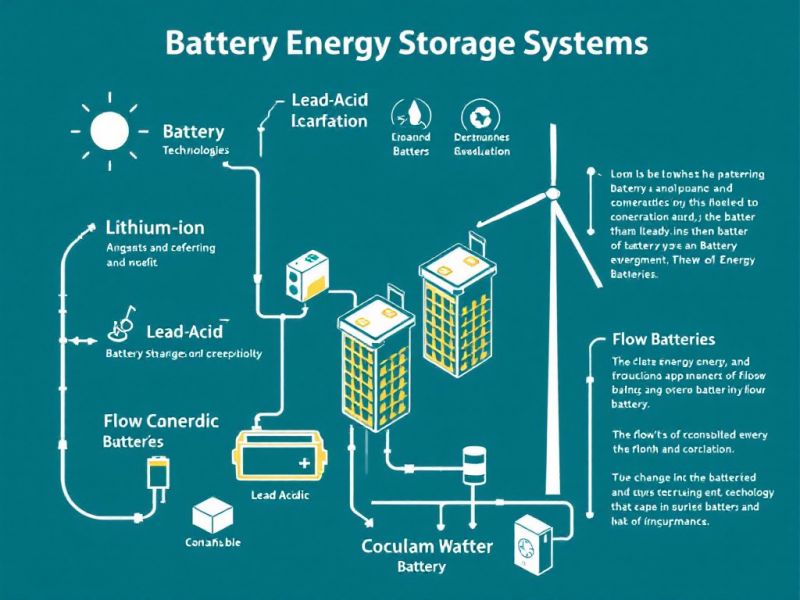
Manufacturers are increasingly utilizing semi-solid-state technology as a transitional phase. According to Libertatea, these batteries offer a middle ground between traditional liquid electrolytes and full solid-state systems, providing several advantages in stability and energy density while remaining more cost-effective to produce.
This shift is expected to impact the consumer electronics market directly. Vietnam.vn reports that portable external batteries are positioned for a “complete transformation” as these new chemistries allow for smaller form factors and longer lifespans for mobile power banks.
Which aviation and industry claims are under scrutiny?
The transition to solid-state power has been marked by contradictory claims in the aerospace sector. A team of engineers in the United States claims to have completed the first flight of an electric aircraft powered by solid-state batteries, but PiataAuto.md reports that the supporting information remains inconsistent.
This skepticism extends to other developers in the space. PiataAuto.md notes that a YouTuber conducted an investigation into Donut Lab, using internal sources to analyze the company’s solid-state battery claims. The investigation concluded that the technology presented by Donut Lab was a fraud.
