
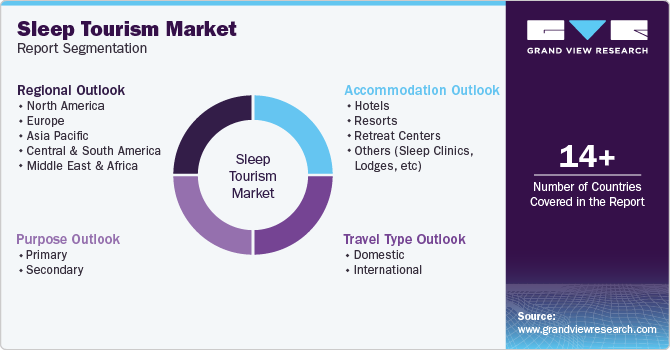
The traditional concept of a vacation—filled with sightseeing, excursions and packed itineraries—is being challenged by a growing trend known as sleep tourism. Driven by a global surge in burnout and chronic sleep deprivation, this niche market transforms the act of resting into the primary objective of travel, utilizing environmental engineering and sleep science to help guests recover lost sleep.
- Core Objective: Shifting the vacation focus from activity to biological recovery and sleep optimization.
- Technical Integration: Use of circadian lighting, temperature-controlled environments, and biometric tracking.
- Expert Guidance: Integration of sleep coaches and specialists to analyze sleep patterns and provide personalized protocols.
- Market Driver: A systemic increase in insomnia and stress-related sleep disorders among professional demographics.
The Engineering of Optimized Rest
Unlike standard luxury hotel stays, sleep tourism focuses on the technical manipulation of the sleep environment to maximize sleep quality. This involves a combination of circadian rhythm optimization and sensory control. Establishments are implementing specialized lighting systems that mimic the natural progression of sunlight to regulate melatonin production, alongside acoustic engineering designed to eliminate disruptive ambient noise.
The hardware used in these experiences often extends beyond high-thread-count sheets. Many sleep-centric retreats deploy advanced sleep technology, including mattresses with integrated temperature regulation and biometric sensors that monitor heart rate variability and respiratory patterns throughout the night. This data allows for real-time adjustments to the room’s climate and bedding firmness to prevent mid-night awakenings.
Data-Driven Recovery and Coaching
A critical component of the sleep tourism model is the transition from passive resting to active recovery. Many programs incorporate sleep specialists who use data from wearables and sleep trackers to identify specific disruptions in a guest’s sleep cycle. By analyzing stages of REM and deep sleep, these experts create tailored regimens that include specific wind-down rituals and dietary adjustments.
The goal is to move beyond a temporary “catch-up” sleep session and instead provide guests with a technical framework they can replicate at home. This involves teaching the biological triggers that signal the brain to enter a sleep state, effectively treating the vacation as a diagnostic and training period for the guest’s nervous system.
Addressing the Global Sleep Deficit
The rise of this trend reflects a broader societal shift toward viewing sleep as a performance metric and a health necessity rather than a luxury. According to local media reports, the demand is largely fueled by a workforce struggling with “revenge bedtime procrastination” and the blurring lines between professional and personal life caused by constant connectivity.
By commodifying sleep through a high-tech lens, the industry is positioning rest as a form of wellness optimization. This shift suggests that for a significant segment of the population, the most valuable luxury is no longer a destination or an experience, but the biological restoration of a regulated sleep-wake cycle.
