
Valve says it’s ready to launch the Steam Machine this summer – The Verge: A New Era for Living Room Gaming
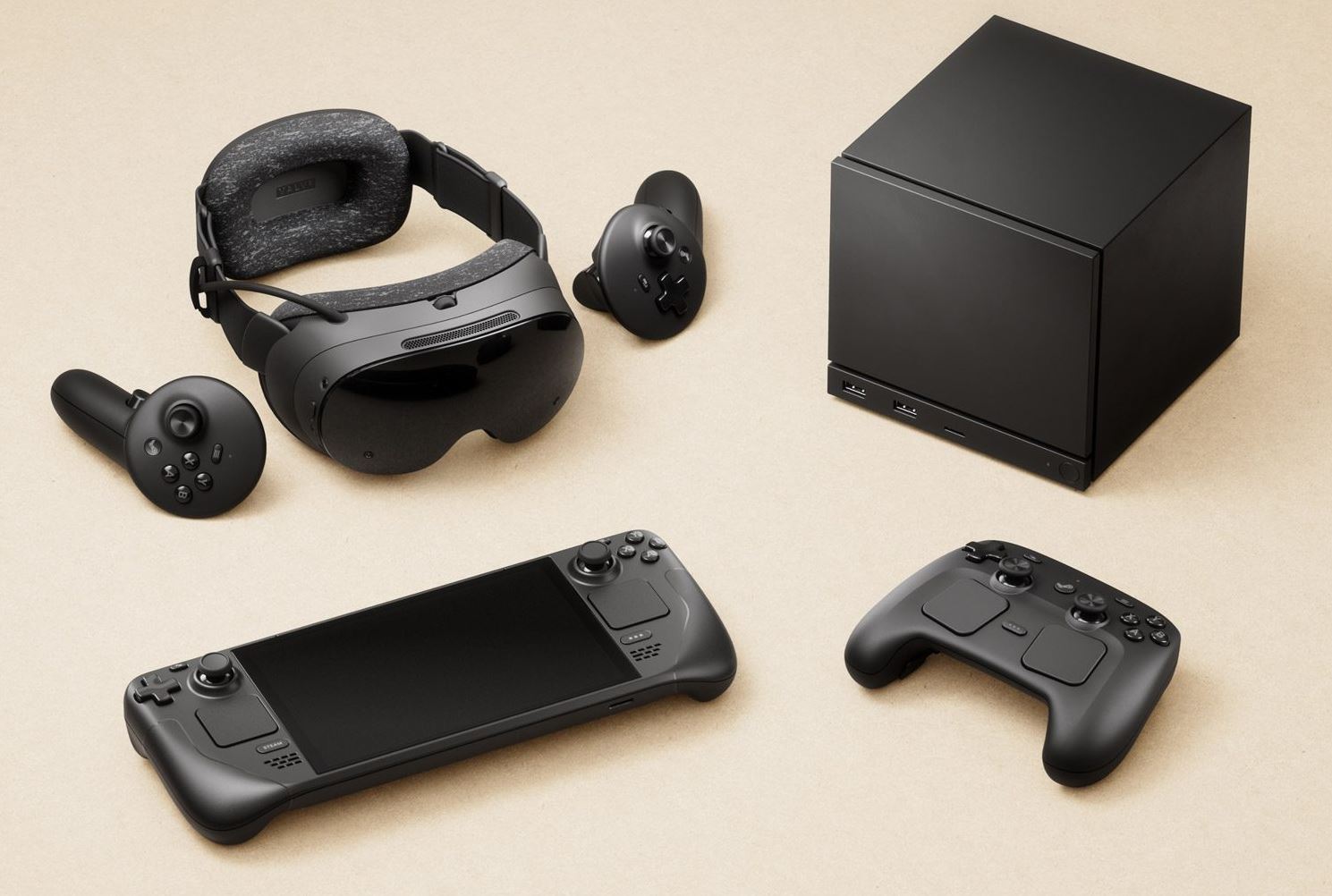
The gaming landscape is bracing for a significant shift as reports indicate that Valve is preparing to bring its vision of the living room PC to fruition. In a move that has sent ripples through the hardware community, Valve says it’s ready to launch the Steam Machine this summer – The Verge and other industry sources suggest that the company is finally poised to bridge the gap between high-end PC gaming and the convenience of a console experience. This isn’t merely a product launch; it is a strategic attempt to reclaim the television screen, leveraging the massive success of the Steam Deck to create a cohesive, home-based ecosystem.
For years, the “console war” has been a binary struggle between Sony and Microsoft. However, Valve’s reentry into the hardware space—specifically with a dedicated home machine and the mysterious “Steam Frame”—suggests a third path: an open-platform powerhouse that brings the flexibility of Windows and Linux gaming to the couch. As the industry watches closely, the evidence is mounting that Valve has solved the compatibility and user-experience hurdles that plagued its earlier attempts at home hardware.
Decoding the Announcement: What is the Steam Machine?
At its core, the Steam Machine is designed to be a “plug-and-play” PC. While the tech-savvy have always been able to build a “Home Theater PC” (HTPC), the average consumer finds the process of booting Windows, navigating a mouse-and-keyboard interface on a 65-inch screen, and managing driver updates to be a chore. Valve’s goal is to eliminate this friction.
The upcoming hardware is expected to run a highly optimized version of SteamOS, a Linux-based operating system that boots directly into the “Huge Picture” mode. This interface is specifically designed for controllers, making the experience indistinguishable from a PlayStation 5 or Xbox Series X, but with the vast library of the Steam store at its disposal.
The Mystery of the Steam Frame
Alongside the primary machine, whispers of a “Steam Frame” have emerged. While Valve has remained tight-lipped, industry analysts speculate that the Frame could take one of several forms:
- A High-End Docking Station: A sophisticated hub that allows Steam Deck users to transform their handheld into a full-fledged home console with expanded I/O ports and perhaps additional processing power.
- A Thin-Client Device: A low-power “frame” that streams games from a more powerful Steam Machine located elsewhere in the house or from the cloud.
- A Modular Chassis: A standardized frame that allows users to swap out internal components (GPU/CPU) more easily than a traditional laptop or console, extending the device’s lifespan.
“The transition from handheld success to living room dominance is the logical evolution for Valve. They have already proven that users trust their hardware curation with the Steam Deck; now, they are scaling that trust up to the big screen.”
The “Smoking Gun”: Backend Evidence and the Welcome Tour
While official marketing campaigns often lag behind technical readiness, the “digital fingerprints” left by Valve developers provide the most reliable clues. Recent discoveries within the Steam backend have revealed the addition of a “Welcome Tour” specifically tailored for new hardware.
In the world of software development, a “Welcome Tour” is typically one of the final pieces of a user-experience (UX) puzzle. It is the onboarding process that greets a user the first time they power on a device. The presence of this feature in the Steam code suggests that the software layer is complete and that Valve is now focusing on the “out-of-box experience” (OOBE). When combined with the reported “this summer” timeline, it becomes clear that the hardware is likely already in the final stages of certification or mass production.
Key Technical Milestones Leading to Launch
To understand why this launch is viable now when it wasn’t five years ago, we have to look at the technical evolution of the Steam ecosystem:
- Proton Compatibility Layer: The development of Proton (based on Wine) has been a game-changer. It allows Windows-based games to run on Linux with minimal performance loss. This removes the “library gap” that killed previous Linux gaming attempts.
- SteamOS 3.0: The software refined for the Steam Deck is far more stable and user-friendly than the original SteamOS, providing a blueprint for a seamless living room experience.
- Shader Pre-Caching: Valve has implemented sophisticated shader caching to eliminate the “stutter” often associated with Linux gaming, ensuring a smooth, console-like performance.
Why This Matters: The Strategic Pivot from Handheld to Home
The success of the Steam Deck changed the internal calculus at Valve. Previously, Valve acted primarily as a software storefront. The Deck proved that Valve could design, manufacture, and ship hardware that the market actually wanted. Now, the company is looking to create a “virtuous cycle” of hardware ownership.
If a user owns a Steam Deck for travel and a Steam Machine for the living room, their entire gaming life is tethered to the Steam ecosystem. This increases “platform stickiness,” making it less likely for users to migrate to competing stores or consoles. By controlling the hardware, Valve can optimize the software to a degree that is impossible on the fragmented landscape of general-purpose PCs.
Comparing the Ecosystems: Steam Machine vs. Traditional Consoles
To better understand the market positioning, let’s look at how the Steam Machine differs from the current console titans.
| Feature | Traditional Consoles (PS5/Xbox) | Valve Steam Machine (Expected) | Steam Deck |
|---|---|---|---|
| OS: | Closed/Proprietary | Open-ish (Linux/SteamOS) | SteamOS (Linux) |
| Game Library: | Curated/First-Party Focused | Open Steam Library (Thousands of titles) | Open Steam Library |
| Hardware: | Fixed for Generation | Potential for Modularity/Upgrades | Fixed Handheld |
| Input: | Proprietary Controllers | Universal Controller Support | Integrated Controls |
| Primary Use: | Living Room | Living Room / Home Theater | On-the-go / Portable |
Industry Implications and Market Reactions
The potential launch of a Steam Machine creates a complex set of challenges for other industry players. For NVIDIA and AMD, it represents a massive opportunity for chip sales, as Valve will need high-performance APUs or GPUs to power these machines. For Sony and Microsoft, it introduces a competitor that doesn’t rely on “exclusive” titles to win, but rather on the sheer volume and variety of the Steam catalog.

The “Open Hardware” Philosophy
One of the most intriguing aspects of Valve’s approach is its history of openness. While the Steam Machine will be a curated product, Valve has often encouraged the community to tinker. There is a strong possibility that the Steam Machine will be more “open” than a PlayStation, perhaps allowing users to install different Linux distributions or even Windows, should they choose. This appeals to the “prosumer” market—people who want the convenience of a console but the power and freedom of a PC.
This approach could disrupt the traditional console cycle. Instead of waiting seven years for a “Pro” version of a console, a Steam Machine ecosystem could potentially allow for more frequent, modular hardware refreshes. This would represent a fundamental shift in how gaming hardware is consumed.
Potential Roadblocks and Misconceptions
Despite the hype, some critics argue that the Steam Machine is redundant. “Why buy a Steam Machine when you can just plug a Steam Deck into a dock?” they ask. This represents a common oversimplification. The Steam Deck is designed for power efficiency and portability, meaning it cannot compete with the raw graphical fidelity of a dedicated home machine. A Steam Machine would likely target 4K resolution and high refresh rates—specs that would melt a handheld’s battery in minutes.
Another concern is the “fragmentation” of the Linux gaming experience. While Proton is incredible, it isn’t perfect. Some games with aggressive anti-cheat software (like certain competitive shooters) still struggle on Linux. For the Steam Machine to truly succeed, Valve needs to work closely with developers to ensure 100% compatibility for the most popular titles.
The Path Forward: What to Expect This Summer
As we move toward the summer launch window, the focus will shift from leaks to official specifications. The gaming community is particularly interested in whether Valve will partner with third-party OEMs (Original Equipment Manufacturers) to produce various tiers of Steam Machines—similar to how they attempted in 2015—or if they will keep production in-house to ensure a consistent quality standard, as they did with the Steam Deck.
If Valve follows the Steam Deck playbook, we can expect a “Value” model and a “Performance” model. The Value model would likely target 1080p gaming, making it an affordable entry point for those moving away from consoles. The Performance model would likely aim for the enthusiast market, offering 4K capabilities and high-end ray tracing.
For those interested in the broader technical shift, it may be worth reading a related explainer on the evolution of Proton and Linux gaming to understand how the software foundation was built for this moment.
Key Points to Watch For:
- Price Point: Will Valve undercut the consoles to gain market share?
- The “Frame” Reveal: Will the Steam Frame be a standalone product or a bundle accessory?
- Exclusive Partnerships: Will Valve secure any “Steam-first” titles to drive hardware sales?
- Integration: How seamlessly will the Steam Machine sync save data and settings with the Steam Deck?
Common Questions About the Steam Machine Launch
Will the Steam Machine replace the Steam Deck?
No. The two devices serve different purposes. The Steam Deck is for portable, handheld gaming, while the Steam Machine is designed as a high-performance centerpiece for the living room. They are intended to complement each other within the same ecosystem.
Can I use my existing Steam library on the new hardware?
Yes. The primary draw of the Steam Machine is that it provides access to your existing Steam library. Thanks to Steam Cloud and Proton, your games and save files should transition seamlessly between your PC, Deck, and the new Machine.
Will it run Windows?
While the device is expected to ship with SteamOS (Linux), Valve’s history suggests they may leave the bootloader open, potentially allowing advanced users to install Windows. However, the “out-of-the-box” experience will be focused on the optimized SteamOS.
What is the “Steam Frame” exactly?
Official details are scarce, but it is widely believed to be either a high-end docking station for the Steam Deck or a specialized hardware shell that enhances the connectivity and power delivery of the Steam ecosystem in a home setting.
When is the official release date?
While a specific date hasn’t been announced, current indicators and reports suggest a launch window of “this summer.”
The move by Valve to re-enter the living room represents more than just a new piece of hardware; it is a test of whether an open-platform philosophy can survive and thrive in a market dominated by closed-walled gardens. By combining the portability of the Deck with the power of a dedicated home machine, Valve is not just selling a console—they are selling a lifestyle of gaming freedom. As the summer approaches, the industry will find out if the world is ready to trade their traditional consoles for the versatility of the Steam ecosystem.
