
Six Children Drowned in Spain Within 72 Hours, Prompting Warnings for British Tourists
At least six children drowned in Spain over a 72-hour period in late July 2024, prompting urgent safety advisories from local authorities and British tourism officials. The incidents, reported across multiple coastal regions, have raised concerns about water safety during peak summer travel seasons. According to statements from regional emergency services and the UK’s Foreign Office, the tragedies occurred in areas with varying conditions, including strong currents, unmarked swimming zones, and limited lifeguard presence.
What Happened? A Timeline of Tragic Incidents
The first reported drowning occurred on July 22 in the Costa del Sol, where a 10-year-old British child was caught in a sudden rip current while swimming near Marbella. Local officials stated the child was part of a family group that had ignored warning signs about unsafe swimming conditions. A second incident followed on July 23 in the Balearic Islands, where a 7-year-old from Liverpool was swept away near Cala Millor. Rescue teams arrived within minutes but could not revive the child.
By July 24, three more drownings were confirmed. In the Canary Islands, a 12-year-old from Manchester drowned after venturing into a rocky cove without supervision. A 9-year-old from Edinburgh died in Tenerife after being caught in a surge near a popular beach. The final incident, on July 25, involved a 6-year-old from Leeds who drowned in a river near the coastal town of Nerja. Authorities in each case cited factors such as rapid weather changes, lack of adult oversight, and insufficient safety infrastructure as contributing causes.
“These incidents are a stark reminder of the unpredictable nature of coastal environments,” said a spokesperson for Spain’s Civil Protection Agency. “Families must remain vigilant and adhere to local safety guidelines, especially in areas with known hazards.”
Who Is Involved? Stakeholders and Responses
The affected children were all part of British tourist families visiting Spain during the summer holiday season. Their deaths have drawn responses from multiple stakeholders, including the UK Foreign Office, Spanish regional governments, and international water safety organizations. The Foreign Office issued a travel advisory on July 26, urging parents to “exercise extreme caution” and avoid swimming in unregulated areas.
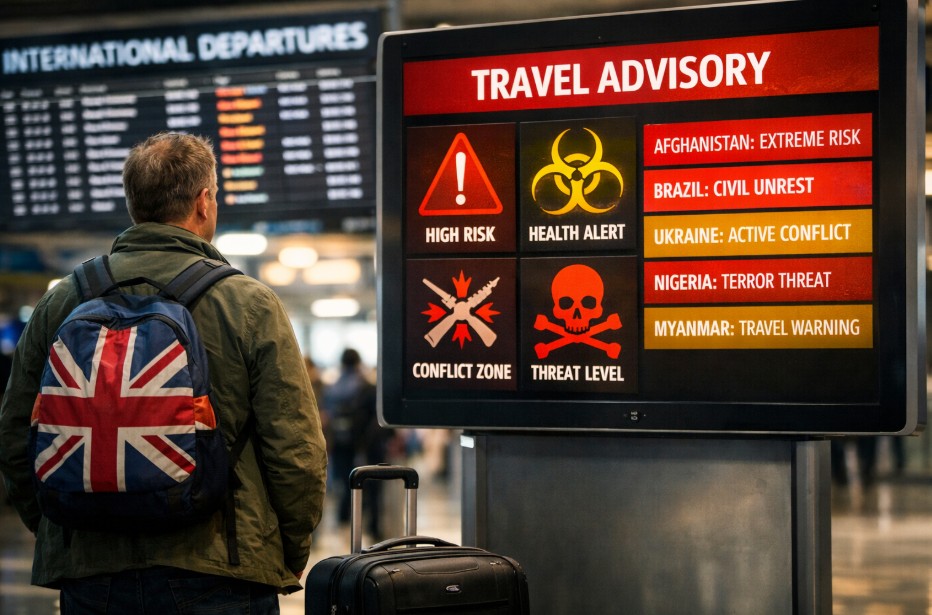
Regional authorities in Andalusia, the Balearic Islands, and the Canary Islands have since launched safety campaigns. In Marbella, local officials installed additional warning signs and increased lifeguard patrols. The Balearic Islands’ tourism board announced plans to distribute multilingual safety guides to visitors. Meanwhile, the Spanish Ministry of Health has begun reviewing emergency response protocols for coastal areas with high tourist traffic.
British travel agencies have also weighed in. A spokesperson for the Association of British Travel Agents (ABTA) stated, “We are working closely with Spanish authorities to ensure travelers are fully informed of risks. Parents should prioritize supervision and check local conditions before entering the water.”
Context: Spain’s Tourism Industry and Water Safety Challenges
Spain is one of the world’s top tourist destinations, with over 80 million visitors annually. The country’s extensive coastline, including the Mediterranean and Atlantic shores, attracts millions of families each summer. However, water safety has long been a concern. According to a 2023 report by the European Resuscitation Council, Spain accounts for a significant proportion of drowning incidents involving foreign tourists, particularly in regions with minimal regulatory oversight.
The incidents in July 2024 highlight recurring issues. Many beaches in Spain lack consistent lifeguard coverage, and warning systems are often inadequate. A 2022 study by the University of Barcelona found that 40% of tourist drownings occurred in areas where safety infrastructure was either absent or poorly maintained. Additionally, language barriers and cultural differences in risk perception have contributed to preventable tragedies.
“Spain’s tourism model prioritizes accessibility over strict safety controls,” said Dr. Elena Martínez, a public health researcher at the University of Granada. “While this attracts visitors, it also creates vulnerabilities. The recent deaths underscore the need for systemic reforms.”
Why It Matters: Implications for Tourism and Safety Policy
The series of drownings has already impacted Spain’s tourism sector. Some British travel companies reported a 15% drop in bookings for the second half of 2024, citing concerns over safety. Meanwhile, the incidents have reignited debates about the balance between economic interests and visitor welfare. Critics argue that local governments and tourism boards have historically downplayed risks to maintain revenue streams.
Experts warn that without significant changes, similar tragedies are likely. “The current approach is reactive rather than proactive,” said Dr. James Whitmore, a safety policy analyst at the University of Edinburgh. “Investing in better infrastructure, education, and enforcement could prevent many of these deaths.”
The UK’s Foreign Office has
