
Cambodia prepares for 75th UNESCO anniversary – Khmer Times
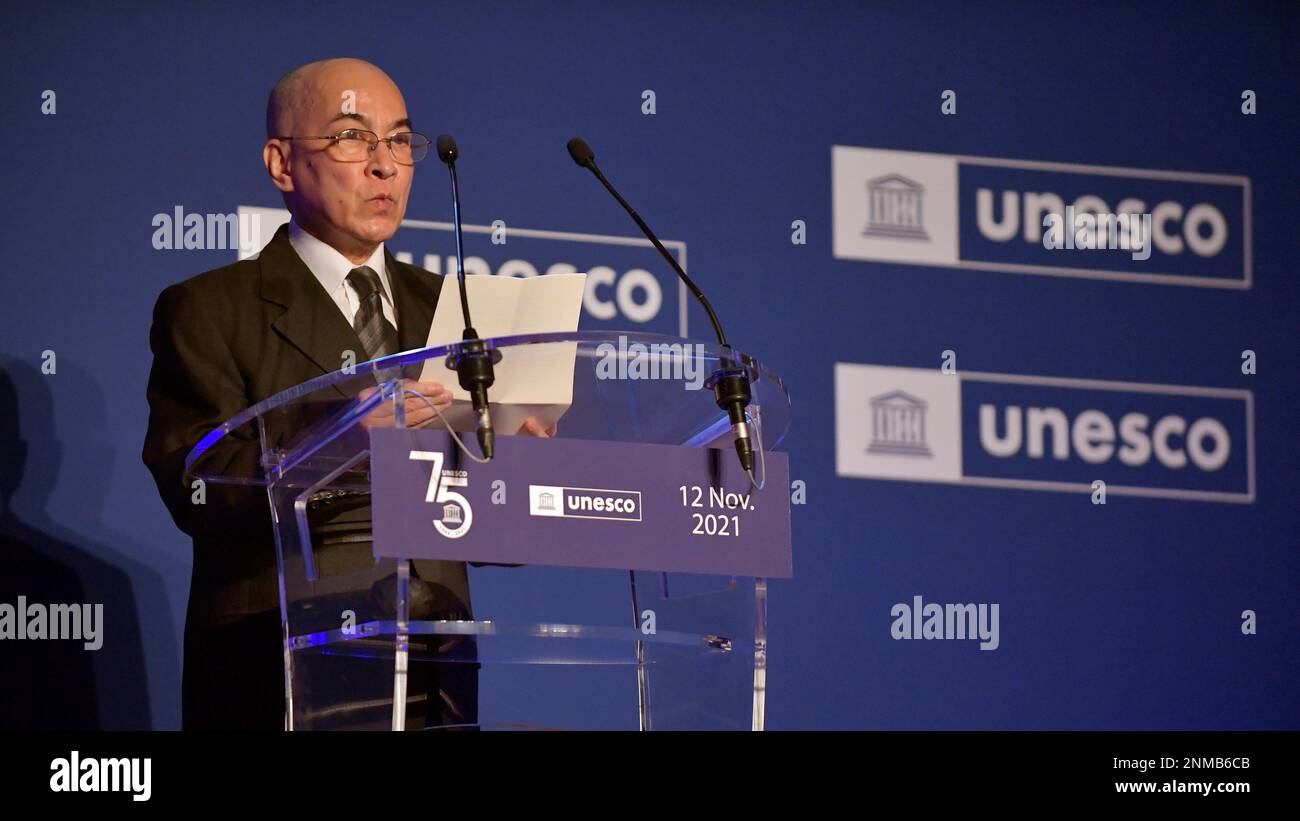
Cambodia is organizing celebrations and initiatives to mark the 75th anniversary of UNESCO, according to reporting from the Khmer Times. This milestone occurs as Southeast Asian nations strengthen their influence within the organization, highlighted by Indonesia’s election to the UNESCO Intangible Cultural Heritage Committee for the 2026-2030 term after a 12-year hiatus, per ANTARA News.
How is Cambodia marking the 75th UNESCO anniversary?
Cambodia is currently coordinating a series of events and preparatory measures to celebrate the 75th anniversary of the United Nations Educational, Scientific and Cultural Organization (UNESCO), according to the Khmer Times. While specific event schedules are still being finalized, the focus remains on highlighting the long-term partnership between the Kingdom and the international body.
The relationship between Cambodia and UNESCO is centered on the preservation of the country’s vast architectural and cultural legacy. The organization has played a critical role in the restoration and management of sites that define Cambodian national identity. By preparing for this anniversary, Cambodia aims to showcase the progress made in heritage conservation and the integration of these sites into the national economy through sustainable tourism.
Key areas of focus for the anniversary preparations include:
- Heritage Site Promotion: Increasing visibility for existing World Heritage sites.
- Educational Outreach: Using the anniversary to promote UNESCO’s pillars of education, science, and culture among the Cambodian youth.
- Diplomatic Engagement: Strengthening ties with other member states through shared cultural goals.
The 75th anniversary serves as a benchmark for Cambodia to evaluate its conservation strategies. Since the inscription of its first sites, the country has relied on UNESCO’s technical expertise to protect monuments from environmental decay and urban encroachment.
Why does Indonesia’s return to the UNESCO heritage committee matter?
Indonesia has secured a seat on the UNESCO heritage committee for the 2026-2030 term, ending a 12-year absence from the body, according to ANTARA News and Tempo.co English. This return signals a shift in Indonesia’s diplomatic priorities and a renewed commitment to global cultural governance.
The committee is responsible for evaluating nominations for World Heritage status and monitoring the condition of sites already on the list. For Indonesia, a country with a diverse array of natural and cultural landmarks, having a seat at the table allows for direct influence over the standards and criteria used to designate heritage sites globally.
According to reports from ANTARA News, the election to the Intangible Cultural Heritage Committee is particularly significant. Unlike physical monuments, intangible heritage encompasses traditions, oral histories, performing arts, and craftsmanship. This aligns with Indonesia’s strategic goal to protect its diverse ethnic traditions from erasure and to promote them on the world stage.
“RI elected to UNESCO Intangible Cultural Heritage Committee 2026-2030,” reports ANTARA News, highlighting the Republic of Indonesia’s successful bid to rejoin the governing structure of global culture.
The 12-year gap in representation meant that Indonesia had less direct input into the decision-making processes of the committee. Returning for the 2026-2030 cycle allows Jakarta to re-establish its leadership role in Southeast Asia’s cultural diplomacy.
What is the difference between World Heritage and Intangible Cultural Heritage committees?
The news regarding Cambodia’s anniversary and Indonesia’s election touches on two different aspects of UNESCO’s mandate. Understanding the distinction between these committees explains why Indonesia’s specific election to the Intangible Cultural Heritage Committee is a targeted diplomatic win.
The World Heritage Committee focuses on “tangible” heritage. This includes physical locations, such as the temples of Angkor in Cambodia or the Borobudur temple in Indonesia. These sites must meet specific criteria regarding “Outstanding Universal Value” to be listed. The committee decides which sites are added and which are placed on the “List of World Heritage in Danger.”
The Intangible Cultural Heritage Committee, where Indonesia has just secured a seat, deals with living expressions. This includes:
- Traditional dance and music.
- Social practices, rituals, and festive events.
- Knowledge and practices concerning nature and the universe.
- Traditional craftsmanship.
For a nation like Indonesia, which possesses a massive variety of regional languages and customs, the Intangible committee is the primary venue for protecting “living” culture. This is a different diplomatic challenge than managing a physical site; it requires the documentation of oral traditions and the support of local practitioners.
| Feature | World Heritage (Tangible) | Intangible Cultural Heritage |
|---|---|---|
| Focus | Physical sites, buildings, landscapes | Traditions, skills, oral histories |
| Example | Angkor Wat (Cambodia) | Wayang Puppet Theatre (Indonesia) |
| Goal | Physical preservation and conservation | Safeguarding practices and transmission |
| Recent News | Cambodia’s 75th UNESCO anniversary focus | Indonesia’s 2026-2030 committee seat |
How does this impact Southeast Asian cultural diplomacy?
The simultaneous focus on UNESCO milestones in Cambodia and committee wins in Indonesia suggests a broader trend of Southeast Asian nations leveraging cultural capital for international prestige. According to the reports from the Khmer Times and ANTARA News, both countries are treating their relationship with UNESCO not just as a matter of preservation, but as a tool for soft power.
When a country holds a seat on a UNESCO committee, it gains “voting power” and “agenda-setting power.” This means they can influence which other countries’ sites get recognized and how the international community defines “culture.” Indonesia’s return after 12 years suggests a desire to regain this influence.
Cambodia’s preparations for the 75th anniversary similarly serve a diplomatic purpose. By aligning itself with a major UNESCO milestone, Cambodia reinforces its image as a guardian of global history. This is essential for attracting foreign investment in tourism and securing international grants for the upkeep of its monuments.
This regional movement toward cultural diplomacy often involves:
- Competitive Inscriptions: Countries competing to have more sites listed to drive tourism.
- Collaborative Protection: Working together to prevent the illegal trafficking of antiquities across borders.
- Standard Setting: Defining what constitutes “authentic” heritage in a modernizing world.
The fact that Indonesia is returning to a committee specifically for intangible heritage may also be a response to regional disputes over the origins of certain cultural practices, which are common in Southeast Asia. By holding a seat on the committee, Indonesia can better advocate for its own cultural claims using the official UNESCO framework.
What are the challenges facing UNESCO sites in the region?
While the anniversary celebrations and committee elections provide a positive diplomatic veneer, the actual work of UNESCO in Southeast Asia faces significant hurdles. Experts and reports often point to the tension between tourism growth and site preservation.
In Cambodia, the pressure on sites like Angkor Wat is immense. The influx of millions of tourists annually provides the funding necessary for restoration but also causes physical wear and tear on the ancient stone. The preparations for the 75th anniversary mentioned by the Khmer Times likely include discussions on how to balance this growth with the strict conservation guidelines mandated by UNESCO.
Indonesia faces similar challenges. With a vast archipelago, monitoring the condition of remote heritage sites is logistically difficult. The return to the heritage committee for 2026-2030 will likely involve developing better monitoring systems and leveraging technology to track the state of its World Heritage sites.
Common misconceptions about UNESCO involvement include the belief that a “World Heritage” label is merely a tourist trophy. In reality, it comes with strict obligations. If a country fails to protect a site, UNESCO can place it on the “List of World Heritage in Danger,” which can be a diplomatic embarrassment and a signal to investors that the site is poorly managed.
The stakes for both Cambodia and Indonesia are high. A failure to maintain these standards would undermine the very prestige they are seeking through anniversary celebrations and committee seats.
What should observers watch for in the coming years?
As Cambodia moves toward the 75th UNESCO anniversary and Indonesia begins its term on the Intangible Cultural Heritage Committee in 2026, several key indicators will determine the success of these efforts.
First, observers should look for new nominations from Cambodia. The anniversary is a natural time to propose new sites for UNESCO recognition, which would expand the country’s cultural footprint. A related explainer on UNESCO nomination processes would provide more detail on how these bids are constructed.
Second, Indonesia’s activity within the committee between 2026 and 2030 will reveal its strategic priorities. Whether it focuses on expanding the list of Indonesian intangible traditions or pushes for new global standards in heritage protection will indicate Jakarta’s long-term cultural goals.
Third, the level of coordination between Southeast Asian nations within UNESCO will be telling. If Cambodia and Indonesia collaborate to promote a “regional block” of heritage sites, it could shift the balance of power away from Western-centric heritage definitions toward a more Asian-centered perspective on history and culture.
Finally, the actual events held for the 75th anniversary in Cambodia will signal the depth of the partnership. If the celebrations include significant new funding or technical agreements for site restoration, it will prove that the anniversary is more than just a symbolic gesture.
Frequently Asked Questions
What is the main reason Cambodia is preparing for the 75th UNESCO anniversary?
According to the Khmer Times, Cambodia is organizing preparations to mark the 75th anniversary of UNESCO to celebrate its long-standing partnership with the organization and to highlight the importance of heritage preservation in the Kingdom.
When will Indonesia rejoin the UNESCO heritage committee?
Indonesia has been elected to the UNESCO Intangible Cultural Heritage Committee for the term spanning 2026 to 2030, as reported by ANTARA News and Tempo.co.
How long has Indonesia been away from the UNESCO heritage committee?
Reports from ANTARA News indicate that Indonesia is returning to the committee after a 12-year absence.
What is the difference between the World Heritage and Intangible Cultural Heritage committees?
The World Heritage Committee manages physical sites and monuments (tangible heritage), while the Intangible Cultural Heritage Committee focuses on living traditions, performing arts, and oral histories (intangible heritage).
Why is the Intangible Cultural Heritage Committee important for Indonesia?
Because Indonesia has a vast and diverse array of ethnic traditions and customs, the Intangible committee provides a platform to safeguard these living expressions and promote them internationally.
