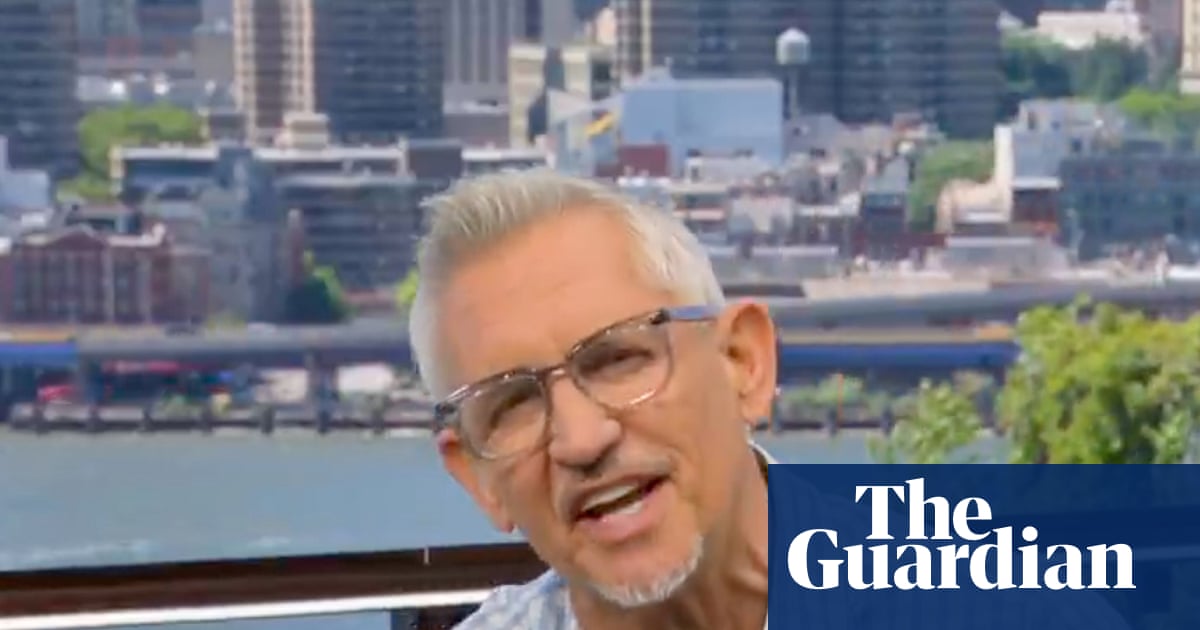
Gary Lineker Aims Dig at BBC During Shock World Cup Cameo for ITV
Gary Lineker made a surprise appearance on ITV’s World Cup coverage, using the platform to mock his primary employer, the BBC. According to reports from The Independent and Wales Online, the former England striker’s cameo featured immediate “trolls” directed at the public broadcaster, occurring seconds after he debuted on the rival network.
How Gary Lineker’s ITV Cameo Targeted the BBC
The appearance began with an immediate shift in tone. According to Wales Online, Lineker directed barbs at the BBC almost immediately upon joining the ITV broadcast. This “trolling” was not a subtle nod but a direct commentary on the rivalry between the two largest broadcasters in the United Kingdom during a major tournament.
The interaction was characterized by a mixture of professional rivalry and personal banter. The Guardian highlighted a specific moment of friction during the segment where the nature of the cameo was questioned, noting the phrase, “Gary, that’s my job,” was used to underscore the unexpected nature of Lineker stepping into a presenting role on a competing channel.
This crossover event is significant because Lineker is the face of the BBC’s football coverage. For a lead presenter to appear on a commercial rival’s broadcast—and explicitly mock the home institution—represents a departure from traditional broadcasting norms. The New York Times characterized the segment as a combination of “banter” and “BBC barbs,” suggesting the move served as a reminder of Lineker’s versatility and status in the industry.
“Gary, that’s my job.” — Quote attributed to the ITV production during Lineker’s cameo, as reported by The Guardian.
The Role of Laura Woods and the Broadcast Dynamic
The chemistry of the cameo relied heavily on the interaction between Lineker and ITV presenter Laura Woods. Wales Online reported that Woods interrupted Lineker during his debut, adding a layer of comedic tension to the segment. This dynamic served to frame the “dig” at the BBC as part of a scripted or semi-scripted entertainment piece rather than a formal defection.

The interaction between the two presenters highlighted the different styles of the two networks. While the BBC often adheres to a more formal, public-service tone, the ITV segment leaned into the “shock” value of the cameo. The interruption by Woods functioned as a narrative device to keep Lineker from dominating the space, mirroring the competitive tension between the two networks.
- The Setup: Lineker appears unexpectedly on the ITV set.
- The Conflict: Immediate jokes directed at the BBC’s coverage and standards.
- The Resolution: Collaborative banter with Laura Woods to maintain broadcast flow.
Analysis of Lineker’s “Incomprehensible” Decision and Harry Kane Claims
Beyond the promotional banter, the cameo provided a platform for Lineker to voice strong opinions on the England national team’s performance. According to FourFourTwo, Lineker did not hold back his frustrations, describing a specific tactical or managerial decision as “incomprehensible.”
This criticism was paired with a “bold claim” regarding Harry Kane. While the specific tactical nuance of the claim centered on Kane’s positioning and utility on the pitch, the delivery was described as “fuming.” This contrast—switching from lighthearted trolling of the BBC to intense tactical critique—demonstrated the dual nature of Lineker’s role as both an entertainer and a serious analyst.
The use of the word “incomprehensible” suggests a deep disagreement with the coaching staff’s approach. By voicing this on ITV, Lineker effectively bypassed the BBC’s editorial environment for a moment, allowing him to deliver a more unfiltered critique of the national team’s strategy.
Why the BBC-ITV Rivalry Matters in Sports Broadcasting
The tension between the BBC and ITV is a cornerstone of British sports media. Both organizations compete for the same audience and the same prestige during the World Cup and European Championships. Lineker’s ability to pivot between them, even for a brief cameo, highlights his unique position as a “free agent” personality despite his long-term association with the BBC.
Historically, the BBC has maintained a stricter image of impartiality and institutional dignity. ITV, as a commercial entity, often employs more aggressive, personality-driven marketing. Lineker’s “digs” at the BBC play into this dichotomy, positioning him as the rebellious figure within a rigid system.
| Reporting Outlet | Framing of the Event | Primary Focus |
|---|---|---|
| The Independent | Critical/Direct | The “dig” aimed at the BBC. |
| The Guardian | Professional/Observational | The shock of the presenting role theft. |
| The New York Times | Analytical/Cultural | The “King of the Box” persona and banter. |
| Wales Online | Fast-paced/Digital | The “trolling” and interaction with Laura Woods. |
| FourFourTwo | Tactical/Sporting | Fury over decisions and Harry Kane claims. |
Contrasting Media Perspectives on the Cameo
The way different news outlets framed this event reveals a divide in how Lineker is perceived globally versus locally. The New York Times viewed the event through the lens of professional mastery, describing it as a reminder of why Lineker was the “King of the Box.” This perspective treats the cameo as a masterclass in broadcasting charisma.
In contrast, Wales Online used the term “trolls,” a word more commonly associated with social media conflict than traditional television presenting. This framing suggests that Lineker is adapting his broadcasting style to match the digital age, where “trolling” is a recognized form of engagement. The Independent took a more straightforward approach, focusing on the “dig” as a pointed commentary on the BBC’s internal or external pressures.
These differing interpretations show that the cameo was not just a television moment, but a strategic piece of personal branding. By appearing on ITV and mocking the BBC, Lineker reinforces his image as an independent voice who is larger than any single network.
Implications for Future World Cup Coverage
This incident sets a precedent for how “talent” may move between networks during major events. While exclusive contracts usually prevent presenters from working for rivals, the “cameo” format allows for a controlled breach of these boundaries. This creates a “meta-narrative” where the rivalry between the networks becomes part of the entertainment itself.
For the BBC, such appearances by their lead presenter can be seen as either a sign of confidence in Lineker’s loyalty or a potential liability regarding institutional prestige. For ITV, the “shock” factor of bringing in Lineker provides a temporary spike in viewership and social media engagement, as evidenced by the rapid reporting across multiple outlets.
Moreover, the tactical claims regarding Harry Kane, as reported by FourFourTwo, indicate that these cameos are not merely for laughs. They are being used to inject high-level analysis into a more casual format, potentially shifting how fans consume sports news during tournaments. Instead of waiting for a formal post-match analysis on the BBC, fans receive “hot takes” via a surprise ITV appearance.
Related explainer on [sports broadcasting contracts]
Frequently Asked Questions
Why did Gary Lineker appear on ITV?
According to reports from The Guardian and The New York Times, the appearance was a surprise cameo intended to provide banter and a “shock” element to the World Cup coverage, leveraging Lineker’s high profile to draw viewers.

What was the nature of the “dig” at the BBC?
As reported by The Independent and Wales Online, Lineker used his time on the ITV broadcast to “troll” the BBC, making jokes and barbs about his primary employer seconds after his appearance began.
Who is Laura Woods in this context?
Laura Woods is an ITV presenter who interacted with Lineker during his cameo. Wales Online noted that she interrupted him, contributing to the comedic and competitive dynamic of the segment.
What did Gary Lineker say about Harry Kane?
According to FourFourTwo, Lineker made a “bold claim” regarding Harry Kane while simultaneously expressing frustration over what he termed an “incomprehensible” decision regarding the team’s tactics.
Is Gary Lineker leaving the BBC for ITV?
There is no evidence in the reports from The Guardian or The Independent to suggest a permanent move; the event was described as a “cameo,” implying a temporary and likely coordinated appearance.
