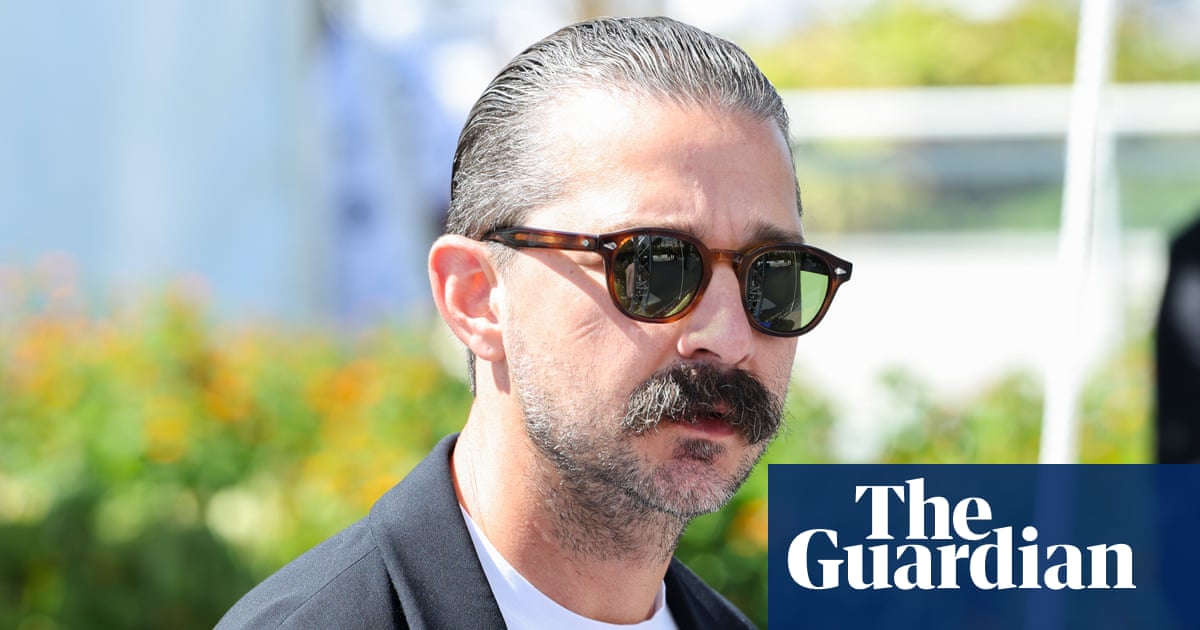
Shia LaBeouf Pleads Guilty to Battery Charges Over New Orleans Bar Incident – The Guardian
The legal saga involving actor Shia LaBeouf and a physical altercation in Louisiana has reached a resolution in court. In a development that has drawn significant attention to the intersection of celebrity conduct and public order, the actor has formally admitted to charges stemming from a confrontation at a New Orleans establishment during the city’s world-famous Mardi Gras celebrations. The plea deal, which avoids a lengthy trial, sees the actor accepting responsibility for his actions in exchange for a sentence centered on probation rather than incarceration.
This incident, while appearing as a localized dispute, highlights a recurring pattern of volatility that has followed the actor throughout his career. For those following the news that Shia LaBeouf pleads guilty to battery charges over New Orleans bar incident – The Guardian and other outlets have tracked, the outcome reflects a common legal trajectory for high-profile figures facing misdemeanor charges: a negotiated plea that prioritizes rehabilitation and community supervision over punitive jail time.
The Anatomy of the Mardi Gras Altercation
To understand the gravity of the charges, one must look at the environment in which the incident occurred. New Orleans during Mardi Gras is characterized by extreme crowds, high levels of alcohol consumption and a general atmosphere of hedonism. This proves a setting where tensions can escalate rapidly, and for a globally recognized figure, the pressure of public visibility often compounds the volatility of the situation.
The confrontation took place within a local bar, where a disagreement escalated into a physical encounter. While the specific catalysts for the fight remain a point of contention in various reports, the legal reality is that the physical contact crossed the threshold into criminal battery. In the eyes of the law, the intent or the provocation often takes a backseat to the act of unauthorized physical contact that results in harm or offensive touching.
The subsequent arrest and charging process were swift, reflecting the New Orleans Police Department’s commitment to maintaining order during the festival season. For LaBeouf, the transition from the festivities of Carnival to the sterile environment of a courtroom served as a stark reminder of the legal accountability that persists regardless of celebrity status.
Key Details of the Incident
- Location: A commercial bar establishment in New Orleans, Louisiana.
- Timing: The incident coincided with the Mardi Gras festivities, a period of heightened city-wide activity.
- Nature of Charge: Simple battery, which typically involves the intentional touching of another person without consent.
- Legal Outcome: A guilty plea followed by a sentence of probation.
Understanding the Legal Framework: Simple Battery in Louisiana
To the layperson, the term “battery” can sound severe, often evoking images of significant injury. However, in the legal context of Louisiana, “simple battery” is a specific classification. It is generally defined as the act of intentionally using unlawful force or violence upon the person of another. Unlike aggravated battery, simple battery does not necessarily require a weapon or the infliction of serious bodily injury.
The prosecution’s decision to pursue simple battery charges suggests that while the altercation was illegal, it did not reach the threshold of a felony. By pleading guilty, LaBeouf admitted to the essential elements of the crime: that he intentionally caused physical contact with another person without their permission.
“The legal resolution of such cases often hinges on the willingness of the defendant to accept responsibility, which allows the court to move toward a rehabilitative sentence rather than a purely punitive one.”
The imposition of probation is a strategic legal tool. It allows the state to monitor the defendant’s behavior, ensure they avoid further legal trouble, and potentially mandate counseling or community service. For a public figure, probation serves as a “sword of Damocles,” where any further lapse in judgment could lead to a more severe sentence, including the possibility of jail time.
Timeline of Legal Proceedings
The journey from the initial altercation to the final plea involves several critical stages. The following table outlines the general progression of this case, providing a clear view of how the matter moved through the judicial system.
| Stage | Event/Action | Legal Significance |
|---|---|---|
| The Incident | Physical altercation at a New Orleans bar during Mardi Gras. | Initial criminal act and police intervention. |
| Arrest & Charging | Police file charges for battery against the actor. | Formal entry into the criminal justice system. |
| Pre-Trial Motions | Legal maneuvering between defense and prosecution. | Evaluation of evidence and potential for a plea deal. |
| The Plea | LaBeouf pleads guilty to simple battery. | Admission of guilt; waiver of the right to a trial. |
| Sentencing | Court grants probation. | Final judicial determination of the penalty. |
The Pattern of Volatility: Contextualizing the Actor’s Behavior
This incident does not exist in a vacuum. For those who have followed the career of Shia LaBeouf, the New Orleans battery charge is another chapter in a long history of erratic public behavior and legal challenges. From high-concept performance art that often blurred the line between creativity and harassment to documented outbursts on film sets, the actor has cultivated a persona of the “unpredictable artist.”
However, there is a critical distinction between artistic provocation and criminal conduct. While his performance art—such as the “He Will Not Divide Us” project—was designed to spark political dialogue, a bar fight in New Orleans is a matter of public safety and personal conduct. The recurring nature of these incidents suggests a struggle with impulse control or an entitlement often associated with the “tortured genius” trope in Hollywood.
The “Tortured Artist” vs. Legal Accountability
In the entertainment industry, eccentric or volatile behavior is sometimes excused as a byproduct of creative intensity. This is particularly true for “method actors” who immerse themselves deeply in their roles. However, the legal system does not recognize “creative temperament” as a valid defense for battery. The transition from the screen to the street requires a shift in behavior that LaBeouf has historically struggled to maintain.
Industry analysts often point to the immense pressure of early fame as a contributing factor. Having been a household name since adolescence, the transition to adult stardom under the relentless gaze of paparazzi and social media can lead to psychological strain. Nevertheless, the consensus among legal experts is that celebrity status should not shield individuals from the consequences of physical aggression.
For more on how celebrity legal cases are handled in the US, you might find a related explainer on celebrity jurisprudence useful.
Implications for Career and Public Image
The long-term impact of a guilty plea for battery can vary. In the current cultural climate, where accountability is highly prioritized, such incidents can lead to “uninsurability” on film sets. Production companies rely on completion bonds—insurance that guarantees a movie will be finished. An actor with a history of legal volatility and physical altercations becomes a liability, potentially making it challenging for them to secure lead roles in major studio productions.
the public perception of LaBeouf has shifted over the years. Once seen as a quirky, rebellious talent, he is now frequently viewed through the lens of his legal troubles. Each new incident, such as the one in New Orleans, reinforces a narrative of instability. While there is a segment of the audience that admires his raw honesty and refusal to conform to the “polished” celebrity mold, a broader demographic views his actions as inexcusable.
Potential Professional Consequences
- Insurance Hikes: Increased costs for productions to insure him against behavioral risks.
- Brand Alienation: Difficulty in securing corporate sponsorships or brand partnerships.
- Casting Hesitation: Studios may prefer “safer” options to avoid PR nightmares during press tours.
- Legal Restrictions: Probationary terms may limit travel or require behavioral therapy, impacting filming schedules.
Comparing the New Orleans Incident to Similar Celebrity Cases
When analyzing the news that Shia LaBeouf pleads guilty to battery charges over New Orleans bar incident – The Guardian, it is helpful to compare this to other celebrity legal battles. Many stars have faced battery charges following nightlife altercations. In most cases, the outcome follows a predictable pattern: a public apology, a negotiated plea, and a sentence of probation or community service.
The difference often lies in the frequency. When a celebrity has a single isolated incident, the public and the industry are generally forgiving. However, when the incidents become a pattern—as seen with LaBeouf—the narrative shifts from “one bad night” to a “character flaw.” This shift makes the legal resolution less about the specific crime and more about a systemic failure of the individual to adhere to societal norms.
Comparatively, other actors have managed to pivot their images following legal trouble by leaning into sobriety or public redemption arcs. For LaBeouf, the path to redemption remains unclear, as his public persona continues to embrace a level of chaos that is fundamentally at odds with the stability required for professional longevity in a corporate-driven industry.
Common Misconceptions Regarding the Case
You’ll see several common misunderstandings that often arise in the wake of high-profile legal pleas. It is important to clarify these to provide a balanced view of the situation.
Misconception 1: “A guilty plea means he went to jail.”
In this instance, the guilty plea was the mechanism to avoid jail. By admitting guilt, the defendant often secures a more lenient sentence, such as probation, which allows them to remain in the community under supervision.
Misconception 2: “Simple battery is a minor offense that doesn’t matter.”
While “simple” battery is a misdemeanor, it still results in a criminal record. This can affect international travel (visa applications), future employment, and can be used as an aggravating factor if the individual is arrested again.
Misconception 3: “The celebrity’s fame is the only reason he got probation.”
While wealth and fame provide access to superior legal representation, many first-time or non-violent offenders (regardless of status) are eligible for probation for simple battery charges. The legal system prioritizes probation for offenses where there was no permanent or severe injury.
The Broader Social Context: Violence and the “Artist’s License”
This case invites a larger conversation about the “artist’s license”—the idea that those who contribute significantly to culture are exempt from the standard rules of social conduct. From the temperaments of legendary directors to the volatility of avant-garde actors, the industry has a long history of tolerating abuse in the name of “genius.”
However, the modern era is seeing a decline in this tolerance. The rise of the #MeToo movement and a general shift toward workplace safety and personal boundaries have made physical aggression unacceptable, regardless of the perpetrator’s talent. The New Orleans incident is a microcosm of this shift. The fact that the case proceeded to a guilty plea, rather than being quietly swept under the rug, indicates a growing insistence on legal accountability for all.
For those interested in the evolution of celebrity culture, a related explainer on the shift in Hollywood accountability provides deeper insight into these trends.
Frequently Asked Questions
What exactly did Shia LaBeouf plead guilty to in New Orleans?
Shia LaBeouf pleaded guilty to charges of simple battery. This is a misdemeanor charge involving the intentional use of unlawful force or violence against another person without their consent.
What was the sentence for the New Orleans bar incident?
The actor received a sentence of probation. In other words he avoids jail time but must adhere to specific court-ordered conditions and remain under legal supervision for a set period.
When and where did the altercation take place?
The incident occurred at a bar in New Orleans, Louisiana, during the Mardi Gras celebrations.
Does this guilty plea affect his ability to work in film?
While a misdemeanor plea may not legally bar him from acting, it can make him more expensive to insure for film productions and may lead some studios to view him as a liability due to his history of volatility.
Is “simple battery” different from “aggravated battery”?
Yes. Simple battery typically involves physical contact without the use of a weapon or the causing of serious bodily injury. Aggravated battery is a more serious crime involving weapons or severe injuries and often carries felony penalties.
The resolution of this case marks the end of the legal proceedings for the New Orleans incident, but it leaves open the question of whether the actor will seek a path of stability or continue a cycle of public confrontation. As the industry continues to evolve, the margin for such behavior is shrinking, leaving the actor to navigate the precarious balance between his artistic identity and his legal obligations to society.
