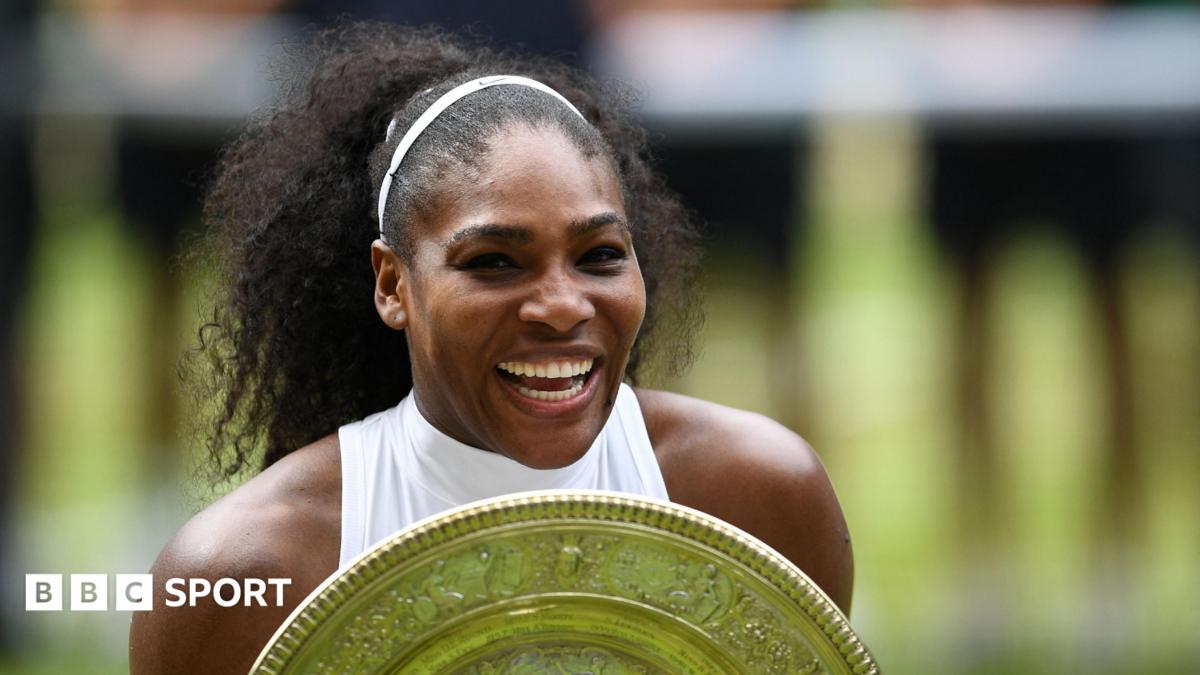
Serena Williams to Make Singles Comeback at Wimbledon Following Wildcard Entry
Serena Williams will return to the women’s singles competition at Wimbledon after receiving a wildcard entry, according to reports from the BBC and other major news outlets. The American athlete, a 23-time Grand Slam champion, secures her place in the draw through the tournament’s discretionary invitation system, bypassing the standard ranking requirements for entry.
How Serena Williams Secured Her Wimbledon Singles Return
Wimbledon officials have granted Serena Williams a wildcard for the women’s singles event, a move confirmed by the BBC, The Guardian, and Sky Sports. A wildcard allows the tournament committee to invite players who do not meet the direct entry ranking cutoff or who have missed significant time due to injury or retirement.
According to Sky Sports, Williams enters the tournament as a 23-time Grand Slam winner, the most successful player in the Open Era for women’s singles. The decision to award the wildcard ensures that one of the most decorated athletes in tennis history returns to the grass courts of SW19.
The Irish Independent also confirmed the wildcard status, noting that the invitation allows Williams to compete in the singles draw specifically. This mechanism is frequently used by Grand Slam tournaments to maintain high-profile draws or to support players returning from long-term absences.
“Serena Williams: American 23-time Grand Slam winner receives Wimbledon women’s singles wild card.” — Sky Sports
The Significance of the Wildcard Entry for Williams
The wildcard serves as the primary vehicle for Williams’ return because her current professional ranking does not guarantee a direct spot in the main draw. In professional tennis, entry into Grand Slams is typically determined by the WTA (Women’s Tennis Association) rankings. When a player’s ranking drops due to inactivity, the wildcard remains the only pathway to entry without playing through the qualifying rounds.
This return is particularly notable given Williams’ historical dominance at the tournament. Her career is defined by multiple Wimbledon titles, making her return a point of high interest for both the organization and the global audience. The BBC has highlighted the return as a major narrative for the upcoming championships.
Key Facts Regarding the Comeback
- Entry Method: Wildcard invitation from the All England Lawn Tennis Club (AELTC).
- Competition: Women’s Singles.
- Career Status: 23-time Grand Slam champion.
- Primary Sources: BBC, The Guardian, Sky Sports, Irish Independent.
Comparing the ‘Comeback’ Narrative: Williams and Murray
The prospect of a legendary player returning to the game often sparks discussion about other sporting icons. The BBC has specifically drawn a parallel between Williams’ return and the career trajectory of Andy Murray. In reporting on how Murray was tempted back to tennis, the BBC questioned whether he would ever “do a Serena”—referring to the high-profile, high-stakes return of a veteran champion to the singles stage.
While both athletes share a history of battling significant injuries and managing the physical decline associated with age in professional sports, the “Serena model” of a comeback is often viewed as a singular event due to her unprecedented success and the global brand she represents. The contrast lies in the timing and the nature of the return; Williams’ wildcard entry provides an immediate path to the center stage of the tennis world.
| Player | Comeback Driver | Entry Mechanism | Career Milestone |
|---|---|---|---|
| Serena Williams | Singles Return | Wimbledon Wildcard | 23 Grand Slams |
| Andy Murray | Injury Recovery | Ranking/Wildcard | 3 Grand Slams |
The Impact of Williams’ Return on the Wimbledon Draw
The inclusion of Serena Williams changes the dynamics of the women’s singles draw. For opponents, facing a 23-time Grand Slam winner—regardless of her current form—presents a psychological challenge. For the tournament, her presence increases ticket demand and global viewership.
Analysts suggest that Williams’ return will be scrutinized based on her fitness and ability to adapt to the grass surface, which requires specific movement and timing. Because she is entering via a wildcard, there is no qualifying data from recent tournaments to gauge her current level of play, adding an element of unpredictability to her early-round matches.
Potential Challenges for the Comeback
- Match Fitness: The intensity of best-of-three-set matches at a Grand Slam level.
- Surface Adaptation: The transition to grass, which is the fastest surface in professional tennis.
- Opponent Evolution: Facing a new generation of power hitters and defensive specialists.
Understanding the Wimbledon Wildcard Process
The All England Lawn Tennis Club (AELTC) manages the wildcard process. Unlike direct entries, which are automatic based on ranking, wildcards are subjective. The committee considers several factors:
- Past Performance: Former champions are often given priority.
- National Interest: British players frequently receive wildcards to ensure local representation.
- Marketability: High-profile stars who draw crowds and media attention.
- Promising Youth: Young players showing exceptional potential but lacking a high ranking.
By awarding the wildcard to Williams, the tournament prioritizes the legacy and star power of a former champion. This is a common practice in tennis, though it occasionally draws criticism from lower-ranked players who argue that wildcards should be reserved for emerging talent. However, the reports from The Guardian and Sky Sports emphasize that Williams’ stature as a 23-time champion makes her a primary candidate for such an invitation.
For more information on how tournament entries are managed, see a related explainer on Grand Slam qualification.
Historical Context of Williams’ Wimbledon Career
To understand why the news of “Serena Williams to make singles comeback at Wimbledon – BBC” is significant, one must look at her record on the grass of SW19. Williams has spent decades dominating this specific surface, utilizing a powerful serve and aggressive baseline play that redefined the women’s game.
Her 23 Grand Slam titles are not just a number but a testament to her longevity. Most players’ peaks last five to ten years; Williams maintained a championship-level game for over two decades. This history is what makes the current wildcard entry a story of legacy rather than just a sporting return.
The Evolution of the Women’s Game
Since Williams’ early titles, the women’s game has shifted toward greater athleticism and baseline consistency. Her return provides a direct comparison between the “power era” she helped create and the current state of the WTA tour. This clash of eras is a primary draw for fans and analysts alike.
Common Misconceptions About the Comeback
There are several common misunderstandings regarding how a return like this works in professional tennis.
Misconception: The Wildcard Guarantees a High Seed
A wildcard grants entry into the tournament, but it does not grant a “seed.” Seeding is based on rankings. Because Williams is entering via wildcard, she is unseeded. This means she could potentially face one of the top four players in the world in the first round, a risk that seeded players avoid until the later stages of the tournament.
Misconception: Wildcards are Only for Injuries
While injuries are a common reason for wildcards, they are also used for players returning from retirement or those who missed the entry deadline. In the case of Serena Williams, the wildcard is a recognition of her status as a legendary figure in the sport.
What to Watch for During the Tournament
As the tournament begins, the focus will shift from the administrative fact of her entry to her physical performance. Observers will be looking for specific indicators of her form:
- First Serve Percentage: Her serve has always been her greatest weapon; its consistency will indicate her readiness.
- Lateral Movement: Grass requires precise footwork. Her ability to slide and recover will be key.
- Mental Resilience: The ability to handle the pressure of a comeback in front of a global audience.
The BBC and other outlets will likely track her progress match-by-match, focusing on whether the “Serena” effect can translate into deep runs in the draw.
Frequently Asked Questions
What is a wildcard in tennis?
A wildcard is a discretionary invitation granted by tournament organizers to a player who would not otherwise qualify for the event based on their official world ranking. This allows tournaments to include former champions, local favorites, or promising young athletes.

Why did Serena Williams need a wildcard for Wimbledon?
According to reports from The Guardian and Sky Sports, Williams required a wildcard because her current ranking was not high enough to secure direct entry into the women’s singles draw, likely due to her time away from competitive play.
How many Grand Slam titles has Serena Williams won?
As reported by Sky Sports, Serena Williams is a 23-time Grand Slam winner, the most in the Open Era for women’s singles.
Will Serena Williams be seeded in the Wimbledon draw?
No. Because she is entering the tournament via a wildcard and not through her ranking, she is unseeded. This means she can be drawn against any player, including the top seeds, in the opening rounds.
Who else has been mentioned in relation to this comeback?
The BBC mentioned Andy Murray, discussing whether he would ever attempt a similar high-profile return to singles competition, referring to the “Serena” model of returning to the sport’s biggest stages.
For further analysis on athlete longevity, you may find a related explainer on sports science and aging useful.
