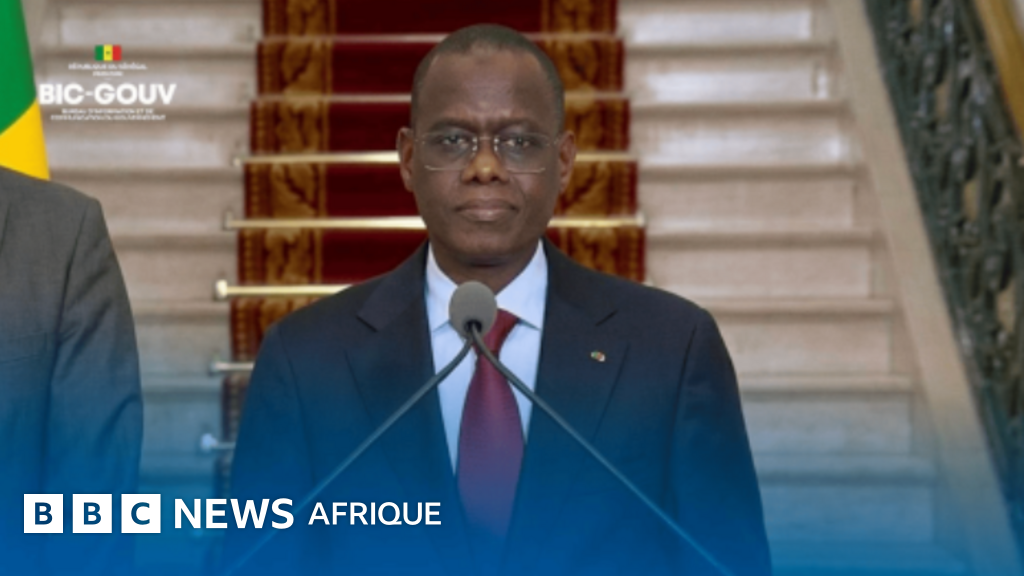
The political landscape of Senegal has shifted significantly following the formation of a new government, marking a pivotal moment in the nation’s recent history. Despite the absence of key figures like Ousmane Sonko, President Macky Sall’s successor, Aliou Sall, appears poised to navigate the challenges of governance without immediate obstruction. The transition has sparked widespread discussion across local media, reflecting the complex interplay between political leadership and public sentiment.
The dissolution of the Sonko-Diomaye alliance, a cornerstone of Senegal’s political dynamic, has been interpreted through a constitutional lens, highlighting the intricacies of power distribution in the country. Analysts note that this development could reshape the political arena, potentially fostering a more stable administration. However, the implications for future governance remain a topic of debate among observers.
Local media outlets have extensively covered the transition, emphasizing the significance of the new government’s composition. Reports underscore the delicate balance of power and the expectations placed on the administration to address pressing national issues. The absence of Sonko, a prominent figure in the region, has led to speculation about the direction of the country’s political trajectory.
As the new government settles into its role, the focus will likely shift to its ability to implement policies that resonate with the electorate. The coming weeks will be critical in determining whether the administration can maintain momentum and avoid the pitfalls that have characterized previous transitions.
The situation in Senegal serves as a reminder of the fluid nature of political landscapes, where alliances and leadership changes can dramatically alter the course of a nation. For now, the emphasis remains on the new government’s capacity to deliver on its promises and navigate the complexities of governance in a rapidly evolving environment.
