
Scientists have unveiled the most detailed map yet of the universe’s magnetic field, providing a groundbreaking glimpse into the cosmic forces that shape galaxies and influence the behavior of matter across vast distances. The research, led by an international team of astrophysicists, leverages data from the Planck satellite to create a high-resolution representation of magnetic field lines within the Milky Way and beyond.
What the Study Found
The map, generated using observations of polarized light from interstellar dust, reveals intricate patterns of magnetic fields that thread through the galaxy. These fields, though invisible to the naked eye, play a critical role in regulating star formation, guiding the flow of cosmic rays, and affecting the structure of the interstellar medium. The study identified regions of intense magnetic activity, including areas near the galactic center where the field strength appears to be significantly higher than previously estimated.
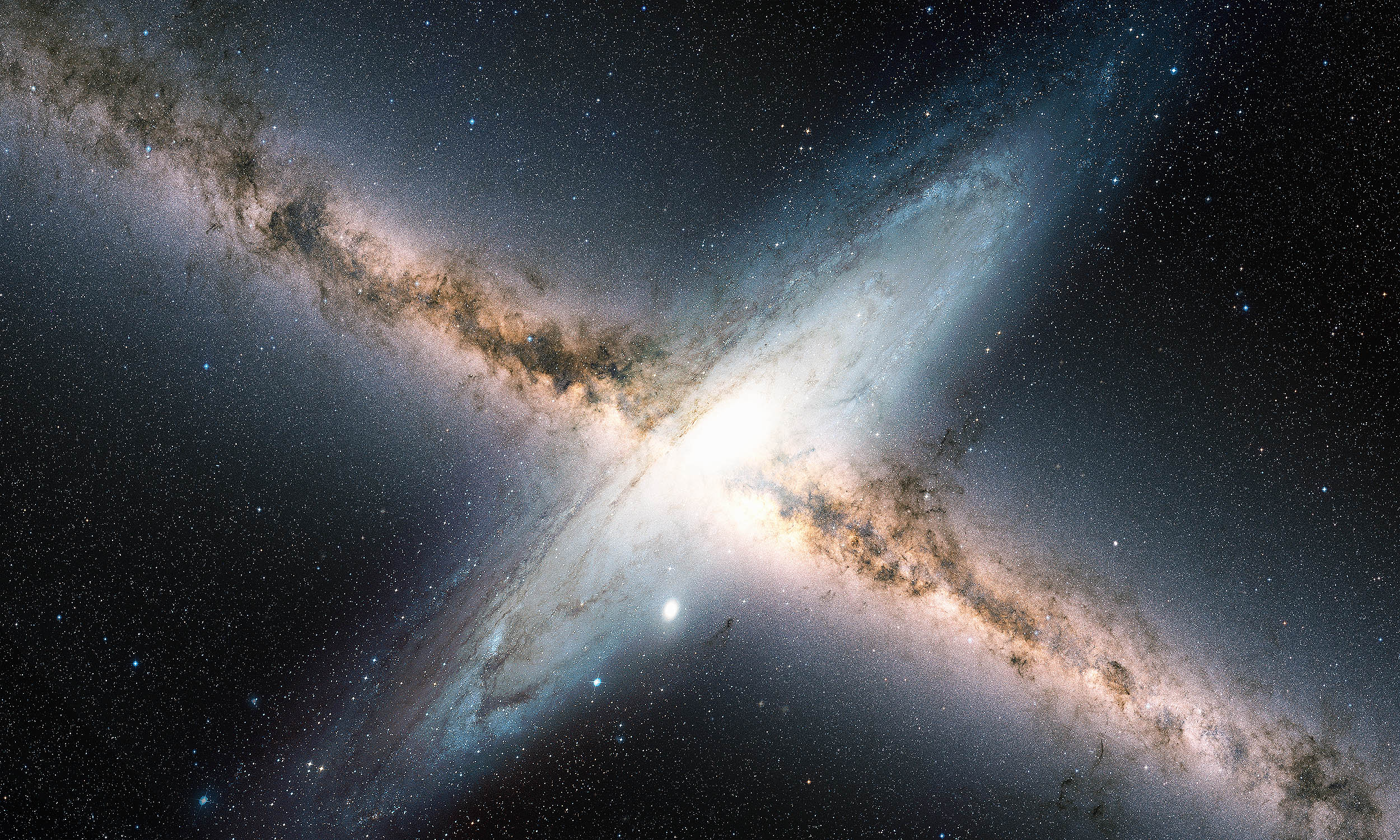
Researchers emphasized that the map’s resolution—achieved through advanced data-processing techniques—allows for a more precise understanding of how magnetic fields interact with cosmic structures. This level of detail could help answer longstanding questions about the origins of these fields and their influence on the evolution of the universe.
Context and Scientific Significance
Magnetic fields in space have long been a focus of astrophysical research, but their exact mechanisms and origins remain poorly understood. This study builds on decades of work to decode the role of magnetic forces in cosmic processes. Prior maps of the Milky Way’s magnetic field were limited by lower resolution or incomplete data, making this new version a significant leap forward.
The findings also have implications for understanding the early universe. Magnetic fields may have influenced the distribution of matter after the Big Bang, potentially affecting the formation of the first stars and galaxies. By mapping these fields in greater detail, scientists hope to refine models of cosmic evolution and test theories about the universe’s fundamental properties.
Limitations and Unanswered Questions
While the map represents a major advancement, the research team acknowledges several limitations. The data primarily captures large-scale magnetic structures, offering less insight into smaller, localized fields that may exist in regions like molecular clouds or around individual stars. The map does not fully account for the dynamic nature of magnetic fields, which can shift over time due to stellar activity or galactic movements.

Experts also note that the study focuses on the Milky Way, leaving the magnetic fields of other galaxies—and their potential differences—less explored. Further research will be needed to determine whether the patterns observed in our galaxy are typical or unique.
What’s Next
The research team plans to integrate data from upcoming missions, such as the James Webb Space Telescope, to cross-reference their findings with observations of distant galaxies. This collaboration could help identify whether similar magnetic field structures exist elsewhere in the universe, shedding light on whether these forces are a universal feature of cosmic evolution.
Public health and science organizations have highlighted the broader importance of such studies in advancing fundamental knowledge. While the immediate applications may not be medical, understanding cosmic magnetic fields contributes to a more comprehensive view of the physical laws governing all matter, including life on Earth.
As one of the lead researchers noted in a statement, “This map is a stepping stone toward unraveling the hidden forces that shape our universe. It’s a reminder of how much we still have to learn about the cosmos and our place within it.”
