
Division Leaders Up For Grabs in Saratoga Challenge Races: The Road to the Breeders’ Cup World Championships
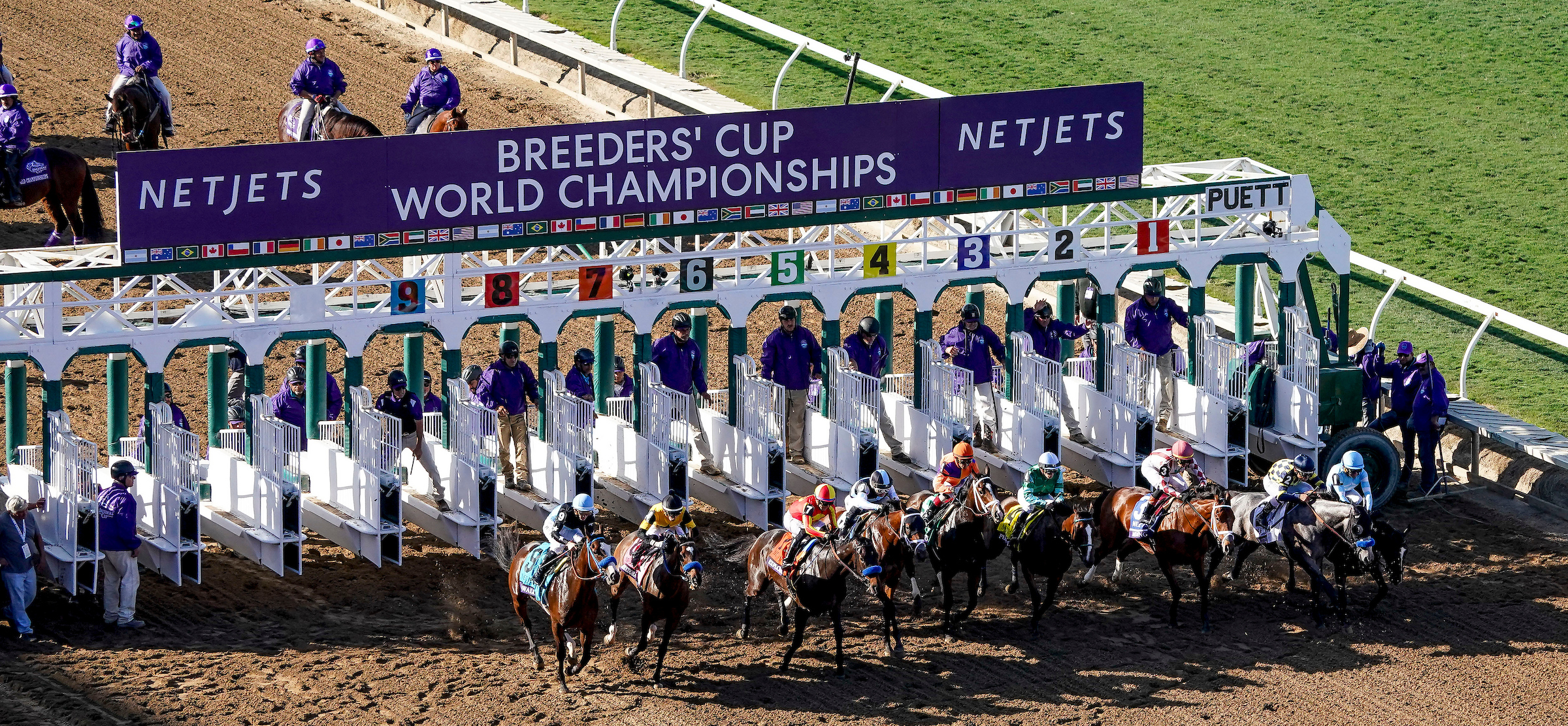
The atmosphere at Saratoga Race Course has always been electric, but when the Breeders’ Cup Challenge races hit the calendar, the intensity shifts from seasonal prestige to championship desperation. As the racing world turns its attention to the Spa, the stakes have evolved. It is no longer just about the winner’s circle or the immediate purse. it is about securing a golden ticket to the most prestigious event in global Thoroughbred racing. With division leaders up for grabs in Saratoga Challenge races, the upcoming slate of events serves as a critical crossroads for the year’s top contenders.
For the elite horses and their connections, these races represent the “Win and You’re In” philosophy. The Breeders’ Cup Challenge Series is designed to curate a world-class field by offering automatic starting positions and significant entry fee waivers to the winners of designated stakes. At Saratoga, where the competition is historically some of the fiercest in North America, these races do more than just qualify horses—they redefine the hierarchy of entire divisions. A single victory in a Saratoga Challenge race can catapult a rising star to the top of the rankings or solidify a veteran’s status as the horse to beat in the November championships.
Understanding the High Stakes of the Breeders’ Cup Challenge Series
To the casual observer, a stakes race at Saratoga is simply a high-value event. However, for the professional trainer and owner, a “Challenge” race is a strategic instrument. The Breeders’ Cup World Championships are the culmination of the racing season, but getting into those races is a complex process involving points, nominations, and exorbitant entry fees. The Challenge Series simplifies this equation.
The primary allure of the Saratoga Challenge races is the elimination of uncertainty. In a sport where a sudden injury or a dip in form can derail a season, an automatic berth provides a safety net. When division leaders are up for grabs, it means that the horses currently ranked at the top of their respective categories—whether in the dirt sprints, turf routes, or filly and mare divisions—are facing off in a head-to-head battle for dominance.
Key benefits of winning a Saratoga Challenge Race:
- Automatic Entry: The winner bypasses the grueling points-based qualification process.
- Fee Waivers: The Breeders’ Cup typically covers a significant portion, or the entirety, of the entry fees, which can save owners tens of thousands of dollars.
- Travel Allowances: In many cases, travel stipends are provided for horses coming from distant jurisdictions.
- Psychological Edge: Entering the championships as a “Challenge winner” signals to the betting public and competitors that the horse is in peak form.
| Qualification Path | Requirement | Certainty Level | Financial Impact |
|---|---|---|---|
| Challenge Series Win | Win a designated “Win and You’re In” race | High (Automatic) | Low (Fees waived/reduced) |
| Points System | Accumulate points via graded stakes | Medium (Based on ranking) | High (Full fees paid) |
| Preferential Selection | Past performance/Breeders’ Cup history | Low (Discretionary) | High (Full fees paid) |
Saratoga: The Ultimate Testing Ground
Why is Saratoga specifically so pivotal for the Breeders’ Cup? The venue is not merely a racetrack; it is a proving ground. Known for its unique surface and demanding stretches, Saratoga tests a horse’s stamina, agility, and mental toughness. When division leaders clash here, the results are often a true reflection of who is prepared for the championship stage.
The “Spa” is renowned for attracting the deepest fields in the country. Because so many top-tier stables base their operations in New York during the summer, the Challenge races at Saratoga often feature “clash of the titans” scenarios that wouldn’t happen at smaller meets. If a horse can navigate the traffic and the pressure of a Saratoga Challenge race, they are viewed as a legitimate threat for the Breeders’ Cup.
The Surface Factor
The dirt and turf courses at Saratoga are meticulously maintained but possess characteristics that can favor different styles of running. A horse that dominates on the Saratoga dirt may find the transition to the Breeders’ Cup host track seamless, while others may struggle. This adds a layer of tactical complexity for trainers who must decide if the Saratoga Challenge is the right final prep for their specific horse’s running style.
Analyzing the Divisions: Where the Battle Lines are Drawn
When we say division leaders are “up for grabs,” we are referring to several distinct categories of racing. Each division has its own dynamics, and the Saratoga races act as the final weighing scale before the championships.
The Sprint Division: Speed and Precision
In the sprint divisions, margins of victory are often measured in noses. The Challenge races for sprinters at Saratoga are essentially a preview of the Breeders’ Cup Sprint. These races determine who possesses the “turn of foot” necessary to dominate. A victory here doesn’t just provide a spot in the race; it establishes the pace-setter for the championships. If a current division leader is defeated at Saratoga, it signals a power shift, opening the door for a new favorite to emerge.
The Turf Division: Stamina and Strategy
Turf racing is a game of chess. The Saratoga turf Challenge races often involve international contenders or horses that have spent the summer dominating the grass. Because turf horses often have longer campaigns, the Saratoga race serves as a crucial fitness check. The winner here typically earns the respect of the global racing community, proving they can handle the tight turns and tactical surges required in championship turf events.
The Filly and Mare Divisions: The Quest for Consistency
The female divisions are often the most competitive in terms of consistency. The Challenge races for fillies and mares at Saratoga are where the “Queen of the Division” is crowned. These races are vital because they often see the intersection of three-year-olds challenging the older mares. A victory for a younger horse here is a statement of maturity and readiness for the world stage.
The Trainer’s Dilemma: To Run or To Wait?
Not every top-ranked horse enters the Saratoga Challenge races. This creates a fascinating strategic tension in the sport. Trainers must weigh the benefits of an automatic berth against the risk of “peaking” too early.
“The decision to enter a Challenge race is a gamble on timing. You want your horse to hit their absolute peak in November, not August. But the peace of mind that comes with a ‘Win and You’re In’ ticket is an incredibly powerful incentive.”
If a trainer believes their horse is already the clear leader of the division, they might skip Saratoga to avoid unnecessary wear and tear, relying instead on their points standing. However, if a rival is gaining momentum, the trainer may feel compelled to enter the Saratoga race to defend their horse’s status and “shut the door” on the competition. This tactical tug-of-war is what makes the Saratoga Challenge series so compelling for fans and handicappers.
Risk Mitigation and Peak Performance
The risk of running in a Challenge race includes the possibility of a poor showing that could affect the horse’s confidence or lead to a minor injury. Conversely, a dominant win can increase a horse’s value exponentially, especially for those with stallion or broodmare aspirations. For many owners, the prestige of winning a Saratoga Challenge race is almost as valuable as the Breeders’ Cup itself.
Common Misconceptions About the Challenge Series
There are several myths surrounding the “Win and You’re In” system that often confuse casual fans. Clearing these up provides a better understanding of why the Saratoga races are so critical.
Myth 1: Winning a Challenge race guarantees a win at the Breeders’ Cup.
In reality, the Challenge race is a qualifier, not a predictor. While it shows a horse is in form, the Breeders’ Cup brings together horses from different circuits and countries who may not have faced each other all year. A “Challenge winner” is a contender, but not a lock.
Myth 2: Horses who don’t win a Challenge race can’t get in.
This is false. The points system and preferential selection allow many horses to qualify. However, the Challenge winners have the easiest path and the lowest financial burden.
Myth 3: Saratoga is the only place to qualify.
While Saratoga is a crown jewel, the Challenge Series happens globally, from the UK to Japan and across various US tracks. However, the concentration of talent at Saratoga makes its races some of the most influential in the series.
The Broader Impact on the Racing Industry
The ripple effects of the Saratoga Challenge races extend beyond the track. The results influence the betting markets for the Breeders’ Cup months in advance. They also impact the bloodstock market. A horse that wins a Challenge race at Saratoga becomes a highly coveted commodity. For breeders, a “Challenge winner” tag on a pedigree is a mark of elite quality and durability.
these races drive tourism and economic activity in Saratoga Springs. The influx of high-net-worth owners, international trainers, and thousands of fans creates a seasonal economic boom. The prestige of the Breeders’ Cup brand elevates the local racing meet, turning it into a global sporting event rather than just a regional attraction.
For those interested in the deeper mechanics of how these events are structured, a related explainer on the Breeders’ Cup points system can provide further insight into how non-Challenge winners still find their way into the championships.
What to Watch for in the Coming Races
As the division leaders clash at Saratoga, keen observers should look for more than just the winner. The “trip” (how the horse ran the race) is often more important than the result. A horse that finishes second but makes a massive late surge may be more dangerous in the Breeders’ Cup than a winner who barely held on.
- Watch the Clock: Compare the winning times at Saratoga to historical Breeders’ Cup times. This helps determine if the speed is genuine or a result of a “soft” field.
- Analyze the Recovery: See how the horses handle the post-race recovery. The intensity of a Challenge race can take a toll, and the ability to bounce back is key for a November peak.
- Monitor the International Shift: Keep an eye on whether European or Asian stables are sending “prep” horses to Saratoga to test the American dirt or turf.
If you are looking to build a strategy for the upcoming season, checking out a guide to Saratoga track profiles can help you understand which horses are most likely to thrive on the specific layout of the Spa.
Frequently Asked Questions
What exactly is a “Challenge Race”?
A Challenge race is a designated stakes race that is part of the Breeders’ Cup Challenge Series. The winner of such a race receives an automatic starting position in a corresponding Breeders’ Cup World Championships race, along with waivers for entry fees and potentially travel allowances.
Why are these races held at Saratoga specifically?
Saratoga is one of the most prestigious racetracks in the world and attracts the highest caliber of Thoroughbreds during the summer. Holding Challenge races here ensures that the qualifiers are facing the toughest possible competition, maintaining the elite standard of the Breeders’ Cup.
Can a horse qualify for the Breeders’ Cup without winning a Challenge race?
Yes. Horses can qualify by accumulating points through other graded stakes races or through a preferential selection process based on their career achievements and rankings.
Does winning a Saratoga Challenge race mean the horse is the favorite for the Breeders’ Cup?
Not necessarily. While it makes them a primary contender, the final favorites are usually determined by a combination of the Challenge results, overall season form, and the specific conditions of the Breeders’ Cup host track.
Who pays for the entry fees if a horse wins a Challenge race?
The Breeders’ Cup organization typically covers the entry fees for the winner of a Challenge race, providing a significant financial incentive for owners to enter these high-stakes events.
The clash of division leaders at Saratoga is more than just a series of races; it is a high-stakes drama that sets the stage for the grand finale of the racing year. As these elite athletes battle for automatic entry and divisional supremacy, the results will echo through the sports pages and the betting windows all the way to November. Whether you are a seasoned handicapper or a casual fan, the Saratoga Challenge races provide a window into the absolute peak of equine athleticism and strategic ownership.
