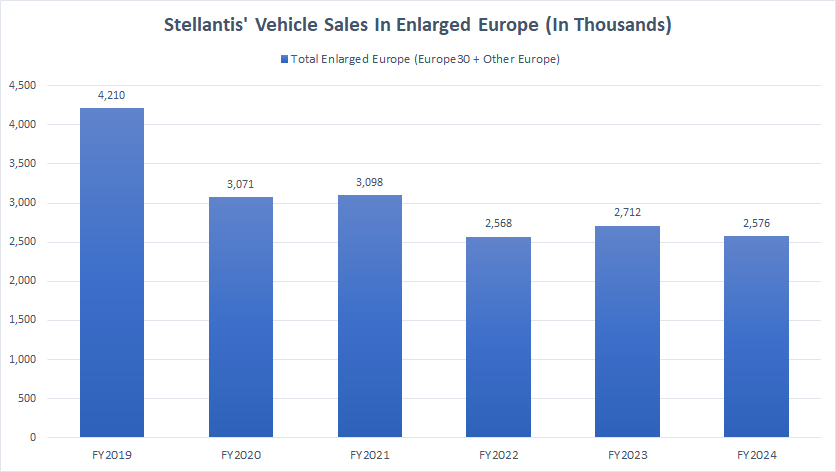
Stellantis shares fell to a historic low on the Milan Stock Exchange, declining 75% from their peak, as European vehicle registration data showed a 2.6% year-over-year decline in May 2026, according to multiple reports. The drop followed a broader trend of declining sales across the automotive sector, with analysts attributing the slump to shifting consumer preferences and economic headwinds.
The company’s stock reached a 10-year low on May 31, 2026, according to Borsa Italiana data, after reports from Il Sole 24 ORE and Il Fatto Quotidiano highlighted weaker-than-expected registration numbers in the European Union. The 2.6% decline in May marked the third consecutive month of reduced registrations, raising concerns about the automaker’s ability to adapt to market shifts.
Market Reaction and Industry Context
Industry analysts noted that Stellantis’ performance contrasted with rivals like Volkswagen and Renault, which reported more stable sales figures during the same period. The European Automobile Manufacturers Association (ACEA) data cited in local media suggested that the overall EU vehicle market grew by 1.2% in May 2026, but Stellantis’ results fell short of this benchmark.

“The decline reflects broader challenges in the sector, including supply chain disruptions and a slowdown in consumer spending,” said a spokesperson for a financial consultancy firm, speaking to Il Fatto Quotidiano. “Stellantis’ reliance on traditional combustion engine vehicles may be hindering its ability to compete with electrified offerings from competitors.”
Impact on Automakers
The registration data has intensified scrutiny of Stellantis’ transition to electric vehicles (EVs). While the company has invested heavily in EV infrastructure, its current lineup remains heavily weighted toward internal combustion engines. This imbalance has drawn criticism from investors and environmental groups, who argue that the pace of innovation is insufficient to meet EU emissions targets.
According to Soldionline, Stellantis’ EV sales accounted for just 8% of total registrations in May 2026, below the industry average of 12%. The company has not yet provided a detailed roadmap for accelerating its EV rollout, leaving stakeholders without clear guidance on its strategic direction.
“The market is demanding faster action on electrification,” said an independent automotive analyst, citing data from OraFinanza. “Without a decisive shift in strategy, Stellantis risks further erosion of its market share.”
