Salmonella Genomes Reveal 45 Previously Unknown Toxins in Foodborne Bacteria
Researchers have identified 45 previously unknown toxins within Salmonella genomes, according to reports via Phys.org. This discovery, driven by advanced genomic sequencing, provides a more comprehensive map of how these foodborne bacteria trigger infections and evade the human immune system to cause systemic illness.
How were these 45 new toxins discovered in Salmonella?
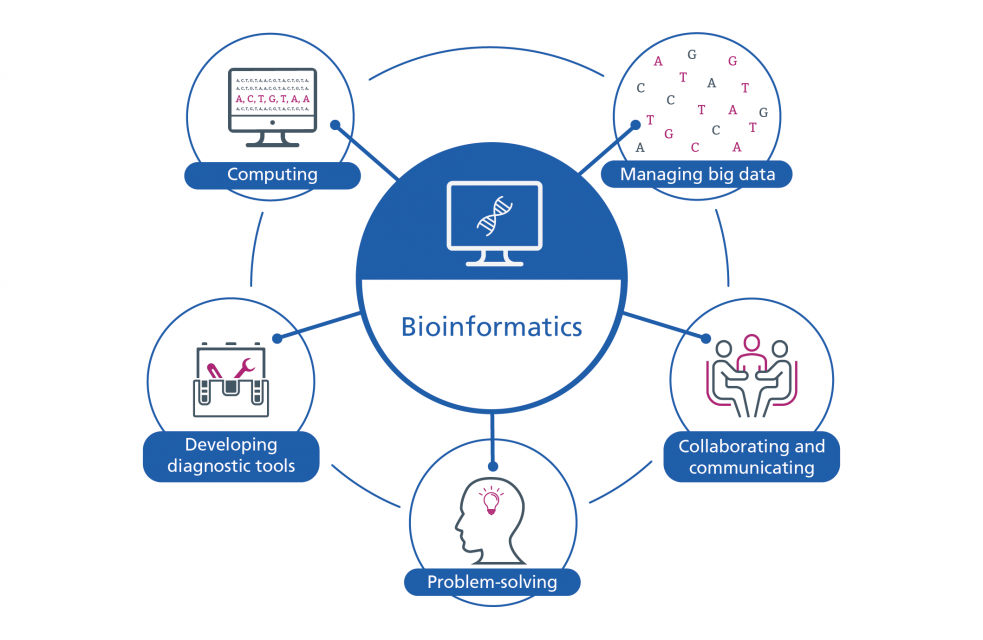
The identification of these toxins resulted from a large-scale analysis of Salmonella genomes, utilizing bioinformatics to scan the genetic blueprints of the bacteria. According to the data reported by Phys.org, scientists didn’t find these toxins by observing the bacteria under a microscope or testing them in a petri dish first. Instead, they used computational tools to identify genetic sequences that “look” like known toxins found in other pathogenic bacteria.
This process, known as genomic mining, involves comparing the DNA of Salmonella strains against massive databases of known virulence factors. When the researchers found sequences that mirrored the structure and function of established toxins—even if those specific toxins had never been documented in Salmonella before—they flagged them as potential new toxins. This approach allowed the team to uncover a hidden layer of the bacteria’s arsenal that traditional laboratory cultures had missed for decades.
The researchers focused on the genetic markers that code for protein production. Because toxins are proteins, the genetic code provides the instructions for their assembly. By decoding the genome, the team could predict the existence of these 45 toxins based on the presence of specific “motifs” or patterns in the DNA that are characteristic of poisonous proteins.
- Genomic Sequencing: The process of determining the complete DNA sequence of the organism’s genome.
- Bioinformatics: The application of computer science and statistics to the field of biology.
- Virulence Factors: Molecules produced by bacteria that add to their ability to cause disease.
Why does the discovery of these toxins matter for food safety?
Understanding the full range of toxins produced by Salmonella is critical because these molecules are the primary weapons the bacteria use to disable the host’s defenses. According to the findings, these 45 previously unknown toxins likely contribute to the severity of foodborne illness, explaining why some strains of Salmonella cause mild gastrointestinal distress while others lead to life-threatening systemic infections or sepsis.
For food safety regulators and inspectors, this information changes the understanding of bacterial risk. If certain strains of Salmonella possess a higher number of these newly identified toxins, those strains may be categorized as higher-risk. This could lead to more stringent testing protocols for food products—such as poultry, eggs, and produce—that are frequently linked to Salmonella outbreaks.
Furthermore, the presence of these toxins helps explain the “pathogenic diversity” of the bacteria. Salmonella isn’t a single entity but a collection of various serotypes. The discovery of 45 new toxins suggests that the ability of these bacteria to infect humans is far more complex than previously thought, involving a sophisticated chemical warfare strategy against the human gut and immune system.
The revelation of these toxins indicates that our previous understanding of Salmonella’s virulence was incomplete, suggesting that the bacteria possess a much more diverse toolkit for attacking the host than was previously documented.
What is the difference between known and newly identified bacterial toxins?
Historically, scientists identified toxins through “phenotypic” observation—meaning they watched what the toxin actually did to a cell or an animal. The 45 new toxins identified in the Salmonella genomes were found through “genotypic” analysis, meaning they were found in the DNA before their physical effects were fully mapped in a live environment.
Known toxins, such as those that cause enterotoxemia, have been studied for years and their mechanisms of action are well-documented. The newly discovered toxins are currently “predicted” toxins. While the genetic sequence strongly indicates they function as toxins, the next phase of research involves verifying exactly how each of these 45 proteins interacts with human cells.
| Feature | Traditionally Known Toxins | Newly Identified Genomic Toxins |
|---|---|---|
| Detection Method | Laboratory assays and clinical observation | Computational genomic sequencing |
| Verification | Physically proven to cause cell damage | Genetically predicted based on DNA patterns |
| Scope of Knowledge | Detailed mechanism of action known | Presence confirmed; specific function being mapped |
| Identification Speed | Slow (requires years of lab trials) | Rapid (processed via bioinformatics) |
How does this genomic research impact future medical treatments?
The discovery of these 45 toxins opens new avenues for the development of targeted therapies. According to the principles of genomic medicine, if scientists can identify the specific toxin responsible for the most severe symptoms of a Salmonella infection, they can develop “anti-toxin” drugs or monoclonal antibodies to neutralize those specific proteins.
Current treatments for Salmonella primarily rely on antibiotics. However, the rise of antimicrobial resistance (AMR) has made this approach less reliable. By focusing on the toxins rather than the bacteria themselves, doctors could potentially treat the effects of the infection—reducing inflammation and tissue damage—even if the bacteria are resistant to standard antibiotics.
Additionally, this research provides a roadmap for vaccine development. Vaccines often work by teaching the immune system to recognize specific proteins on the surface of a pathogen or the toxins it secretes. With 45 new targets identified, researchers can now screen which of these toxins are the most prevalent across different Salmonella strains and use them as antigens in a new generation of vaccines.
The ability to map these toxins also allows for faster diagnostics. Instead of waiting days for a bacterial culture to grow, clinics could use PCR (Polymerase Chain Reaction) tests to scan a patient’s sample for the genetic markers of these high-virulence toxins, allowing for immediate, aggressive treatment for high-risk patients.
Who is affected by the prevalence of Salmonella toxins?
The impact of these toxins is felt across several sectors, from global public health to the industrial food supply chain. The World Health Organization (WHO) has long identified Salmonella as one of the leading causes of foodborne illness globally, and these genomic findings highlight why the pathogen remains so difficult to eradicate.
Vulnerable Populations:
The most significant impact is felt by immunocompromised individuals, the elderly, and young children. In these groups, the “toxin load” of a Salmonella infection can lead to bacteremia, where the bacteria enter the bloodstream. The 45 newly discovered toxins may play a role in how the bacteria break through the intestinal barrier to enter the blood.
The Food Industry:
Food producers and processors face increased pressure to implement more sophisticated screening. If genomic sequencing becomes the standard for safety audits, companies will need to invest in DNA-based testing rather than relying on older culture-based methods. This shift ensures that “silent” but highly toxic strains are not overlooked during quality control.
Healthcare Providers:
Physicians treating salmonellosis can now better understand the variance in patient outcomes. The genomic data suggests that the “severity” of a case is not just about the amount of bacteria ingested, but the specific genetic toolkit—including these 45 toxins—that the specific strain possesses.
For more information on how foodborne pathogens are monitored, you may find a related explainer on food safety regulations helpful.
What are the common misconceptions about “new” bacterial toxins?
A frequent misunderstanding regarding this discovery is the idea that Salmonella has “evolved” 45 new toxins recently. This is not the case. According to the research, these toxins have likely existed within the Salmonella population for millennia. They are “new” to human science, not new to the bacteria.
Another misconception is that the discovery of more toxins means that Salmonella is becoming more dangerous. In reality, the bacteria’s danger has remained constant; our ability to detect that danger has simply improved. The discovery of these toxins is a victory for diagnostic science, providing the visibility needed to create better defenses.
Some may also assume that all 45 toxins are equally lethal. In biological systems, toxins often have specialized roles. Some may be designed to break down mucus in the gut, while others might be intended to suppress the host’s white blood cells. Not every toxin causes immediate cell death; some are “modulators” that simply make the environment more favorable for the bacteria to multiply.
Summary of Key Findings
- Discovery: 45 previously unknown toxins identified via genomic sequencing.
- Method: Bioinformatics used to identify toxin-like DNA sequences.
- Impact: Enhanced understanding of virulence and infection severity.
- Application: Potential for new vaccines, anti-toxin drugs, and rapid PCR diagnostics.
- Context: Toxins were already present in nature but remained undetected by traditional lab methods.
Frequently Asked Questions
Are these 45 toxins present in all Salmonella strains?
No. The research indicates that these toxins are distributed across various strains. Some strains may possess a large number of these toxins, making them more virulent, while others may possess only a few or none at all.
Does this mean my current food is more dangerous?
No. The food supply is not suddenly more dangerous. This research simply reveals the genetic mechanisms that have always been present in Salmonella. It allows food safety authorities to be more precise in how they identify and mitigate risks.
How are these toxins different from the bacteria themselves?
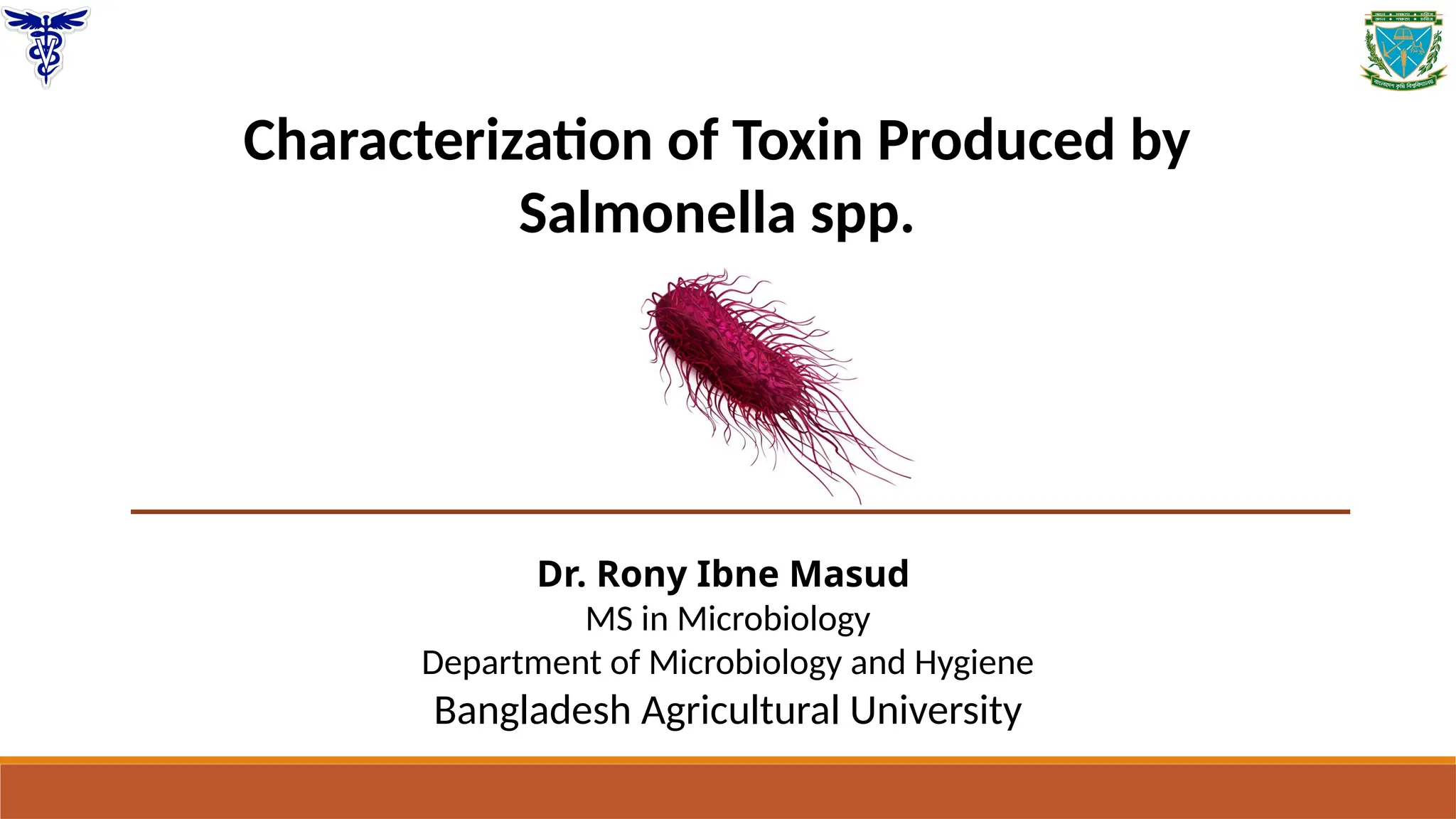
Salmonella is the living organism (the bacterium). Toxins are the chemical proteins the bacterium produces and secretes into the host’s body. The bacterium is the “factory,” and the toxins are the “products” used to attack the host.
Can antibiotics kill these toxins?
Antibiotics kill the bacteria that produce the toxins, but they do not neutralize toxins that have already been released into the bloodstream or tissues. This is why the discovery of these toxins is so important for developing specific anti-toxin treatments.
How long did it take to find these toxins?
While the bacteria have always had them, the identification happened rapidly once the researchers applied high-throughput genomic sequencing and bioinformatics, a process that takes a fraction of the time required for traditional laboratory observation.
The mapping of the Salmonella genome continues to evolve, with researchers now focusing on how these 45 toxins interact in combination to overcome human immunity. As genomic databases grow, the ability to predict and prevent foodborne outbreaks moves closer to a real-time capability, shifting the focus from treating infections to preventing them through genetic surveillance.
