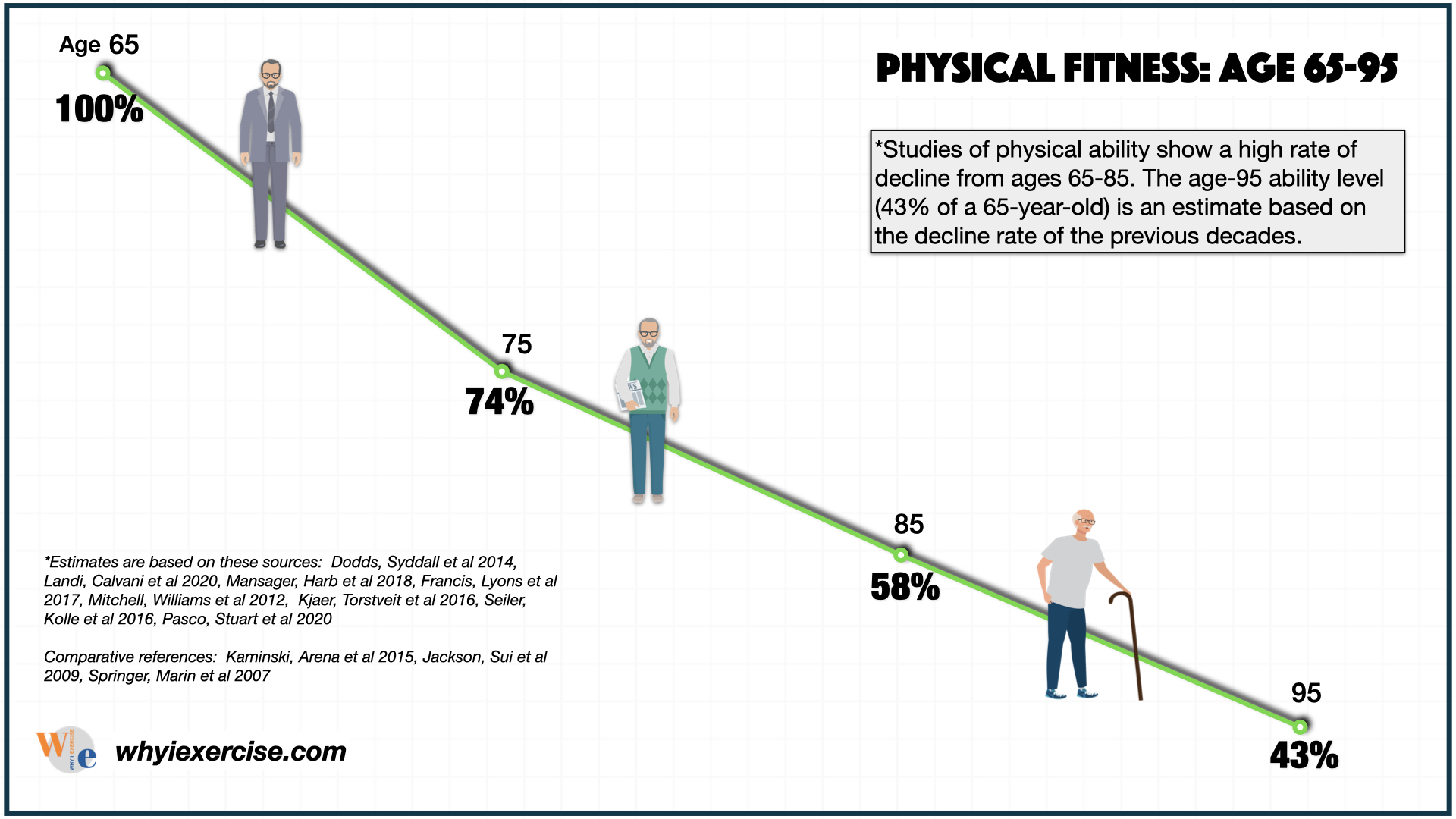
Research Shows There Is a Specific Age When Your Strength and Fitness Start to Decline – Verywell Health
New research indicates a specific physiological tipping point where muscle strength and cardiovascular fitness begin to decline. According to data analyzed by Verywell Health, this decline is not a linear process but often accelerates at specific age markers, though targeted lifestyle interventions can significantly alter the biological trajectory of aging.
When Does the Decline in Strength and Fitness Actually Begin?
Physical decline does not happen at the same rate for everyone, but research identifies specific windows where the body’s ability to maintain muscle mass and aerobic capacity drops. While many assume fitness loss is a gradual slope starting at 60, reporting from Verywell Health highlights that the physiological foundations for this decline often begin much earlier, sometimes as early as the 30s.
The process is characterized by a shift in how the body handles protein synthesis and oxygen utilization. For many adults, the first noticeable signs are not a total loss of strength, but a decrease in the rate of recovery and a slower response to new training stimuli. This “tipping point” varies based on genetics and baseline activity, but the biological machinery begins to shift long before clinical frailty appears.
Key markers of this decline include:
- Sarcopenia: The age-related loss of skeletal muscle mass and quality.
- VO2 Max Reduction: A decrease in the maximum amount of oxygen the body can utilize during intense exercise.
- Neuromuscular Efficiency: A slowing of the communication between the brain and muscle fibers, reducing explosive power.
The Biology Behind the Fitness Tipping Point
The decline in strength and fitness is driven by a combination of hormonal shifts and cellular degradation. According to medical research, the endocrine system plays a primary role. In men, the gradual decline of testosterone reduces the body’s ability to build and maintain muscle tissue. In women, the transition through menopause leads to a sharp drop in estrogen, which is critical for maintaining bone density and muscle function.
At a cellular level, the mitochondria—the powerhouses of the cell—become less efficient. This means that even if a person maintains their workout routine, the cells may not produce energy as effectively as they did in their 20s. This mitochondrial decay contributes directly to the decline in VO2 max, making cardiovascular activities feel more strenuous over time.
“The decline in physical capacity is not merely a result of inactivity, but a systemic biological shift that affects how muscles respond to stress and how the heart pumps oxygenated blood.”
The Role of Sarcopenia
Sarcopenia is the clinical term for the loss of muscle mass. Research shows that after the age of 30, adults can lose between 3% and 8% of their muscle mass per decade. This rate accelerates significantly after age 60. This loss is not uniform; fast-twitch muscle fibers, which are responsible for power and speed, tend to atrophy faster than slow-twitch fibers, which handle endurance.
Cardiovascular Decay and VO2 Max
Fitness is often measured by VO2 max. Data suggests that aerobic capacity declines by roughly 10% per decade after the age of 25. This is caused by a combination of a decrease in maximum heart rate and a reduction in the muscles’ ability to extract oxygen from the blood. When these two factors combine, the “fitness ceiling” lowers, meaning the highest level of exertion a person can achieve drops regardless of their current activity level.

Comparison of Decline Patterns: Linear vs. Accelerated
Medical professionals distinguish between two types of physical decline: the gradual, linear loss experienced by active individuals and the accelerated “cliff” experienced by sedentary populations. The following table outlines the differences in how these declines manifest.
| Metric | Linear Decline (Active) | Accelerated Decline (Sedentary) |
|---|---|---|
| Muscle Mass | Slow attrition; partially offset by training. | Rapid loss of lean tissue; replaced by adipose (fat). |
| VO2 Max | Gradual dip; maintained via zone 2/5 training. | Sharp drop; leads to early shortness of breath. |
| Recovery Time | Increased slightly; manageable with sleep/nutrition. | Significant increase; high risk of injury. |
| Metabolic Rate | Stable or slightly decreased. | Significant drop, leading to weight gain. |
Why This Specific Age Window Matters for Long-Term Health
Identifying the age when decline begins is not about predicting failure, but about timing intervention. The “critical window” is the period just before the decline accelerates. If a person implements strength and cardiovascular training before the steep drop-off, they build a “physiological reserve.”
A higher physiological reserve means that when the inevitable decline of old age occurs, the person starts from a much higher peak. For example, an individual who enters their 60s with the muscle mass of a 40-year-old will remain functionally independent much longer than someone who entered their 60s at a baseline level of fitness.
The implications extend beyond the gym. Muscle mass is a primary metabolic organ. Loss of muscle leads to insulin resistance, which increases the risk of Type 2 diabetes. Furthermore, the loss of strength in the lower body is the leading predictor of falls and hip fractures in older adults, which are often the catalyst for a permanent decline in quality of life.
Impact on Metabolic Health
Muscle tissue is metabolically active, meaning it burns calories even at rest. As muscle mass declines, the basal metabolic rate (BMR) drops. This creates a vicious cycle: the body burns fewer calories, leading to fat gain, which further reduces mobility and discourages exercise, accelerating the loss of more muscle.
The Cognitive Connection
Recent studies have linked physical fitness—specifically cardiovascular health—to cognitive preservation. The same mechanisms that deliver oxygen to the muscles deliver oxygen to the brain. A decline in VO2 max is often mirrored by a decline in executive function and memory, suggesting that the “fitness tipping point” may also be a “cognitive tipping point.”

How to Mitigate and Reverse Strength and Fitness Loss
While biological aging is inevitable, the rate of decline is highly malleable. Research indicates that specific types of training can not only slow the decline but, in some cases, reverse it by triggering muscle hypertrophy and improving mitochondrial density.
Resistance Training as a Primary Intervention
Weightlifting is the most effective tool against sarcopenia. To trigger muscle growth in older adults, the intensity must be sufficient to recruit high-threshold motor units. This means lifting weights that are challenging—typically 60% to 80% of a person’s one-rep maximum.
- Compound Movements: Squats, deadlifts, and presses engage multiple joints and recruit the most muscle fibers.
- Progressive Overload: Gradually increasing weight or repetitions is necessary to force the body to adapt and grow.
- Frequency: Two to three full-body sessions per week are generally sufficient to maintain or increase muscle mass in adults over 40.
Optimizing Cardiovascular Health
To combat the decline in VO2 max, a polarized training approach is recommended. This involves a mix of low-intensity steady-state (LISS) exercise and high-intensity interval training (HIIT).
LISS, often called “Zone 2” training, improves the efficiency of mitochondria and the heart’s stroke volume. HIIT, on the other hand, pushes the heart to its maximum capacity, which is the only way to effectively raise the VO2 max ceiling. Combining these two methods prevents the cardiovascular “plateau” that often occurs in middle age.
The Role of Protein and Nutrition
Nutrition becomes more critical as the body becomes “anabolic resistant.” This means that older muscles require more protein to trigger the same growth response that a younger person would get from a smaller amount. According to nutritional guidelines, adults facing muscle decline should aim for higher protein intake—often between 1.2 and 2.0 grams of protein per kilogram of body weight.
Leucine, an amino acid found in whey, eggs, and soy, is particularly important because it acts as a chemical signal to start muscle protein synthesis. Without adequate leucine and total protein, exercise can actually lead to further muscle loss in some older adults.
Common Misconceptions About Aging and Fitness
Many people accept physical decline as an inevitable part of the calendar. However, scientific data suggests that much of what we call “aging” is actually “disuse atrophy.”
Misconception: “Heavy lifting is dangerous for older adults.”
In reality, the danger lies in not lifting. Weak muscles and brittle bones make falls more likely and more severe. When performed with proper form, heavy resistance training is safe and essential for maintaining bone density and joint stability.
Misconception: “Walking is enough to maintain fitness.”
While walking is excellent for general health, it does not provide the intensity required to maintain muscle mass or increase VO2 max. Walking is a maintenance activity, not a growth activity. To stop the decline, the body needs a stimulus that exceeds its current capacity.
Misconception: “You can’t build muscle after 50.”
Hypertrophy is possible at almost any age. While the process is slower than it is at 20, studies on older adults show that they can still gain significant muscle mass and strength when provided with adequate protein and a structured resistance program.
Integrating These Findings Into a Long-Term Strategy
Managing the decline in strength and fitness requires a shift in perspective from “staying active” to “training for longevity.” This means moving away from generic exercise and toward a goal-oriented approach that targets the specific biological vulnerabilities of aging.
A comprehensive strategy includes:
- Baseline Testing: Measuring current grip strength, VO2 max, and lean muscle mass to identify where the decline is most prominent.
- Prioritizing Strength: Ensuring resistance training is the foundation of the routine, as muscle is the hardest component to regain once lost.
- Monitoring Recovery: Adjusting volume and intensity based on sleep and nutrition, as the recovery window widens with age.
- Consistent Protein Intake: Distributing protein intake across the day to keep muscle protein synthesis elevated.
By treating physical fitness as a hedge against the biological tipping point, individuals can effectively push back the onset of frailty and maintain a high level of function well into their later decades. The research reported by Verywell Health serves as a reminder that while the clock is ticking, the speed of the clock is largely under our control.
Frequently Asked Questions
At what exact age does muscle loss start?
While it varies by individual, research suggests that muscle mass begins a gradual decline around age 30. This process, known as sarcopenia, typically accelerates after age 60, but the biological groundwork is laid decades earlier.
:max_bytes(150000):strip_icc()/VWH-GettyImages-2155324494-bbb622404d6b4ced992421f175be96f8.jpg "At what exact age does muscle loss start?")
Can you reverse the decline in VO2 max?
Yes. While the maximum heart rate naturally decreases with age, VO2 max can be improved through a combination of Zone 2 endurance training and high-intensity interval training (HIIT), which improves both heart efficiency and muscle oxygen utilization.
Is protein more important than exercise for stopping strength loss?
Neither is sufficient on its own. Exercise provides the stimulus for muscle growth, but protein provides the building blocks. Without resistance training, extra protein will not build muscle; without protein, resistance training can lead to muscle breakdown.
What is the most effective exercise for someone over 50 to prevent decline?
Compound resistance exercises—such as squats, rows, and presses—are most effective because they recruit the largest amount of muscle mass and stimulate the greatest hormonal response.
Does the “tipping point” apply to everyone regardless of their fitness level?
The biological tendency toward decline is universal, but the starting point and the rate of decline differ. Those with a high baseline of fitness (a larger “physiological reserve”) will experience the decline from a higher peak, meaning they remain functionally fit for longer.
For those looking for a deeper dive into metabolic health, a related explainer on insulin resistance may provide more context on how muscle loss affects blood sugar regulation.
