
SA Rugby Confirms Match Official Appointments Through 27 June 2026
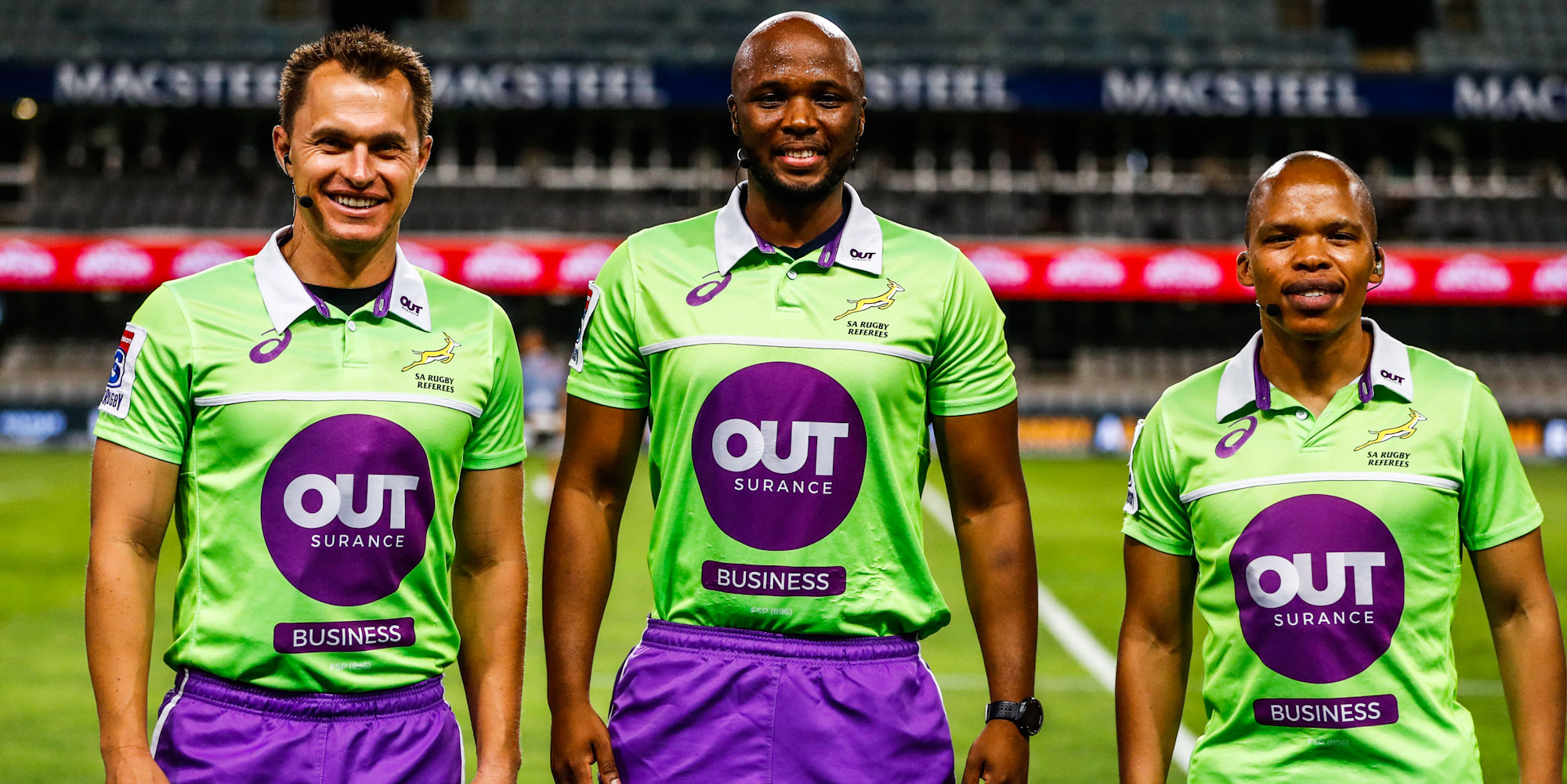
SA Rugby has finalized its match official appointments for the schedule leading to 27 June 2026, designating the referees, assistant referees, and Television Match Officials (TMOs) for the upcoming slate of fixtures. According to South African Rugby Union (SARU) protocols, these appointments ensure that high-stakes domestic and international matches are managed by officials meeting World Rugby’s stringent performance criteria.
How SA Rugby Determines Match Official Appointments
The selection of match officials for the period ending 27 June 2026 follows a tiered evaluation system managed by SARU in conjunction with World Rugby. Officials are not assigned randomly; instead, they are slotted based on a performance index that tracks accuracy, consistency, and game management. For international fixtures, World Rugby oversees the appointment of the neutral referee, while SARU provides the assistant referees and TMOs for matches hosted on South African soil.
The appointment process prioritizes several key metrics:
- Performance Ratings: Post-match reports from independent assessors determine if an official moves up or down the appointment ladder.
- Experience Levels: High-profile “Test” matches require officials with a minimum number of professional caps in sanctioned competitions.
- Neutrality: For international tests, the head referee cannot be from any of the participating nations to avoid conflicts of interest.
- Specialization: TMOs are selected based on their ability to navigate complex video review protocols under time pressure.
“The integrity of the game relies on the precision of the officiating crew. Every appointment is a reflection of a referee’s ability to maintain the flow of the game while adhering strictly to the laws of rugby,” according to SARU officiating guidelines.
The Significance of the June 2026 Window
The date of 27 June 2026 marks a critical juncture in the international rugby calendar. June is traditionally the peak of the mid-year international window, where Southern Hemisphere nations host Northern Hemisphere giants. These matches serve as vital benchmarks for team rankings and tactical preparation ahead of major tournaments.
Because these matches carry immense weight, the officials appointed to the June 27 window are typically the highest-ranked individuals in the global pool. A single decision by a referee or a TMO during this window can influence a team’s world ranking and their psychological momentum heading into the latter half of the year.
The Role of the Television Match Official (TMO)
By June 2026, the role of the TMO has evolved from a secondary consultant to a primary decision-maker in specific scenarios. Under current World Rugby directives, TMOs are tasked with overseeing “try-scoring” phases and “serious foul play.” The appointments for the June 27 fixtures include specialists trained in the latest “bunker system,” which allows for a separate official to review red-card incidents without disrupting the live game flow.
Assistant Referees and the Offside Line
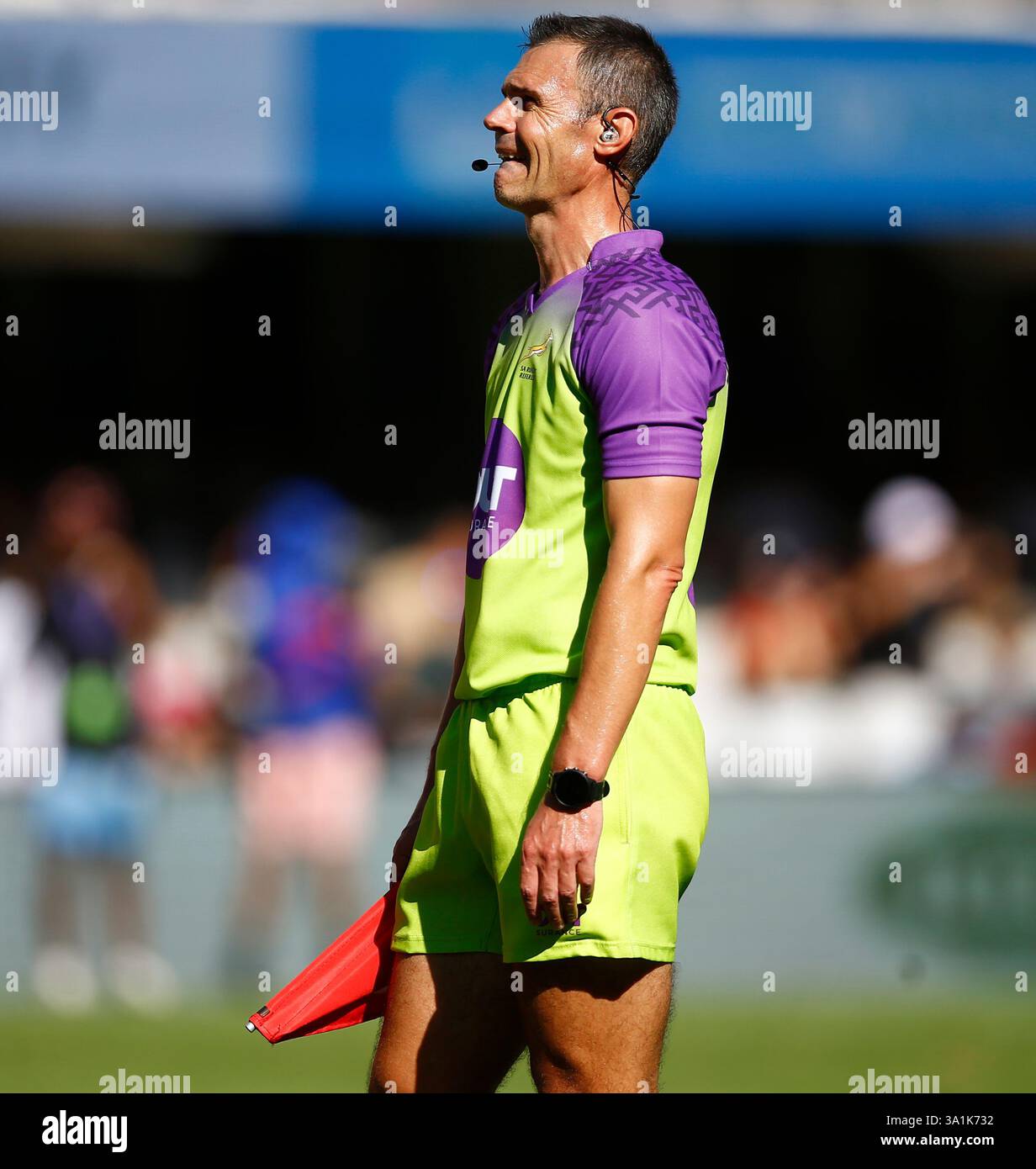
Assistant referees for the June 2026 appointments are focused heavily on the accuracy of the offside line and touch-line calls. As the speed of the game increases, SARU has emphasized the need for assistants who can communicate instantaneously with the head referee via encrypted headsets, reducing the time taken for decision-making.
Comparing Appointment Standards: SA Rugby vs. Global Peers
The way SA Rugby handles its appointments differs slightly from other major unions like New Zealand Rugby (NZR) or the Rugby Football Union (RFU) in England. While all follow World Rugby’s overarching laws, the internal promotion paths vary.
| Feature | SA Rugby (SARU) | World Rugby Standard | Other Major Unions (General) |
|---|---|---|---|
| Selection Basis | Performance Index + Experience | Global Ranking Panel | Regional Performance Metrics |
| TMO Integration | High (Bunker System Focus) | Standardized Protocol | Variable by Competition |
| Neutrality Req. | Mandatory for Tests | Strict International Rule | Mandatory for Tests |
SARU has historically placed a heavier emphasis on the physical fitness of officials, requiring referees to pass rigorous aerobic tests to keep pace with the Springboks’ aggressive defensive lines. This physical requirement is a prerequisite for any official appearing on the appointment list for the June 2026 window.
Potential Challenges in Official Appointments
No appointment list is without risk. The primary challenge facing SA Rugby for the period ending 27 June 2026 is the balance between promoting young talent and relying on veteran experience. If the union promotes too many inexperienced officials to high-pressure matches, they risk inconsistent officiating that can lead to player frustration and public scrutiny.
Additionally, the “human element” of officiating remains a point of contention. Despite the aid of TMOs and Hawk-Eye technology, the head referee still makes subjective calls on penalties at the breakdown. SARU manages this by implementing a “review and feedback” loop, where officials are briefed on their errors immediately following the match to ensure the same mistake is not repeated in the next appointed fixture.
Common Misconceptions About Appointments
Many fans believe that referees are “assigned” to teams they favor or that certain officials are “blacklisted” by unions. However, official records show that appointments are driven by data. The World Rugby Global Panel uses a blinded scoring system where assessors from different countries grade a referee’s performance. This prevents any single union from unfairly inflating or deflating a referee’s standing.
The Impact of Officiating on Game Strategy
Teams often adjust their tactics based on the specific official appointed to their match. A referee known for a “strict” interpretation of the breakdown—penalizing any player who does not immediately roll away—forces teams to play a cleaner, faster game. Conversely, a referee who allows more contest at the ruck favors teams with powerful forwards who can win turnovers.
For the matches leading up to 27 June 2026, coaching staffs will analyze the appointment lists to determine their approach. This includes:
- Set-piece Strategy: Understanding if a referee is likely to penalize the scrum early or allow a “push and shove” contest.
- Discipline Management: Briefing players on the specific tendencies of the official regarding yellow cards for high tackles.
- Communication: Establishing how the captain will interact with the referee to influence the game’s tempo.
This strategic layer makes the publication of match official appointments a high-priority event for professional rugby analysts and team managers alike. related explainer on World Rugby officiating standards
Timeline of the Appointment Cycle
The process leading to the June 27 appointments follows a strict chronological order to ensure all logistics—including travel and visas for neutral referees—are handled.
- Performance Review (Quarterly): Officials are graded on all domestic and regional matches.
- Draft List Generation: SARU creates a preliminary list of eligible officials based on rankings.
- World Rugby Consultation: For international tests, the global panel confirms the neutral head referee.
- Finalization: The official list is signed off by the Head of Officiating and published to the teams.
- Pre-Match Briefing: Officials meet with match commissioners to discuss specific game-management goals.
The Evolution of Official Accountability
In recent years, the transparency of match official appointments has increased. SARU now provides more context regarding the roles of the officials, and World Rugby has introduced more public-facing explanations for controversial decisions. This shift is intended to build trust with the fans and players.
By the time the June 27, 2026, fixtures conclude, the officiating crew will have undergone multiple layers of scrutiny. This accountability is not just about punishing mistakes but about evolving the laws of the game. When a specific rule—such as the 50:22 kick—is introduced, the appointment lists for the following months are filled with officials who have undergone specialized training on that specific law.
Key Points for the 2026 Cycle
- Focus on Speed: Reducing the time taken for TMO reviews to keep the game moving.
- Consistency: Ensuring that a penalty in a domestic match is called the same way in an international test.
- Physicality: Maintaining peak athletic condition to ensure officials are in the correct position for every call.
Frequently Asked Questions
Who decides the match official appointments for SA Rugby?
Domestic appointments are managed by the South African Rugby Union (SARU). For international Test matches, the head referee is appointed by World Rugby to ensure neutrality, while SARU appoints the assistant referees and the TMO for matches played in South Africa.
Why is the date 27 June 2026 significant?
June 27 falls at the end of the mid-year international rugby window. This is a period of high-intensity matches where Southern Hemisphere teams host Northern Hemisphere teams, making the officiating appointments critical for world rankings and tournament preparation.
What happens if an appointed official is unavailable?
SARU and World Rugby maintain a “reserve list” of qualified officials. If a primary official is injured or unable to travel, a replacement from the same performance tier is appointed to ensure the quality of officiating remains consistent.
How does the TMO influence the appointments?
TMOs are appointed based on their technical expertise with video review software and their ability to make rapid, accurate decisions. Their performance is tracked separately from the on-field referee, and only those with high accuracy ratings are appointed to major June fixtures.
Can a team protest the appointment of a referee?
While teams cannot formally “block” an appointment, they can provide feedback to the union regarding previous experiences. However, appointments are based on objective performance data and World Rugby rankings, making it rare for an appointment to be changed based on a team’s preference.
The finalization of match official appointments to 27 June 2026 ensures that the technical and athletic standards of the game are upheld. As rugby continues to evolve in speed and complexity, the reliance on a highly trained, data-backed officiating crew becomes the cornerstone of the sport’s professional integrity. guide to the 2026 International Rugby Calendar
