
African Union Commission Chairperson Moussa Faki is facing criticism for his close diplomatic alignment with French President Emmanuel Macron, according to regional reports. The scrutiny centers on whether the AU is acting as a tool for France’s “New Global Financing Pact” rather than advocating for independent African interests.
-
Fast Facts
- Key Figures: Moussa Faki (AU Commission Chair) and Emmanuel Macron (President of France).
- Central Event: The Summit for a New Global Financing Pact.
- Core Dispute: Allegations that the AU leadership serves as a diplomatic relay for the French presidency.
- Geopolitical Context: Declining French influence in the Sahel region.
The Role of the African Union in France’s Financial Pact
The tension stems from Moussa Faki‘s support for the “New Global Financing Pact,” an initiative led by Emmanuel Macron to reform international debt and financing structures. According to regional analysis, Faki’s participation was not merely collaborative but functioned as a validation of Macron’s leadership on the global stage.
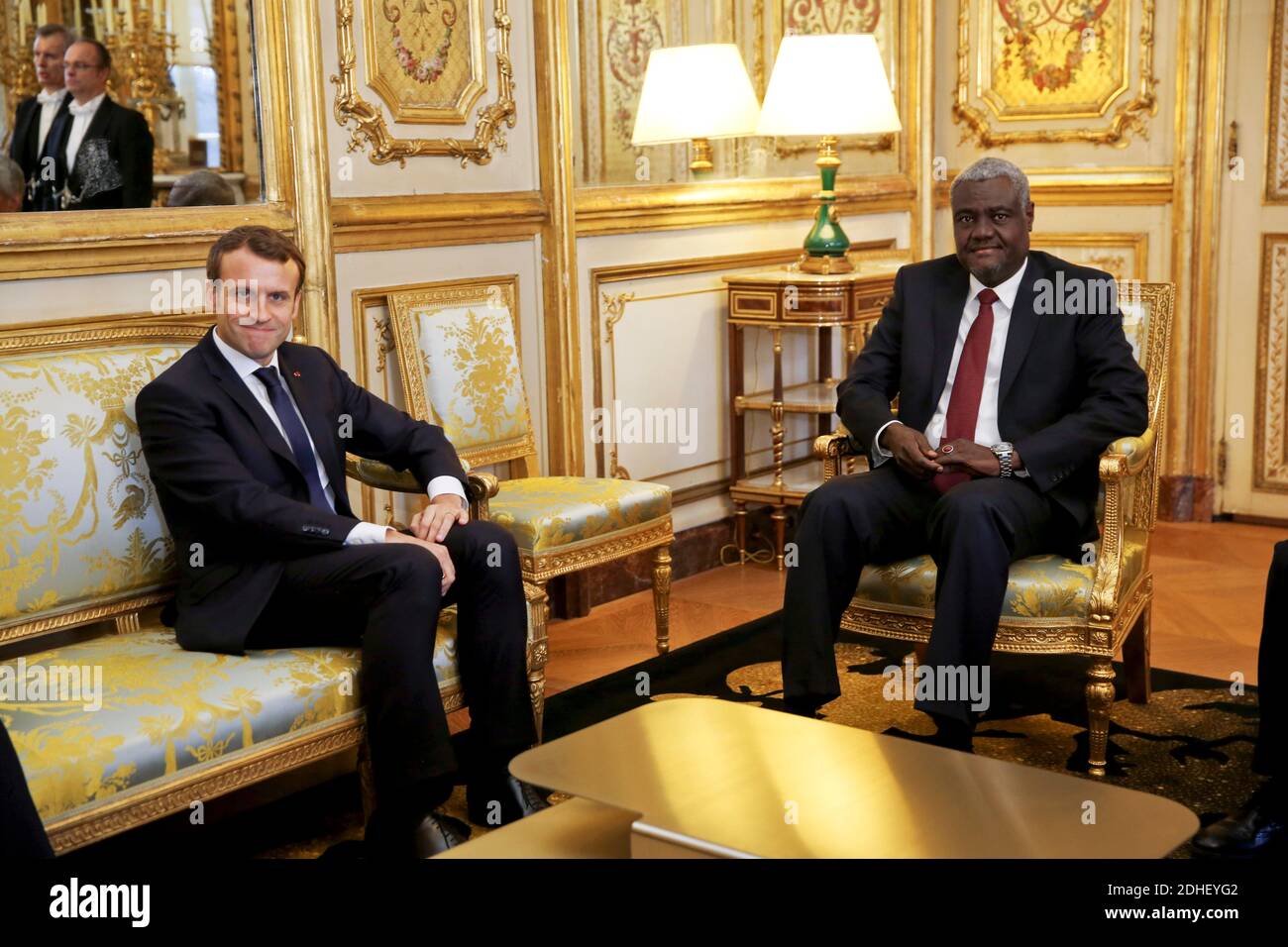
Reports suggest that the AU Chairperson’s role during these diplomatic maneuvers was to provide a veneer of African consensus for a French-driven agenda. This alignment is viewed by critics as a strategic move by Paris to maintain its image as a primary interlocutor for the continent despite growing hostilities in several African states.
The “Macron Machine” and Diplomatic Influence
Observers describe the current diplomatic dynamic as a "machin macronien", or a Macronian machine, designed to project French influence through the AU’s institutional framework. This apparatus allegedly uses Moussa Faki as a conduit to ensure that African positions on global finance align with the goals of the Élysée Palace.
The relationship is characterized not as a partnership of equals, but as a mechanism where the AU leadership echoes the priorities of the French presidency to maintain diplomatic relevance.
This perceived subservience contradicts the African Union’s stated goal of “African solutions to African problems,” suggesting instead that the organization’s leadership remains susceptible to the legacy of French influence in the region.
France’s Diminishing Influence in the Sahel
The reliance on Moussa Faki to project influence occurs as France faces a sharp decline in its regional standing. Military and political withdrawals from the Sahel—specifically in Mali, Burkina Faso, and Niger—have left a vacuum that France has struggled to fill through traditional diplomacy.
According to regional reports, the contrast is stark: while Emmanuel Macron seeks to lead global conversations on African finance through the AU, his administration’s actual footprint in West Africa is shrinking. This gap between diplomatic rhetoric and geopolitical reality has intensified the critique of Faki’s alignment with Paris.
