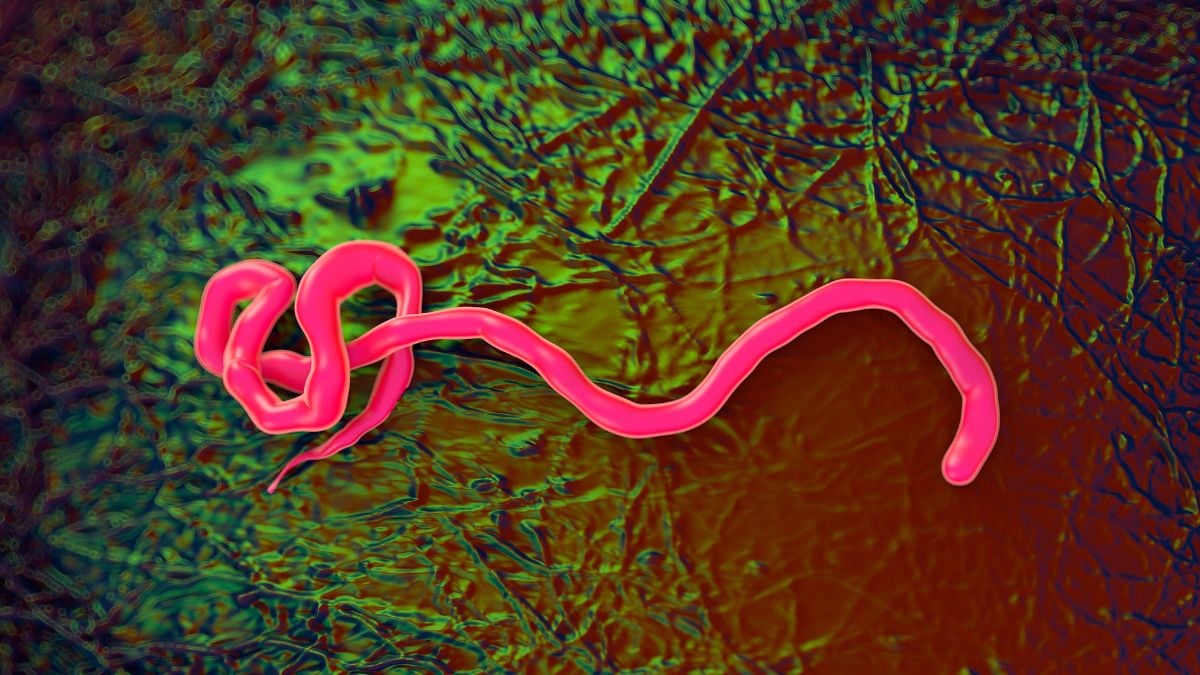
First Ebola Case Outside Africa in 2026 Outbreak Confirmed in France
French health authorities have confirmed the first case of Ebola outside Africa during the 2026 outbreak, according to reports from the BBC and mediaselangor.com. The patient is a physician who recently returned to France after working in the Democratic Republic of the Congo. The World Health Organization (WHO) has warned that the broader outbreak is currently outpacing the global response.
Who is the patient and how did the virus reach Europe?
The first confirmed case of the 2026 Ebola outbreak outside of Africa is a doctor who had been deployed to the Democratic Republic of the Congo (DRC), according to mediaselangor.com. The individual developed symptoms after returning to France, leading to immediate isolation and confirmation of the virus.
Healthcare workers face the highest risk of infection during Ebola outbreaks due to direct contact with the bodily fluids of infected patients. According to reports from Inbox.eu, the arrival of the virus in Europe marks a significant escalation in the geographic reach of the current outbreak. French medical officials have placed the patient in a high-level isolation unit to prevent community transmission.
The transition of the virus from an endemic region in Africa to a European capital highlights the challenges of containment in an era of global travel. While the case is currently limited to a single individual, the incident has triggered emergency protocols within the French healthcare system to identify and monitor any potential contacts the physician may have had since landing.
Why does the WHO claim the outbreak is outpacing the response?
The Director-General of the World Health Organization stated that the current Ebola outbreak is outpacing the international response, according to A News. This indicates that the rate of new infections is exceeding the speed at which health organizations can deploy resources, administer vaccines, and isolate patients.
When an outbreak “outpaces” a response, several systemic failures are typically occurring:
- Transmission Speed: The virus is spreading through populations faster than contact tracers can map the chains of infection.
- Resource Gaps: There is a shortage of Personal Protective Equipment (PPE) or trained medical personnel in the epicenters of the outbreak.
- Logistical Barriers: Difficulty in transporting vaccines or therapeutic treatments to remote regions in the DRC.
- Community Resistance: Local mistrust of medical interventions can lead to hidden cases, which then fuel further transmission.
The WHO chief’s warning suggests that without a surge in international funding and personnel, the risk of further international cases—similar to the one confirmed in France—will increase.
What are the symptoms and transmission risks of Ebola?
Ebola virus disease (EVD) is a severe, often fatal illness caused by infection with one of the Ebola virus species. It is a zoonotic virus, meaning it is transmitted from animals to humans, and then spreads through human-to-human transmission.

According to medical standards, the virus spreads through direct contact with:
- Blood or body fluids (such as saliva, sweat, vomit, feces, urine, or semen) of a person who is sick with or has died from Ebola.
- Objects contaminated with body fluids, such as needles or medical equipment.
- Infected fruit bats or primates.
The incubation period—the time from infection to the onset of symptoms—ranges from 2 to 21 days. A person is not contagious until they develop symptoms. This window is why the doctor’s return to France was a critical point of risk; the virus may have remained dormant during the flight and initial hours of arrival.
Common Symptoms of Ebola Virus Disease
The progression of the disease typically follows a specific pattern, starting with “dry” symptoms and progressing to “wet” symptoms.
| Stage | Common Symptoms | Clinical Significance |
|---|---|---|
| Early Stage (Dry) | Fever, severe headache, muscle pain, joint aches, sore throat | Often mimics malaria or typhoid, leading to diagnostic delays. |
| Advanced Stage (Wet) | Vomiting, diarrhea, rash, impaired kidney and liver function | Highest period of contagiousness due to fluid loss. |
| Critical Stage | Internal and external bleeding (hemorrhaging), organ failure | High mortality rate without immediate supportive care. |
How does the 2026 outbreak compare to previous Ebola crises?
The current situation in France and the DRC differs from previous outbreaks in terms of response capabilities and the availability of medical countermeasures. During the 2014-2016 West Africa outbreak, the world lacked approved vaccines and specific therapeutics, leading to over 11,000 deaths.
In the 2026 context, the medical community has access to Ervebo, a highly effective vaccine, and monoclonal antibody treatments that have significantly lowered mortality rates when administered early. However, as the WHO chief noted via A News, the availability of these tools does not guarantee success if the logistical response cannot keep up with the virus’s spread.
The case in France is a “imported case,” meaning the person contracted the virus abroad. This is distinct from “community transmission,” where the virus begins spreading between people who have not traveled to an affected area. To date, there are no reports of community transmission within France.
Related explainer on global pandemic preparedness protocols.
What are the protocols for managing Ebola in Europe?
When a case of Ebola is confirmed in a non-endemic region like France, health authorities trigger a strict set of containment protocols to prevent a wider epidemic. These protocols are designed to create a “firewall” around the patient.
Patient Isolation
The patient is housed in a Bio-Safety Level 4 (BSL-4) equivalent environment. This includes specialized ventilation systems that filter air through HEPA filters to ensure no viral particles escape the room. Medical staff entering the unit must wear full-body pressurized suits with independent air supplies.

Contact Tracing
Epidemiologists conduct a “backward and forward” trace:
- Backward Trace: Identifying exactly where the doctor was in the DRC and who they were in contact with to understand the source of infection.
- Forward Trace: Identifying every person the doctor encountered from the moment they left the DRC until they were isolated in France. This includes flight crews, airport staff, and family members.
Monitoring and Quarantine
Contacts are typically monitored for 21 days. If a contact develops even a low-grade fever, they are immediately isolated. This rigorous monitoring is the primary reason why imported cases of Ebola rarely lead to large-scale outbreaks in developed nations.
The role of the Democratic Republic of the Congo in the 2026 outbreak
The DRC remains the primary epicenter of the 2026 outbreak. The region’s geography and political climate often complicate health responses. Dense rainforests make it difficult to transport vaccines, while conflict in certain provinces can displace populations, forcing them into crowded conditions where the virus spreads more easily.

According to WHO data, the DRC has dealt with multiple Ebola outbreaks over the last decade, making the local health infrastructure experienced but exhausted. The fact that a physician—a trained professional—contracted the virus underscores the extreme virulence of the current strain and the dangers faced by frontline workers.
The interaction between zoonotic reservoirs (animals) and human settlements in the DRC continues to be the primary driver of new outbreaks. Health officials continue to urge populations to avoid contact with dead animals and practice safe burial rituals, as traditional funeral practices involving the washing of the body are a major source of transmission.
Common misconceptions about Ebola transmission
As news of the case in France spreads, it is important to clarify how the virus actually behaves to avoid unnecessary panic.
Misconception: Ebola is airborne.
Contrary to some social media claims, Ebola is not an airborne virus like influenza or COVID-19. It cannot be spread through casual breathing or coughing in a public space. It requires direct contact with infected fluids.
Misconception: Anyone who travels to Africa is at risk.
Ebola is not present across the entire African continent. It is concentrated in specific regions, primarily in Central and West Africa. Travelers to countries without active outbreaks are not at risk of contracting the virus.
Misconception: Ebola is always fatal.
While Ebola has a high mortality rate, it is not a death sentence. With modern supportive care—including fluid replacement, oxygen, and the use of monoclonal antibodies—survival rates have increased significantly compared to the 1976 discovery of the virus.
Related explainer on the difference between viral hemorrhagic fevers.
Frequently Asked Questions
Is there a risk of an Ebola epidemic in Europe?
The risk remains low. While the case in France is concerning, European health systems have advanced isolation capabilities and strict contact tracing protocols. As long as the case remains an “imported” infection and no community transmission occurs, the risk of a wider epidemic is minimal.
Can the Ebola vaccine prevent infection for travelers?
Yes, vaccines like Ervebo have shown high efficacy in preventing Ebola. However, these are typically reserved for people at high risk, such as healthcare workers in outbreak zones or “ring vaccination” targets (people who have been in contact with a confirmed case).
How long is a person contagious with Ebola?
A person is only contagious once they begin showing symptoms. They remain contagious as long as the virus is present in their bodily fluids. Even after recovery, the virus can persist in certain “immune-privileged” sites, such as the eyes or semen, requiring ongoing screening.
What should I do if I have traveled to the DRC recently?
According to health guidelines, any traveler returning from an active Ebola zone should monitor their temperature daily for 21 days. If a fever or any other symptoms develop, they should contact a healthcare provider immediately and disclose their travel history before arriving at a clinic to ensure proper isolation.
Why is the 2026 outbreak described as “outpacing” the response?
This term, used by the WHO chief, means the virus is spreading faster than the medical community can contain it. This is usually due to a combination of high transmission rates in the DRC and a lack of sufficient boots-on-the-ground resources to implement vaccines and isolation quickly enough.
