
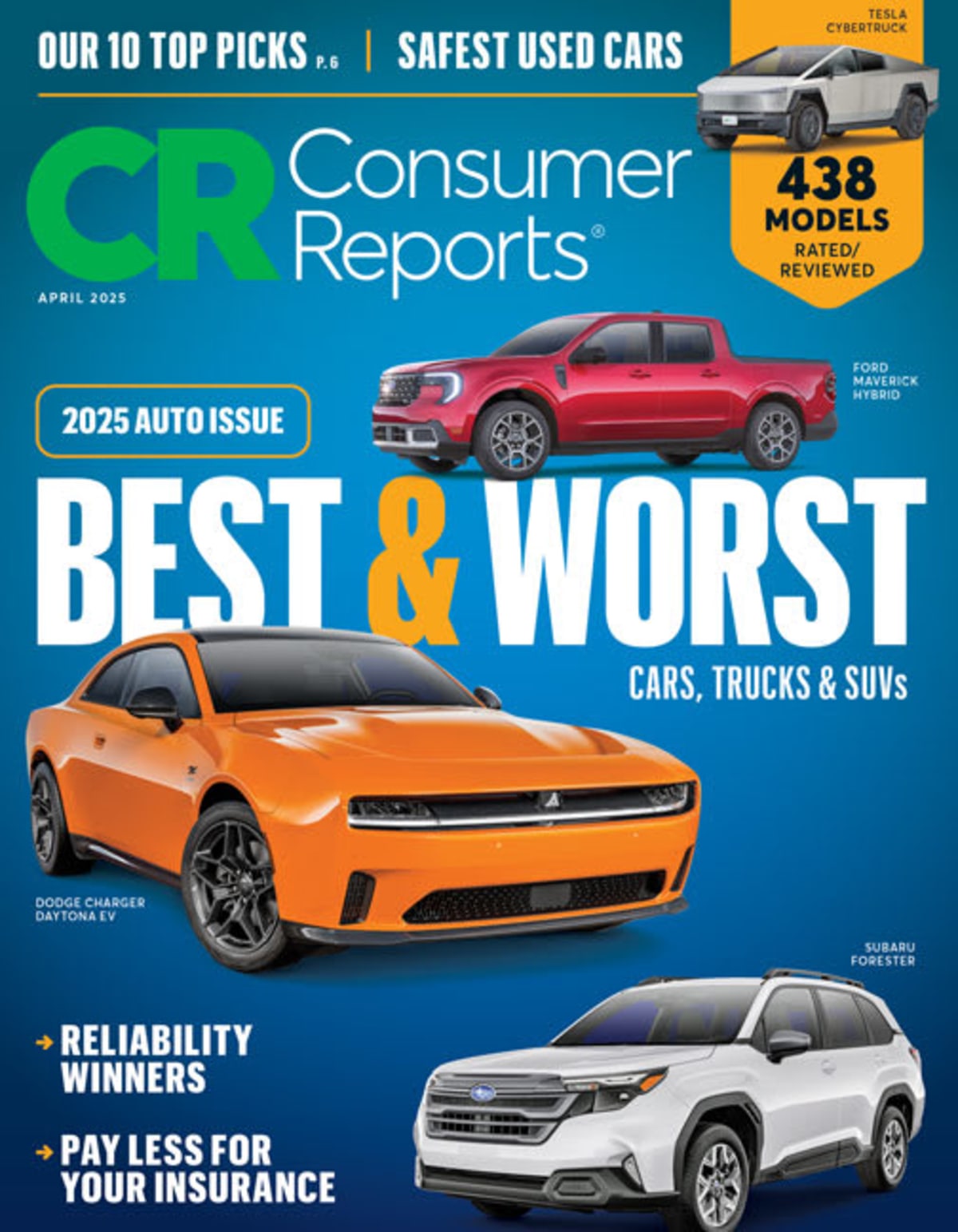
Owning a luxury car can be a status symbol, but for some models, the real financial drain comes not at the dealership but in the service bay. A new analysis from Consumer Reports reveals that certain high-end vehicles cost owners exponentially more to maintain than their mass-market counterparts, with some repairs running more than four times the average price.
The report, based on data from the repair-cost tracking platform RepairPal, highlights how proprietary components, specialized diagnostics, and complex engineering in premium brands translate to steep repair bills. For example, replacing a starter in an Audi RS5 costs $2,708—more than four times the $630 average for similar repairs across other vehicles. The Mercedes-Benz GL63 AMG follows closely with a $2,695 starter replacement, while even routine maintenance like air conditioning compressor repairs or timing belt replacements can push costs into the thousands for these models.
The Hidden Costs of Luxury Engineering
Consumer Reports attributes the price disparities to several factors inherent in luxury vehicles:
- Proprietary Parts: Many high-end brands use unique components that aren’t interchangeable with other models, limiting aftermarket options and driving up dealer markups.
- Specialized Diagnostics: Dealerships often require proprietary software or training to service these vehicles, adding labor costs that independent shops can’t match.
- Complex Access: Aerodynamic designs, carbon fiber panels, or reinforced structures in performance models mean disassembling large sections of the car—sometimes entire body panels—to reach even minor components.
- Material Premiums: High-performance alloys, titanium hardware, or specialized coatings in luxury interiors add to part costs and repair complexity.
The analysis suggests that owners of these vehicles may face repair bills that quickly erase the initial purchase price savings—especially after warranties expire. For instance, a $50,000 luxury SUV might require $10,000 or more in repairs over five years, turning what seemed like a premium purchase into a long-term financial burden.
Which Models Top the Repair Cost Leaderboard?
While the full list of 10 most expensive models wasn’t provided in the source, Consumer Reports’ data underscores a troubling trend: the more exclusive or performance-oriented the vehicle, the higher the repair costs. The report warns potential buyers to factor in these hidden expenses when evaluating whether a luxury car’s prestige justifies its total cost of ownership.
What So for Buyers and the Industry
For consumers, the takeaway is clear: the allure of a luxury brand’s nameplate doesn’t guarantee long-term savings. Owners should research repair histories, consider extended warranties, and weigh whether the car’s features justify the potential maintenance costs. Meanwhile, automakers face pressure to address these disparities—either by simplifying designs, offering more transparent pricing, or improving aftermarket support.
As electric and autonomous vehicles introduce new layers of complexity, the repair cost gap between luxury and mainstream models may widen further. For now, the Consumer Reports analysis serves as a cautionary tale for anyone considering a high-end vehicle, reminding buyers that the true cost of ownership extends far beyond the sticker price.
