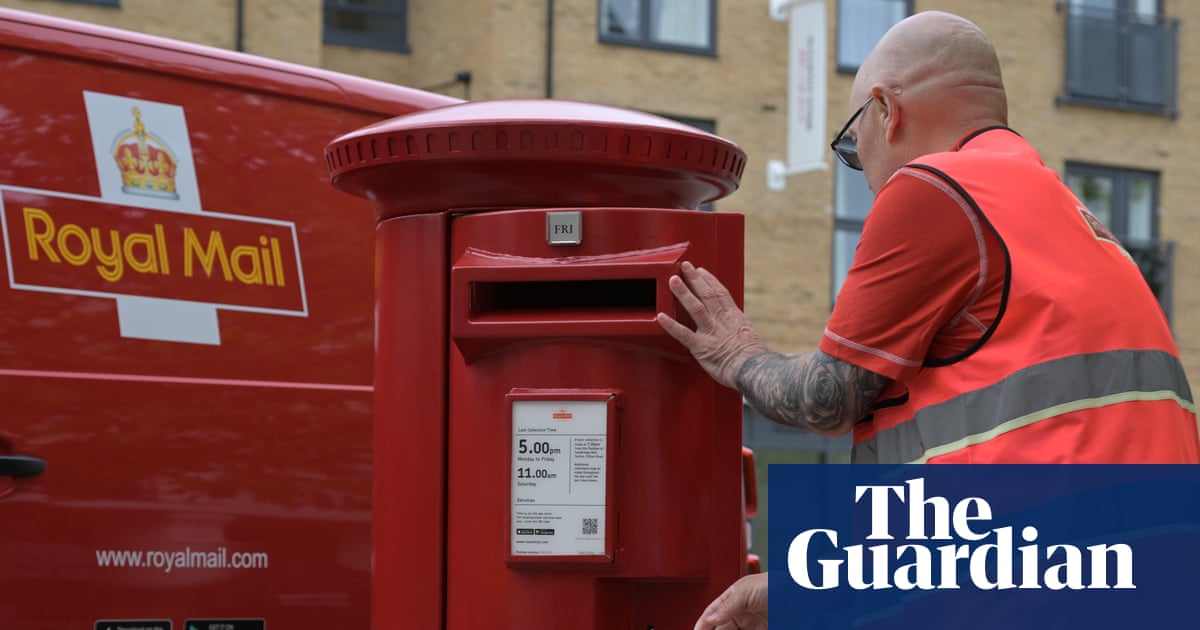
Royal Mail Boss’s Pay Package Triples to £6.9m Despite Profits Slide
Royal Mail’s chief executive received a total remuneration package of £6.9 million, a figure that tripled compared to previous periods, according to company financial disclosures. This pay increase occurred alongside a slide in corporate profits, creating a stark contrast between executive compensation and the company’s financial performance.
What is the breakdown of the £6.9 million pay package?
The total compensation for the Royal Mail boss reached £6.9 million, representing a three-fold increase from the prior year. According to corporate filings, this figure is not a flat salary but a combination of base pay, performance-related bonuses, and long-term incentive plans (LTIPs). These LTIPs often consist of share awards that vest over several years, meaning the “tripling” of the package is heavily influenced by the timing of these payouts.
The remuneration committee, which determines executive pay, cited the need to retain leadership during a period of structural volatility. This justification comes as the company attempts to pivot its business model away from a declining letters market toward a more competitive parcels sector. The package includes:
- Base Salary: The fixed annual amount paid to the executive.
- Annual Bonus: Payments tied to short-term operational targets and financial metrics.
- Long-term Incentives: Stock options and share awards designed to align executive interests with shareholder value over a three-to-five-year horizon.
Industry analysts note that such spikes in pay often occur when long-term share awards from previous years reach their maturity date, regardless of the current year’s profit margins. However, the scale of the increase—from roughly £2.3 million to £6.9 million—remains a point of contention for labor representatives and corporate governance observers.
How did profits slide while executive pay increased?
The financial decline at Royal Mail is primarily driven by the systemic collapse of the letters market. According to annual reports, the volume of first- and second-class mail continues to drop as businesses and consumers shift to digital communication. This “structural decline” has eroded the traditional profit engine that sustained the company for decades.
While the company has expanded its parcels division to offset these losses, this sector is far more competitive. Royal Mail now competes directly with global giants and local couriers, leading to thinner margins. Increased operational costs, including inflation-linked wage pressures and the modernization of sorting offices, have further compressed profits.
| Metric | Previous Period | Current Period | Trend |
|---|---|---|---|
| CEO Total Pay | ~£2.3 Million | £6.9 Million | ↑ 200% Increase |
| Company Profits | Higher Baseline | Significant Slide | ↓ Declining |
| Letters Volume | Moderate Decline | Accelerated Decline | ↓ Declining |
| Parcels Volume | Growth Phase | Stagnating/Competitive | ↔ Mixed |
The disconnect between the “profits slide” and the “pay triple” suggests that the board is rewarding the process of transformation rather than the outcome of current profitability. The leadership argues that navigating a company through a fundamental industry shift requires high-level expertise that commands a market premium.
Why is the Royal Mail pay package causing controversy?
The controversy centers on the timing of the payout. The Communication Workers Union (CWU) and other labor advocates have pointed to the disparity between the £6.9 million executive package and the wage struggles of frontline postal workers. This tension has manifested in repeated industrial disputes and strikes over the past several years.

Critics argue that rewarding a chief executive with a tripled pay package while profits are falling sends a contradictory signal to employees. According to union representatives, it is difficult to justify austerity measures or modest pay rises for delivery staff when the top executive receives a multi-million-pound windfall.
“The gap between the boardroom and the sorting office has never been more apparent. To triple a boss’s pay while the company’s profits are sliding is a failure of corporate governance,” a representative for postal workers stated during a recent dispute.
From a corporate governance perspective, some shareholders have also questioned the alignment of the pay package. The UK Corporate Governance Code suggests that executive remuneration should be linked to sustainable long-term success. The question remains whether a tripled payout during a profit slump constitutes “success” or simply a generous contractual obligation.
What is the strategic justification for high executive pay at Royal Mail?
The board of Royal Mail maintains that competitive compensation is essential for attracting and keeping the talent necessary to save the business from obsolescence. The company is currently undergoing one of the most significant transformations in its history, which includes:
- Automation: Investing in massive automated sorting centers to reduce reliance on manual labor.
- Diversification: Moving from a “letter-first” to a “parcel-first” logistics provider.
- Cost Reduction: Streamlining the workforce and optimizing delivery routes to lower the cost-per-item.
The board argues that these changes are complex and risky. If the company fails to modernize, it faces a slow death as the letters market disappears. Therefore, they view the £6.9 million package as an investment in the leadership required to manage this transition. In their view, the “profits slide” is an inevitable result of the industry’s decline, not necessarily a failure of management.
This creates a “transformation paradox”: the company must pay top dollar for a leader to fix a failing business, but paying that leader during a downturn creates a public relations and labor crisis.
How does this compare to other UK corporate pay trends?
The situation at Royal Mail is not an isolated incident but reflects a broader trend in UK corporate governance where “incentive-based” pay can decouple from annual profits. In many FTSE-listed companies, long-term incentive plans (LTIPs) are tied to relative total shareholder return (TSR) rather than absolute profit. This means if Royal Mail’s shares perform better (or worse) than a peer group of other logistics companies, the CEO can still receive a massive payout even if the company’s own profits are falling.

This “relative performance” metric is often criticized for allowing executives to profit from general market upturns rather than their own specific operational success. When compared to the broader logistics sector, Royal Mail’s executive pay remains high, though it is consistent with the pay scales of other major national infrastructure entities undergoing privatization or restructuring.
For further context, readers may find a related explainer on UK executive pay regulations useful to understand how these packages are legally structured.
What are the long-term implications for Royal Mail?
The long-term health of Royal Mail depends on whether the high-cost leadership strategy actually yields a sustainable business model. There are three primary risks associated with the current trajectory:
1. Erosion of Employee Morale
Continued disparity between executive pay and worker wages can lead to chronic industrial unrest. If postal workers feel the “transformation” costs are being borne by them while the rewards are captured by the CEO, productivity may drop, and strike actions may increase.
2. Shareholder Activism
Institutional investors are increasingly sensitive to “ESG” (Environmental, Social, and Governance) criteria. A tripled pay package during a profit slide is a red flag for governance. This could lead to “say-on-pay” votes where shareholders formally reject the remuneration report, forcing the board to restructure the package.
3. Market Viability
If the investment in leadership and automation does not stop the profit slide, the company may face a liquidity crisis. The high cost of executive compensation, while a small fraction of total operating expenses, becomes a symbolic liability when the company is forced to cut services or close offices.

The company’s ability to stabilize its profit margins will ultimately determine if the £6.9 million payout is viewed as a necessary cost of survival or an example of corporate excess.
Common Misconceptions About the Royal Mail Pay Story
There are several common misunderstandings regarding how this pay package works. Clarifying these points provides a more accurate picture of the corporate finances involved.
Misconception: The CEO received a £6.9 million cash bonus this year.
Reality: The total package includes “vested” shares and long-term incentives. Much of this money is tied to stock that was granted years ago and only became payable now. It is not a single cash check written in response to this year’s profits.
Misconception: The profit slide was caused by the CEO’s pay.
Reality: The profit slide is primarily caused by the global shift toward digital communication. While executive pay is a cost, the millions spent on the CEO are negligible compared to the billions lost due to the decline in letter volumes.
Misconception: This pay package is unique to Royal Mail.
Reality: While the scale is high, “decoupled” pay—where executives earn more as profits fall—is a recurring feature in many large UK corporations using relative TSR metrics.
Frequently Asked Questions
Why did the Royal Mail boss’s pay triple if profits fell?
The increase to £6.9 million is largely attributed to the vesting of long-term incentive plans (LTIPs) and share awards. These are often based on targets set years prior or relative performance against other companies, rather than the current year’s net profit.
Who decided on the £6.9 million pay package?
The package was determined by the company’s remuneration committee, a group of non-executive directors responsible for setting pay levels to attract and retain top leadership.
How does this affect regular Royal Mail employees?
While the CEO’s pay does not directly reduce worker wages, it has caused significant tension with the Communication Workers Union (CWU), leading to disputes over fair pay and working conditions during a time of corporate financial instability.
Is the “profits slide” permanent?
The decline in the letters market is considered a structural, permanent shift. However, Royal Mail is attempting to offset this by growing its parcels business and automating its operations to restore profitability.
What is a “Long-Term Incentive Plan” (LTIP)?
An LTIP is a compensation scheme that rewards executives for achieving specific goals over a period of three to five years, usually paid out in company shares. This is why a pay “spike” can occur in a year where annual profits are actually down.
The ongoing struggle at Royal Mail reflects a broader conflict between traditional public service legacies and the demands of modern, shareholder-driven corporate governance. As the company continues to evolve, the balance between rewarding leadership and maintaining workforce stability will remain a critical challenge. For those following the industry, the next set of quarterly results will reveal if the expensive transformation strategy is finally stemming the tide of the profit slide.
For more on how corporate governance affects national services, see our analysis of UK privatized industries.
