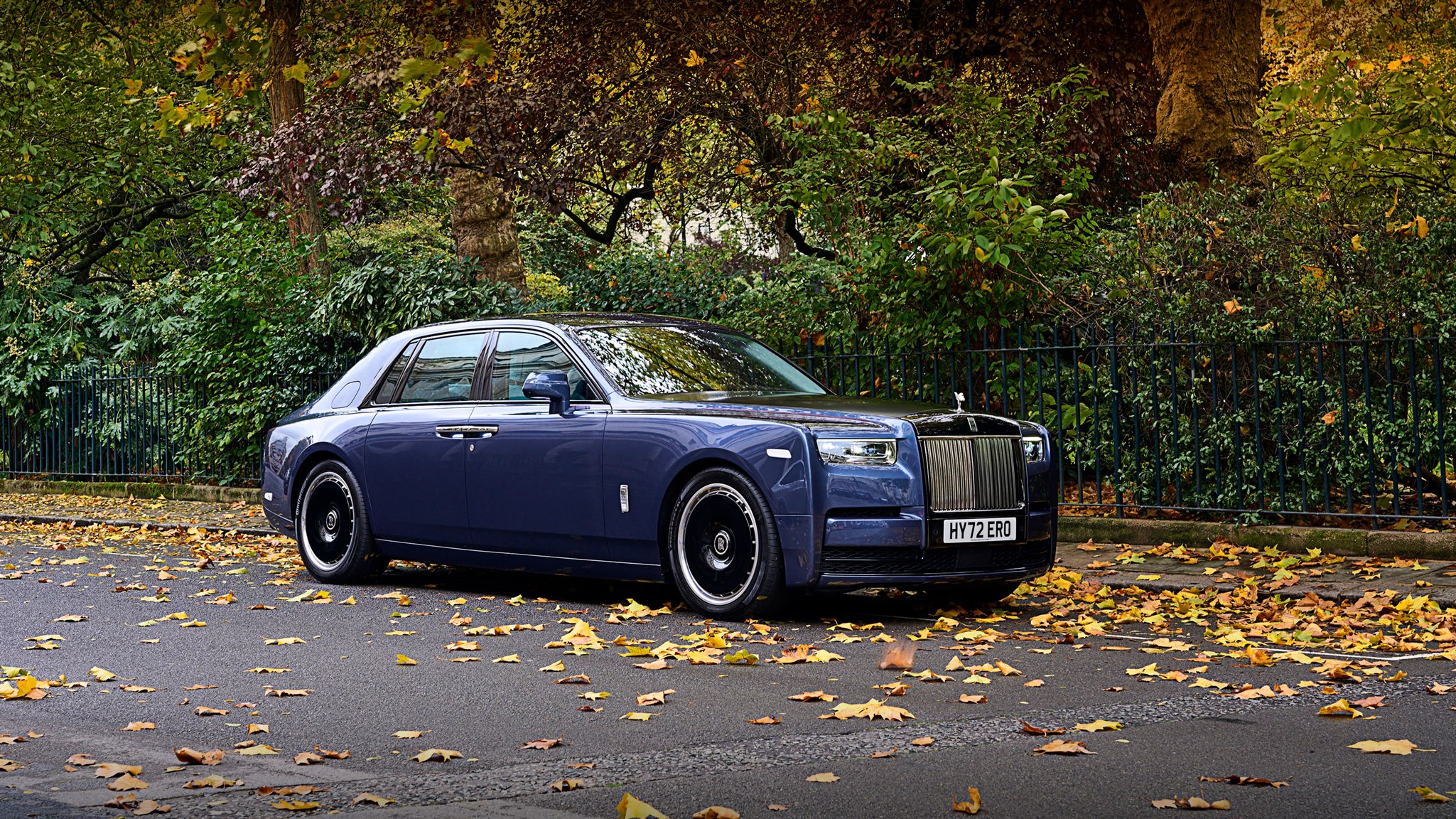
Tuner Offers Series II Conversion Kit for the Pre-Facelifted Rolls-Royce Cullinan – autoevolution
A luxury automotive tuning firm has launched a comprehensive conversion kit that allows owners of pre-facelift Rolls-Royce Cullinan SUVs to update their vehicle’s exterior to match the new Series II aesthetic, according to reporting by autoevolution. The kit replaces key front and rear body panels to replicate the factory facelift, while separate modifications including lowered suspension and disc-style wheels can alter the SUV’s profile to resemble a luxury station wagon.
What are the specific modifications in the Series II conversion kit?
The primary objective of the conversion kit is to eliminate the visual distinction between the original Rolls-Royce Cullinan and the recently released Series II model. According to autoevolution, the kit focuses on the areas where Rolls-Royce implemented the most significant changes during the factory facelift. This includes a complete overhaul of the front fascia and updated lighting elements.
The conversion typically involves the replacement of the front bumper, the grille surround, and the headlight assemblies. The Series II design is characterized by a more refined, architectural approach to the front end, moving away from the softer edges of the pre-facelift model. By swapping these components, owners can achieve the “modernized” look of the current production model without the need to purchase a new vehicle.
Key components included in these types of high-end conversions generally include:
- Updated Headlight Units: Integration of the new LED signatures found on the Series II.
- Revised Front Bumper: A reshaped lower apron and air intakes to match the updated factory aerodynamics.
- Grille Modifications: Adjustments to the iconic Pantheon grille surround to align with current brand styling.
- Rear Fascia Updates: Modified tail-light housings and bumper elements to ensure visual consistency from all angles.
How does the “Luxury Station Wagon” look achieve its aesthetic?
Beyond the Series II face-lift, autoevolution highlights a specific build that transforms the Cullinan’s traditional SUV silhouette into something resembling a luxury station wagon. This is not achieved through a change in the roofline—which remains fixed—but through a combination of stance and wheel design.
The tuner utilized a lowering module to significantly reduce the ride height of the vehicle. By dropping the chassis closer to the ground, the visual center of gravity shifts, removing the “off-road” posture typical of the Cullinan and replacing it with a sleek, elongated profile. This reduction in ground clearance makes the vehicle appear longer and lower, mimicking the proportions of a high-end shooting brake or estate car.

The aesthetic is completed with the installation of “disc-like” wheels. These wheels feature a solid, flat-faced design that minimizes the visibility of the spokes. According to the reporting, this choice of wheel creates a seamless, monolithic look that complements the lowered stance. The result is a vehicle that departs from the traditional “boxy” SUV image and moves toward a custom, coach-built appearance.
| Feature | Pre-Facelift Cullinan (Standard) | Tuner Series II Conversion |
|---|---|---|
| Front Fascia | Original rounded bumper/grille | Updated Series II architectural lines |
| Lighting | Standard LED units | Modernized Series II LED signatures |
| Ride Height | Standard SUV clearance | Lowered “Station Wagon” stance |
| Wheel Design | Open-spoke luxury alloys | Solid disc-style wheels |
Why is there a market for facelift conversion kits in the ultra-luxury segment?
The demand for conversion kits for vehicles like the Rolls-Royce Cullinan stems from the intersection of rapid design cycles and the extreme cost of new luxury assets. When a manufacturer releases a “Series II” or a “facelift,” the previous version immediately becomes visually dated. In the ultra-high-net-worth (UHNW) market, where the latest model is a primary status symbol, this creates a desire for updates.
According to industry trends, owners of pre-facelift models face a financial dilemma: sell the vehicle at a depreciated price to buy the new model, or keep the vehicle and accept that it is no longer the current iteration. A conversion kit provides a third option. It allows the owner to retain their specific interior customizations—which can cost hundreds of thousands of dollars in Rolls-Royce’s Bespoke program—while updating the exterior to the latest fashion.
Furthermore, the “station wagon” modification reflects a growing trend in the tuning world toward “restomodding” and “custom silhouettes.” By altering the stance of a massive SUV, tuners are appealing to a clientele that wants the utility of a Cullinan but the exclusivity of a one-off custom build. This moves the vehicle from being a “mass-produced” luxury item to a piece of automotive art.
What are the technical implications of these modifications?
Converting a vehicle to a newer model year’s aesthetic involves more than simply bolting on new plastic panels. According to automotive technical standards, high-end conversions must account for several critical factors to maintain the vehicle’s integrity.
Sensor Integration and ADAS
Modern Rolls-Royces are equipped with an array of Advanced Driver Assistance Systems (ADAS), including radar sensors in the grille and ultrasonic sensors in the bumpers. A conversion kit must ensure that these sensors are repositioned and calibrated perfectly. If the sensors are misaligned by even a few millimeters, safety features like emergency braking or adaptive cruise control may malfunction.
Paint Matching and Material Quality
Rolls-Royce is known for its complex, multi-layered paint finishes. Aftermarket tuners must use high-precision color matching to ensure that the new Series II bumpers and panels blend seamlessly with the original paint. Any discrepancy in the “flake” or hue of the paint would be immediately apparent on a vehicle of this caliber.

Suspension Calibration
The lowering of the Cullinan involves modifying the air suspension system. Because the Cullinan uses a complex air-ride setup to maintain its “magic carpet ride,” lowering the vehicle requires a specialized electronic module. This module tricks the vehicle’s ECU into lowering the air bags while attempting to preserve the damping quality and ride comfort for which the brand is famous.
How does this compare to official Rolls-Royce Bespoke services?
There is a fundamental difference between the work performed by an aftermarket tuner and the official Bespoke department at Rolls-Royce. The Bespoke program operates within the factory’s engineering constraints, ensuring that every modification is fully warrantied and integrated into the vehicle’s original build sheet.
In contrast, tuner conversions are “after-market” interventions. While they offer more radical changes—such as the “station wagon” lowering and disc wheels mentioned by autoevolution—they typically void certain portions of the manufacturer’s warranty. However, the tuner market fills a gap that the manufacturer refuses to touch. Rolls-Royce generally does not offer “conversion kits” to update old cars to new looks; they prefer customers to purchase a new vehicle. This creates a lucrative niche for tuning houses to provide “upgrades” that the OEM (Original Equipment Manufacturer) will not.
For more information on how these modifications affect long-term value, readers may find a related explainer on luxury car depreciation useful.
Common misconceptions about luxury conversion kits
A frequent misconception is that these kits are merely “plastic covers” placed over the existing bodywork. In reality, a professional Series II conversion involves the removal of original panels and the installation of new, structurally sound components. The goal is “OEM+,” meaning the final product should be indistinguishable from a factory-made car to the untrained eye.
.jpg "Common misconceptions about luxury conversion kits")
Another common belief is that lowering a luxury SUV ruins the ride quality. While extreme lowering can stiffen a ride, the use of electronic lowering modules in the Cullinan allows the vehicle to maintain its pneumatic cushioning. The “station wagon” look is an aesthetic choice that, when executed correctly, does not sacrifice the primary reason for owning a Rolls-Royce: comfort.
What are the potential risks for the owner?
While the visual results are often impressive, there are inherent risks in pursuing a Series II conversion for a pre-facelifted Cullinan.
- Resale Value: While a facelift can make a car more desirable, some purist collectors prefer original, unmodified vehicles. A “converted” car may be viewed as a “modified” car rather than an “updated” car, which can affect the price at high-end auctions.
- Warranty Issues: Modifications to the air suspension or the integration of non-factory lighting can lead to the denial of warranty claims related to the electrical system or chassis.
- Regulatory Compliance: Depending on the region, changing the lighting signatures or lowering the vehicle’s ride height may require new certifications to remain street-legal.
Frequently Asked Questions
Can any pre-facelift Rolls-Royce Cullinan be converted to Series II?
Generally, yes. Because the chassis and core body structure remain largely the same between the pre-facelift and the Series II, the conversion kits are designed to fit the existing mounting points of the original vehicle.
Does the conversion kit include interior updates?
The specific kit mentioned by autoevolution focuses on the exterior. While some tuners offer interior reupholstering or updated dashboard trim, the “Series II Conversion” typically refers to the external facelift of the front and rear fascias.
Will the “disc wheels” affect the braking performance?
Disc-style wheels can potentially restrict airflow to the brake rotors compared to open-spoke designs. However, luxury tuners typically engineer these wheels with internal venting to ensure that the massive braking system of the Cullinan remains cooled during normal operation.
How long does a full Series II conversion typically take?
Depending on the complexity and the paint requirements, a full exterior conversion can take several weeks. This includes the time needed for panel fitment, precision painting, and the calibration of the ADAS sensors.
Is the “station wagon” look a permanent change?
The lowering is typically achieved via an electronic module, which can often be reversed or adjusted. The wheels can be swapped back for original equipment, meaning the “station wagon” aesthetic is a reversible modification.
The emergence of these conversion kits highlights a shift in the ultra-luxury market toward personalized, iterative ownership. Rather than replacing a vehicle every two years, owners are increasingly looking for ways to evolve their existing assets, blending the timeless quality of the original build with the cutting-edge aesthetics of the newest models.
