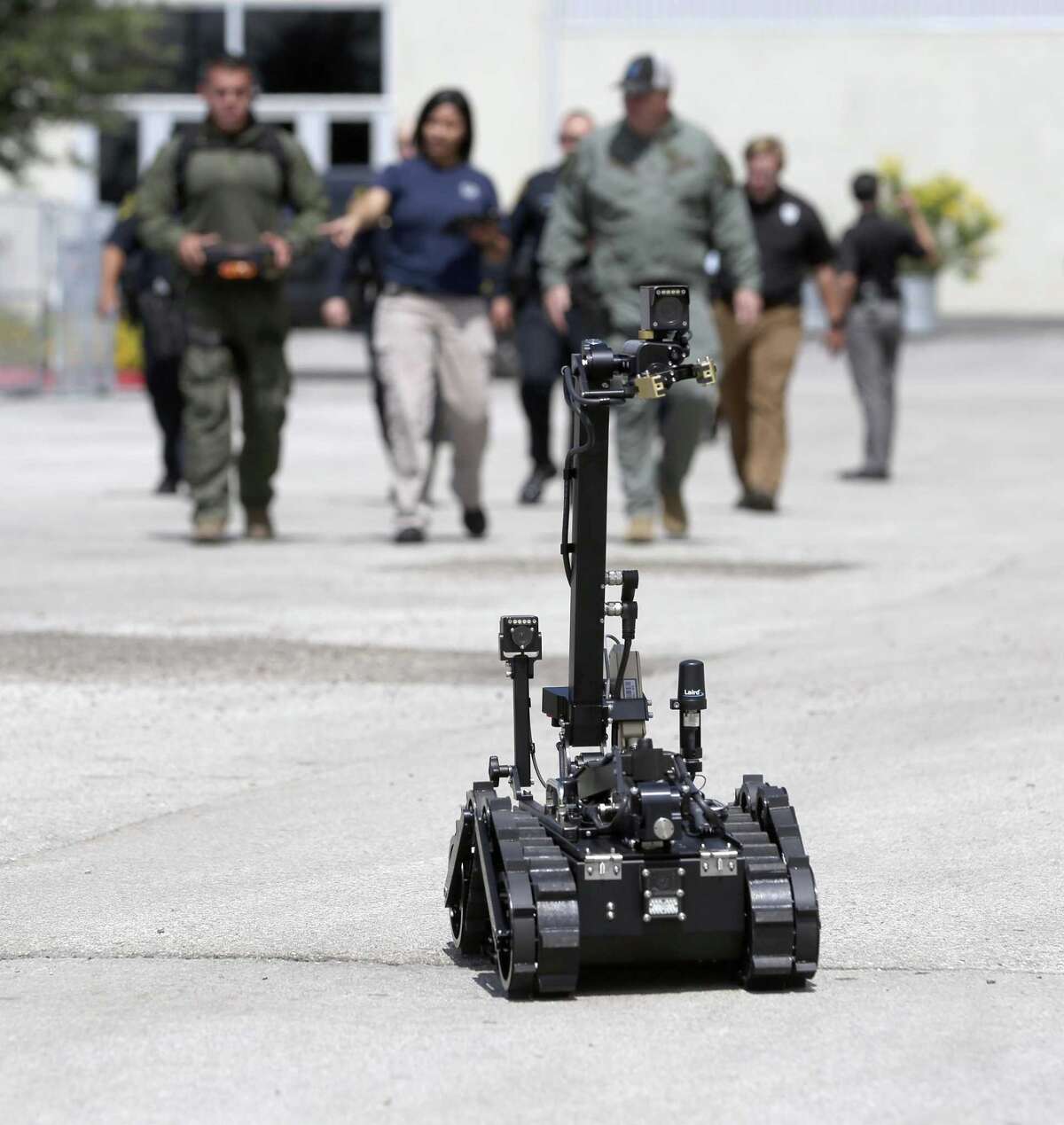
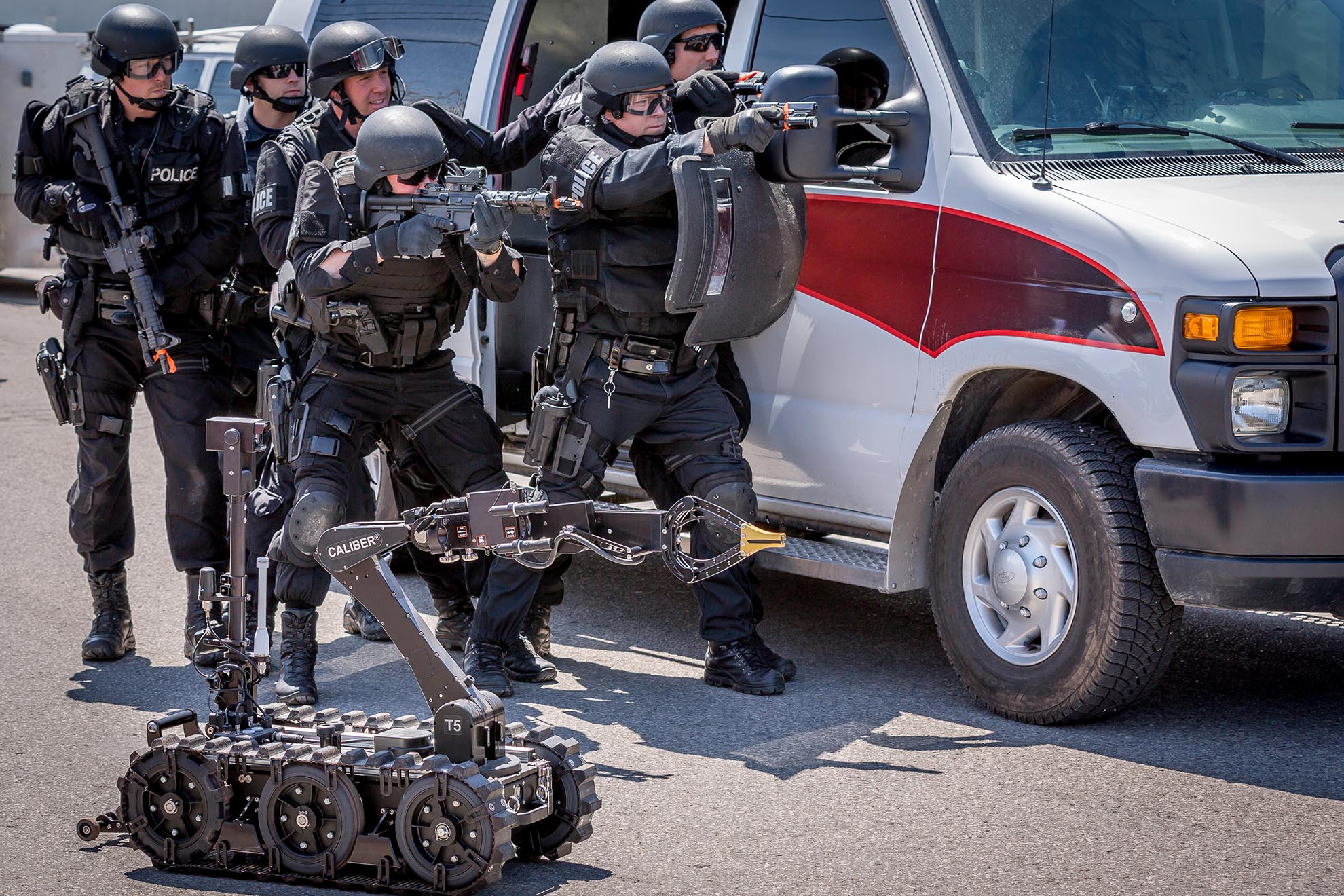
A DoorDash autonomous delivery robot disrupted a SWAT operation in Phoenix, Arizona, on May 12, according to local law enforcement officials. The incident occurred when the robot, designed to navigate urban environments using lidar and computer vision, entered a restricted area during a high-risk search, prompting officers to halt operations temporarily.
How Autonomous Delivery Robots Operate
Autonomous delivery robots like those deployed by DoorDash use a combination of lidar sensors, GPS, and machine learning algorithms to map environments and avoid obstacles. The specific model involved in the incident, a third-generation unit, was programmed to follow pre-mapped routes and prioritize pedestrian safety. However, the system’s inability to recognize law enforcement perimeters led to the disruption, according to a statement from the company.
“Our systems are designed to operate in public spaces while adhering to local regulations,” a DoorDash spokesperson said. “We are reviewing the incident to ensure such conflicts do not recur.”
Implications for Public Safety and Technology Regulation
The incident has reignited debates about the integration of autonomous systems into law enforcement scenarios. Arizona’s Department of Public Safety confirmed the robot’s presence but did not specify whether it violated any protocols. Local officials emphasized that emergency operations require strict control over access to sensitive areas, a challenge compounded by the growing deployment of delivery robots in urban centers.
“These incidents highlight the need for clearer guidelines on how autonomous systems interact with public safety infrastructure,” said Dr. Emily Zhang, a robotics policy analyst at the University of Arizona. “Current frameworks often lag behind technological advancements, creating unforeseen risks.”
The event also underscores technical limitations in current autonomous navigation systems. While lidar and AI models can detect static obstacles, dynamic situations—such as emergency vehicle movements or restricted zones—remain challenging for existing algorithms.
What’s Next for Autonomous Delivery Systems
DoorDash has not announced immediate changes to its robot deployment strategy but noted it is collaborating with local authorities to improve geofencing protocols. The company’s 2023 roadmap includes expanded use of AI-driven decision-making to handle complex environments, though implementation timelines remain unspecified.
Regulatory bodies in Arizona are reviewing the incident as part of broader discussions on autonomous technology oversight. A draft proposal from the state’s transportation department, expected in June, may introduce mandatory safety certifications for delivery robots operating near emergency zones.
The disruption serves as a case study for the broader challenges of merging autonomous systems with human-centric infrastructure. As companies scale robotic solutions, balancing innovation with public safety remains a critical priority.
