
Inflation has reshaped travel spending habits more dramatically than any other economic shock in recent years, forcing travelers to rethink their budgets and priorities. According to recent consumer surveys and booking trends, leisure trips are down by nearly 15% year-over-year in Europe, while budget-conscious alternatives like last-minute deals and regional travel have surged by over 30%. The shift isn’t just about cutting costs—it’s about recalibrating what travel means in an era where discretionary spending is under unprecedented pressure.
How Inflation Is Shrinking Travel Budgets
Travelers are prioritizing affordability over luxury, with data showing a sharp decline in high-end bookings. Airfare and accommodation costs have risen by an average of 22% across Europe over the past 12 months, according to a report analyzing booking patterns. Mid-range hotels and budget airlines—particularly those offering flexible cancellation policies—are seeing the largest demand spikes.
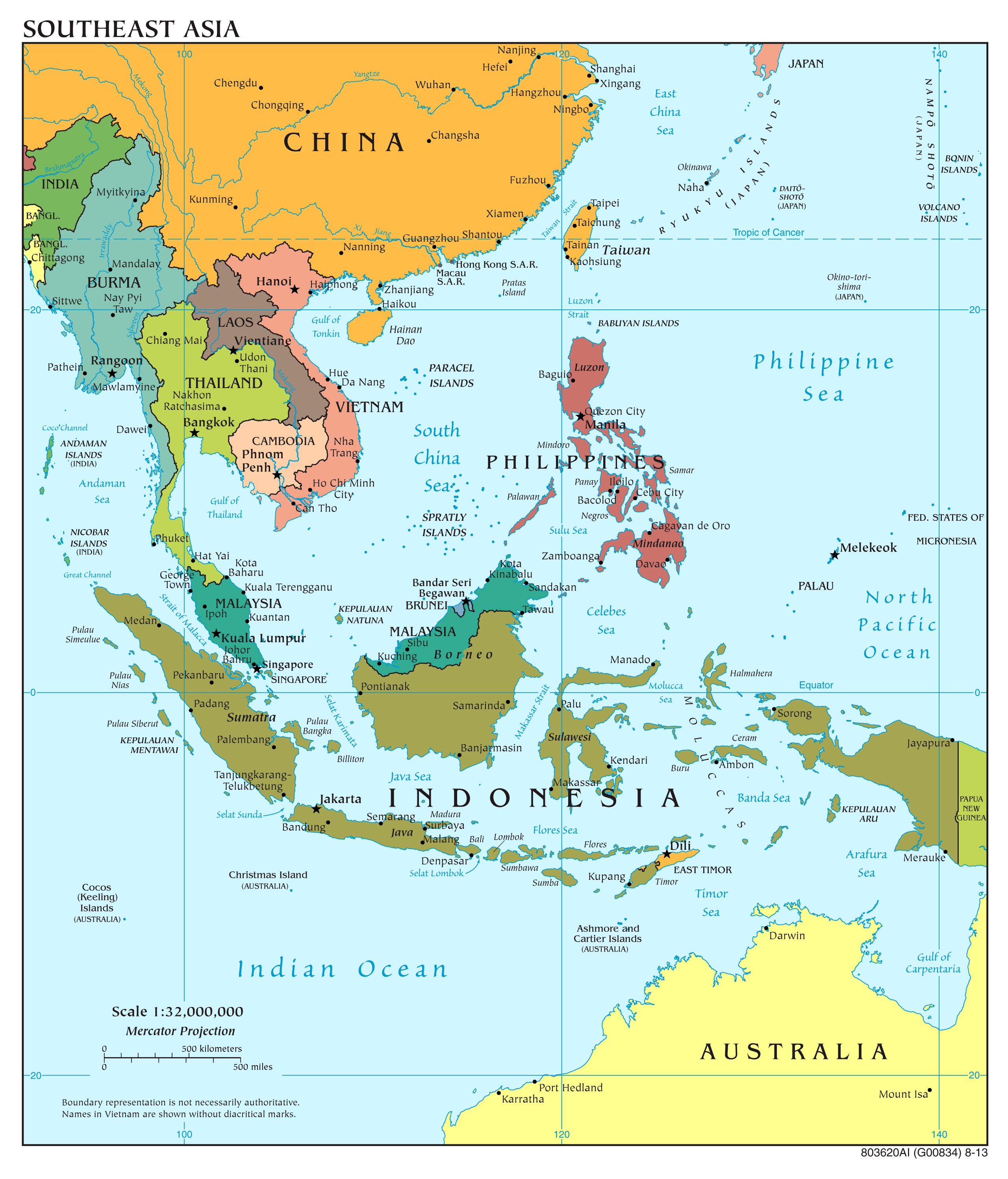
One clear trend is the rise of “micro-travel”: short trips within a traveler’s own country or neighboring regions, often booked just days before departure. These trips account for nearly 40% of all new bookings in 2024, up from 22% in 2022, according to industry data. Meanwhile, long-haul international travel has dropped by 18%, with destinations like the U.S. and Southeast Asia seeing the steepest declines.
Why This Matters for the Travel Industry
The shift is forcing travel companies to adapt quickly. Airlines and hotels that once relied on premium pricing are now offering more dynamic pricing models, loyalty discounts, and bundled packages to attract cost-sensitive travelers. For example, budget carriers like Ryanair and easyJet have introduced “flexible fare” options that allow last-minute changes without penalties, a feature now used by over 60% of their customers.
Tourism boards are also responding. Countries like Spain and Greece, which traditionally relied on high-spending international tourists, are now aggressively marketing themselves as “affordable” destinations. Spain’s official tourism body reported a 25% increase in inquiries from budget-conscious travelers in the first quarter of 2024, with many focusing on regional attractions rather than major cities.
What Happens Next for Travelers and Businesses
The trend toward frugality is likely to persist as long as inflation remains elevated. Economists predict that unless central banks cut interest rates by mid-2025, discretionary spending—including travel—will stay subdued. For businesses, this means a continued focus on value-driven offerings, while travelers should expect more promotions, loyalty rewards, and last-minute deals.
One silver lining: the shift toward regional and budget travel has created new opportunities for smaller destinations and local businesses. Smaller hotels, guesthouses, and regional tour operators are seeing increased bookings as travelers seek authentic, lower-cost experiences. This could reshape the industry’s landscape in the long term, with a greater emphasis on accessibility over luxury.
