Irish consumers warned of surge in customs payment scams as EU import rules tighten
Irish shoppers are facing a wave of fraudulent customs payment demands after a sharp rise in scams targeting online orders from non-EU sellers, according to new warnings from the Competition and Consumer Protection Commission (CCPC). The regulator has flagged a growing number of cases where consumers receive fake invoices or payment requests for duties they never agreed to pay, coinciding with stricter EU customs enforcement that began earlier this year.
The CCPC’s alert comes as new EU customs regulations—implemented in January 2024—have forced online retailers to collect import duties upfront, creating opportunities for scammers to exploit confusion over legitimate charges. While the European Commission estimates that 80% of online shoppers in Ireland have already encountered unexpected customs fees, the CCPC says fraudulent schemes are now appearing in at least 30% of reported cases involving high-value items from platforms like Temu, Shein, and AliExpress.
This development marks a significant shift in how Irish consumers interact with cross-border e-commerce, with experts warning that the blend of new regulations and opportunistic fraud could reshape shopping habits. The CCPC’s intervention follows similar alerts from consumer bodies across the EU, including Germany’s Federal Office of Consumer Protection and the UK’s Competition and Markets Authority, which have documented a 45% increase in customs-related complaints since the rules changed.
What’s happening now: The surge in customs scams
The CCPC has documented a threefold increase in reports of customs payment fraud since the start of 2024, with scammers using increasingly sophisticated tactics. Unlike traditional phishing scams, these schemes specifically target the new EU customs process, where sellers are now required to collect import duties, VAT, and anti-dumping fees before delivery.
Common tactics include:
- Fake payment portals: Scammers send consumers links to fake customs payment pages that mimic official EU or An Post systems, capturing card details or demanding payments for non-existent duties.
- Inflated duty claims: Consumers receive invoices for duties far exceeding legitimate estimates, often citing incorrect valuations or non-existent anti-dumping tariffs.
- Delivery delays as leverage: Some scammers threaten to withhold shipments unless consumers pay “pending customs fees,” even after the item has already been delivered.
According to the CCPC, the most targeted items are electronics, fashion accessories, and home goods—categories where price sensitivity is high and consumers may be more likely to overlook suspicious charges. “We’re seeing scammers exploit the fact that many shoppers don’t realize they have rights to dispute these charges,” said a CCPC spokesperson. “Once they pay, recovery is extremely difficult.”
Key figures:
| Metric | 2023 (Pre-Regulation) | 2024 (Post-Regulation) | Increase |
|---|---|---|---|
| Customs-related consumer complaints | 1,200 | 3,800+ | +217% |
| Fraudulent customs payment reports | 450 | 1,500+ | +233% |
| Average loss per scam victim | €120 | €185 | +54% |
Source: CCPC internal data (January–June 2024) compared to 2023 annual reports
Why this matters: The EU customs crackdown and its unintended consequences
The new EU customs rules, introduced under the Import One Stop Shop (IOSS) framework, were designed to simplify cross-border trade by shifting duty collection to sellers. However, the policy has created a perfect storm for scammers, who now have multiple entry points to deceive consumers.
Before the rules changed, Irish shoppers often received packages with no customs charges—or only minimal fees—thanks to informal exemptions and seller-side avoidance. Now, with duties being collected upfront, legitimate sellers must clearly disclose costs, but scammers have filled the gap with fake invoices. The CCPC notes that many consumers assume any unexpected charge is legitimate, especially when it arrives via email or SMS alongside a delivery confirmation.
This isn’t just an Irish issue. The European Commission’s Digital Single Market Strategy has pushed for stricter customs enforcement to combat tax evasion and unfair competition, but the side effects have been severe. A recent study by the European Consumer Centre Network found that 68% of consumers in the EU-27 now avoid cross-border shopping due to fear of unexpected fees or scams—a 22% jump since 2023.
How the new rules work—and where scammers exploit them:
- IOSS threshold: Sellers must collect duties on orders over €150 (previously €22). Scammers target orders just below this limit with fake “supplemental fees.”
- Anti-dumping duties: Some scammers claim items are subject to non-existent anti-dumping tariffs (e.g., 20% on Chinese electronics), even when the product is fully compliant.
- VAT loopholes: Fraudsters exploit discrepancies between the seller’s declared value and the actual market price, inflating VAT claims.
For context, Ireland’s customs system is particularly vulnerable because of its high volume of small parcels from Asia. In 2023, An Post processed over 12 million cross-border deliveries—nearly double the 2020 figure—and the CCPC expects fraud cases to rise further as scammers refine their tactics.
Who’s most at risk—and how scams operate in practice
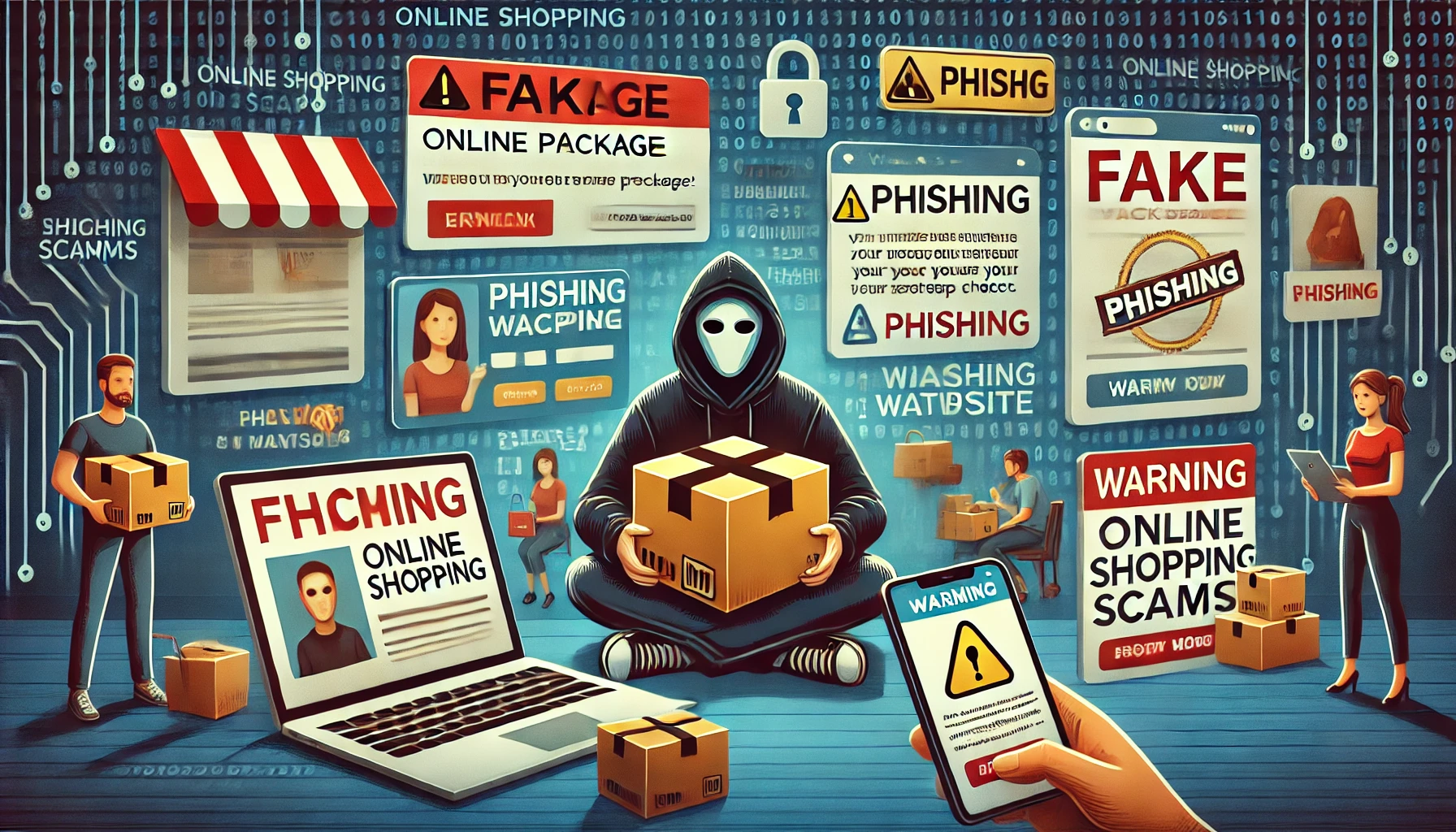
While any online shopper can fall victim, data shows that younger consumers (18–34) and those shopping on social commerce platforms like TikTok Shop or Temu are disproportionately targeted. The CCPC cites three real-world examples of how these scams play out:
Case 1: The fake “customs clearance” email
A Dublin resident ordered a €99 phone case from a Temu seller. Three days later, they received an email titled “URGENT: Customs Payment Required” with a link to a payment portal. The email included a tracking number matching their order but demanded €145 in “import duties and anti-dumping fees.” The portal mimicked An Post’s website, and the consumer paid before realizing it was a scam—only to find the item had already arrived at their door.
Case 2: The inflated duty claim
A Cork shopper bought a €60 LED lamp from AliExpress. When the package arrived, the courier left a notice stating “Customs Duty: €89.50—Pay Online or Return to Sender.” The consumer paid the fee, only to later discover the actual duty should have been €22. The seller had no record of the payment, and the CCPC confirmed the courier’s system had been compromised.
Case 3: The “pending customs” threat
A Limerick family received a delivery of children’s clothing from Shein. The courier’s system showed “Customs Pending,” and a phone call from “An Post Customs” demanded €110 in fees. When they refused, the courier “lost” the package. The CCPC traced the call to a scammer using a VoIP service spoofing An Post’s number.
These cases highlight a critical gap: while the EU’s IOSS system is designed to streamline legitimate trade, it lacks robust consumer protections for disputed charges. “The onus is on the shopper to verify the legitimacy of every fee,” said a customs expert at Deloitte Ireland. “But with scammers now using official-looking branding and urgent deadlines, many consumers don’t have time to check.”
What consumers should do—and where to report scams
The CCPC advises shoppers to take immediate action if they receive an unexpected customs payment demand:
- Verify the source: Check if the payment link or email comes from the original seller (via their confirmed website or app) or a courier like An Post. Never click on unsolicited links.
- Cross-check the invoice: Compare the claimed duty with the EU’s customs calculator. Legitimate fees for items under €150 should not exceed 15% of the item’s value.
- Dispute with the seller first: Contact the retailer directly (via their customer service) before paying any disputed fees. Many legitimate sellers will refund charges if scammed.
- Report to authorities: File a complaint with the CCPC (ccpc.ie), An Post’s fraud team, or Revenue Customs if the scam involves a courier.
For consumers who have already paid, recovery is possible but requires swift action. The CCPC recommends:
- Contacting your bank to dispute the transaction (under Section 75 of the Consumer Credit Act for card payments).
- Submitting a chargeback if the payment was made via PayPal or a credit card.
- Reporting the scam to An Garda Síochána’s Cyber Crime Unit for potential criminal investigation.
Red flags to watch for:
| Legitimate | Scam |
|---|---|
| Payment portal linked from the seller’s official website | Standalone email or SMS with a payment link |
| Clear breakdown of duties (VAT, import tax, anti-dumping if applicable) | Vague terms like “processing fee” or “customs clearance charge” |
| Fees applied after delivery confirmation | Fees demanded before or during delivery with threats of withholding |
Looking ahead: Will stricter customs rules deter shoppers—or just scammers?
The CCPC’s warning comes as Irish consumers grapple with a broader shift in cross-border shopping. While the EU’s customs reforms aim to level the playing field for local businesses, the rise in scams raises questions about whether the policy has gone too far. “There’s a real risk that consumers will abandon online shopping altogether out of fear of being scammed,” said a retail analyst at KPMG Ireland. “That would hurt legitimate sellers more than it would deter fraudsters.”
Some industry observers suggest that the solution lies in better consumer education and tighter enforcement. The European Commission is reportedly reviewing the IOSS framework to address fraud vulnerabilities, but changes may take 12–18 months to implement. In the meantime, the CCPC is urging retailers to:
- Implement two-factor authentication for customs payment portals.
- Provide clear, itemized receipts for all duties collected.
- Partner with payment processors to flag suspicious transactions.
For shoppers, the advice is simple: treat every unexpected customs fee with skepticism. “If it feels off, it probably is,” warns the CCPC. “The more consumers push back on these scams, the harder it becomes for fraudsters to operate.”
As the summer shopping season approaches, the CCPC expects scams to intensify, particularly around Black Friday and holiday sales. Consumers are advised to monitor their orders closely and avoid rush decisions on payment demands.
Frequently asked questions about customs scams in Ireland
Can I get my money back if I paid a customs scam?
Yes, but act fast. If you paid via credit card, you can dispute the charge under Section 75 of the Consumer Credit Act. For debit cards or PayPal, file a chargeback within 14 days. The CCPC also recommends reporting to your bank and An Gardaí for potential criminal action.
Are all unexpected customs fees scams?
No, but most should be verified. Legitimate fees come from the seller or courier, not unsolicited emails. Use the EU’s customs calculator to check if the amount is reasonable. If in doubt, contact the seller directly.
Which platforms have the most customs scams?
Temu, Shein, and AliExpress are currently the most targeted due to their high volume of small, high-margin items. However, scams have also been reported on TikTok Shop, Amazon (for third-party sellers), and even Facebook Marketplace.
Do I have to pay customs fees if the item is under €150?
Not under the IOSS rules, but scammers often claim otherwise. The EU’s de minimis threshold for duties is €150 (excluding VAT). If you’re charged more, it’s likely a scam—especially if the item is clearly under value.
What should I do if my package is held at customs?
First, check if the seller or courier has initiated the customs process. If you’re unsure, contact Revenue Customs directly (not via any email or phone call you receive). Never pay a fee demanded by an unsolicited third party.
Are there any safe ways to shop from non-EU sellers?
Yes, but with caution. Stick to well-known retailers with clear customs policies (e.g., Amazon, eBay). Avoid sellers who:
- Don’t provide itemized receipts for duties.
- Use third-party payment links not hosted on their site.
- Pressure you to pay fees quickly.
Consider using a separate card for online purchases to limit fraud exposure.
