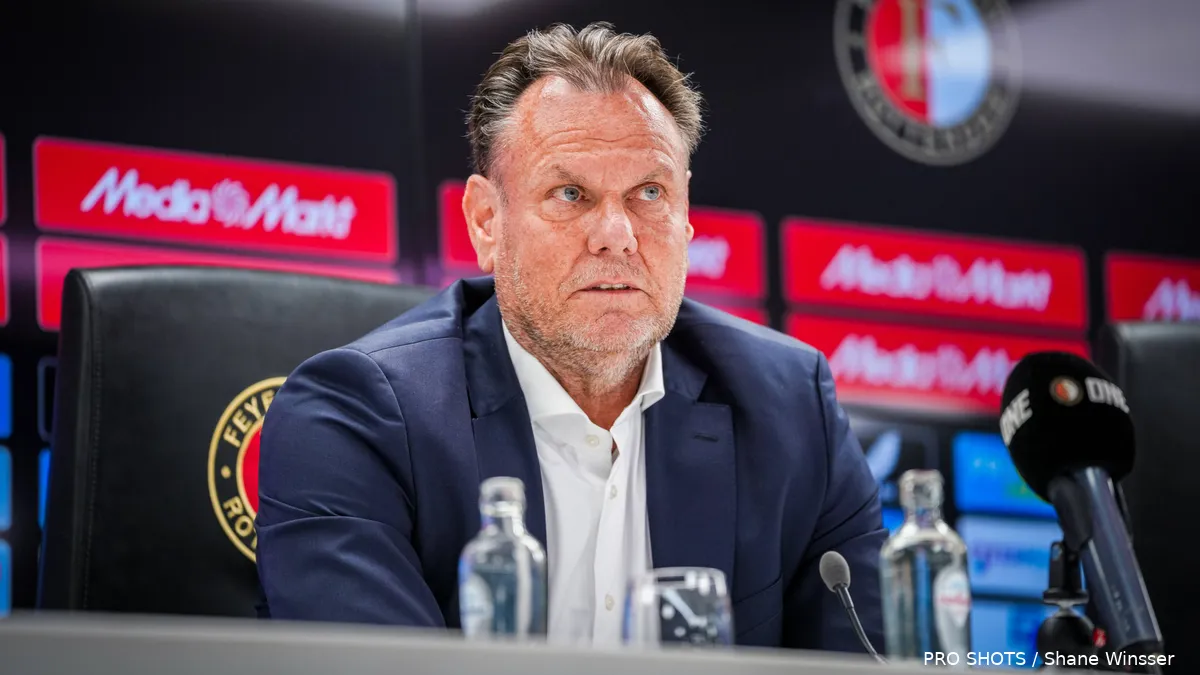
Robert Eenhoorn has officially assumed the role of director at Feyenoord, marking the conclusion of a long-anticipated move to the Rotterdam-based club. The 58-year-old executive, who has a storied history in sports management, joins the organization at a pivotal moment, bringing a wealth of experience in high-pressure environments to the leadership team at De Kuip.
Seizing the Opportunity
The appointment follows a period of deliberation and timing. Eenhoorn indicated that the alignment of circumstances was the primary driver for his decision to finally take the helm. During his introduction, he noted that “all signals were green,” suggesting that both the club’s needs and his own professional timing were perfectly synchronized.
The move is particularly significant given Eenhoorn’s previous relationship with the club. Reflecting on the timing of his arrival, he admitted that he was determined to secure the position when the opportunity presented itself, stating that he “didn’t want to let it slip this time.”
A Strategy of Observation
Despite his extensive resume, Eenhoorn is approaching his new tenure with a disciplined, analytical methodology. Rather than implementing immediate, sweeping changes, the new director has prioritized a comprehensive internal audit of the club’s current operations.
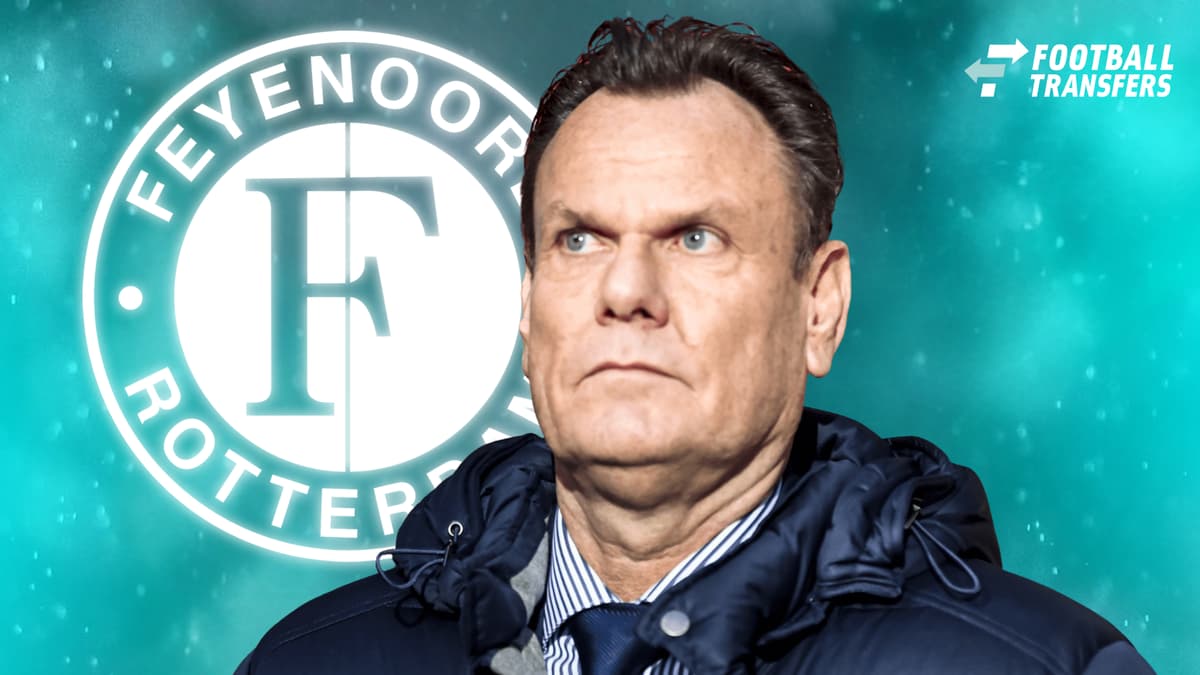
According to local media reports, Eenhoorn’s immediate objective is to gain a complete understanding of the club’s inner workings. He has emphasized the importance of gathering all necessary information about Feyenoord’s existing structures before charting a definitive course for the future.
Proven Under Pressure
The appointment comes at a time when the ability to manage crisis is highly valued. When questioned about the potential for “horror scenarios” or systemic failures within a high-stakes sporting environment, Eenhoorn leaned on his past professional trials to demonstrate his readiness.
I have already experienced a major incident.
Robert Eenhoorn
This confidence in his crisis-management capabilities, paired with his collaborative introduction alongside official Rigaux, signals a leadership approach rooted in stability and experienced governance. As Feyenoord navigates its current competitive landscape, the addition of a director who is comfortable with volatility provides a strategic layer of security for the club’s administrative future.
