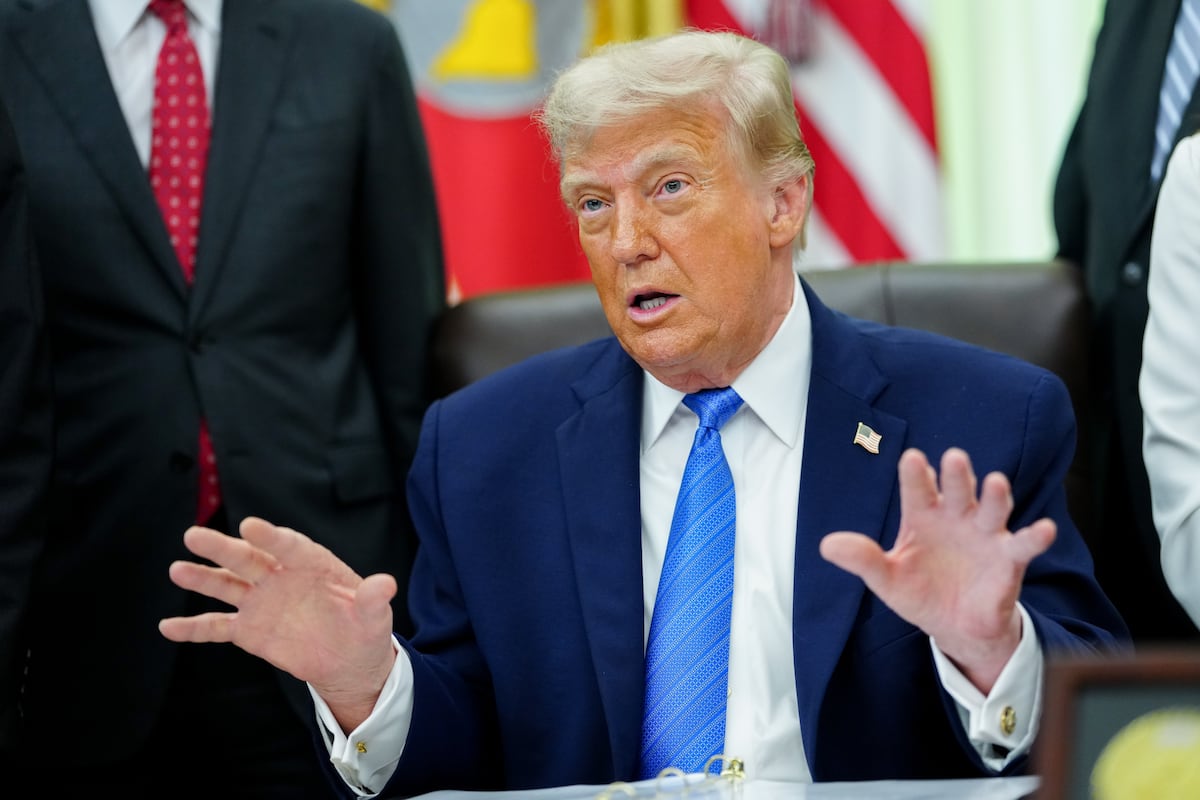
Donald Trump ordered Israeli Prime Minister Benjamin Netanyahu to cancel a “massive” military strike against Iran, according to reports from El Correo. While Trump has indicated a diplomatic direction, Iranian officials have publicly denied reaching any agreement with the United States, according to EL PAÍS.
Fast Facts
- Military Action: F-35 fighter jets were on the runway before the strike was canceled by order of the U.S. president.
- Diplomatic Status: Iran denies the existence of any deal with the Trump administration.
- Regional Climate: High volatility persists around the Strait of Hormuz and through ongoing bombing threats.
- Iranian Posture: Recent attacks on Israel suggest Tehran feels an increase in strategic strength.
Why the Israeli Strike Was Halted
Israel had prepared a large-scale aerial operation against Iranian targets, but the mission was stopped at the final moment. According to El Correo, the F-35 stealth fighters were already positioned on the runway when Netanyahu received the order from Donald Trump to abort the attack.
Iran Denies Diplomatic Agreements
The cancellation of the military operation coincides with conflicting reports regarding diplomacy between Washington and Tehran. According to EL PAÍS, the Iranian government has explicitly denied claims made by Trump, asserting that no agreement has been approved between the two countries.
How Regional Power Dynamics Are Shifting
The geopolitical balance in the Middle East is shifting as Iran adopts a more assertive military stance. The BBC reports that Tehran’s recent attacks against Israel indicate the Iranian leadership feels increasingly powerful.
This perceived strength contributes to a broader climate of instability. According to El HuffPost, the region has experienced its most unpredictable period since April, marked by threats and bombings concentrated near the Strait of Hormuz, a critical global oil transit point.
Current State of Tensions
Despite the halted strike, the risk of escalation remains high. According to La Razón, regional tensions have grown following recent strategic movements by the Trump administration.
The contrast between the U.S. administration’s claims of diplomatic progress and Iran’s public denials suggests a gap in communication or a strategic disagreement over the terms of any potential deal.
