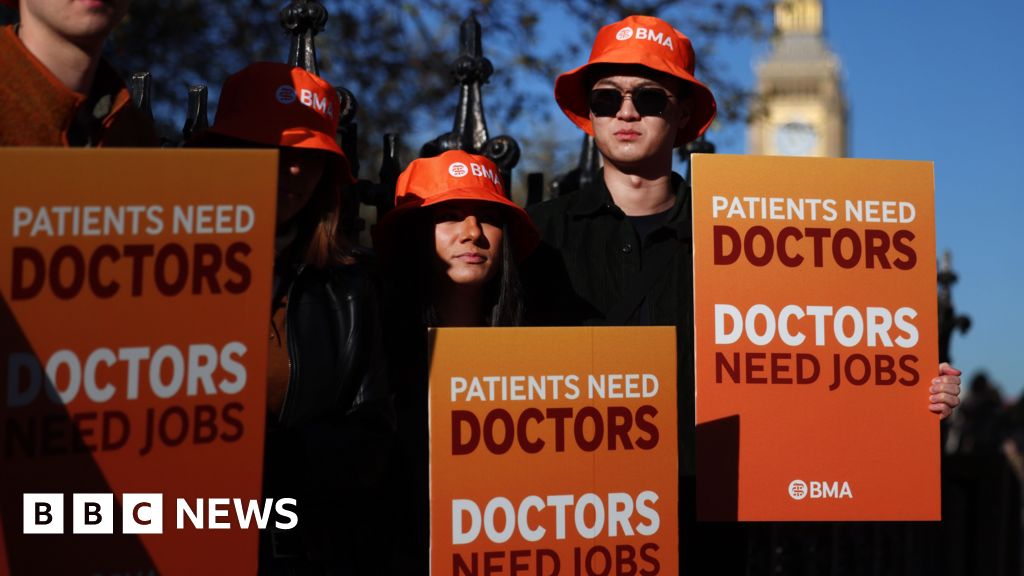
Resident doctors in England call off strike – BBC reports government offer
Resident doctors in England have called off their planned strike action following a new pay offer from the government, according to reports from the BBC, Sky News, and The Guardian. This decision halts a period of industrial action centered on pay disputes and working conditions within the National Health Service (NHS).
Why did resident doctors in England call off the strike?
Resident doctors cancelled their strike action because the UK government presented a new offer aimed at resolving the long-standing pay dispute. According to the BBC and Sky News, the decision to suspend the strikes came immediately after this proposal was tabled. While the specific financial details of the offer are often subject to negotiation and ballot processes, the primary driver for the cancellation was the government’s willingness to move from its previous position.
The Guardian reports that the move is a direct response to the ongoing industrial unrest that has seen thousands of junior doctors walk out of hospitals across England. The goal of the new offer is to reach a settlement that prevents further disruption to patient care and reduces the growing backlog of elective surgeries.
Key drivers behind the doctors’ demands include:
- Pay Restoration: A demand to return pay scales to levels seen before 2008 in real terms.
- Inflation Adjustments: Compensation for the high cost of living that has eroded take-home pay.
- Working Conditions: Concerns over staffing levels and burnout.
What impact did the strikes have on NHS hospitals?
The strikes caused significant operational strain across the NHS, leading to the cancellation of thousands of appointments and surgeries. A specific example of this disruption occurred at Cheltenham General Hospital, where the BBC reported that the facility had to announce major changes to its services to manage the impact of the industrial action. These changes often involve prioritizing emergency care over elective procedures, which increases the overall waiting list for non-urgent surgeries.
Hospital trusts across England reported a pattern of “service reconfiguration” during strike windows. This typically involves:
- Reducing the number of operating theaters in use.
- Redirecting staff to cover essential A&E (Accident and Emergency) services.
- Postponing routine diagnostic tests.
The disruption at Cheltenham General Hospital serves as a case study for the broader systemic pressure felt nationwide. When resident doctors strike, the burden of care shifts to consultants and other medical staff, which can lead to slower throughput in wards and longer wait times in emergency departments.
Who are the primary stakeholders in this dispute?
The conflict involves several key entities, each with competing priorities regarding the NHS budget and workforce stability.
| Stakeholder | Primary Objective | Position/Role |
|---|---|---|
| Resident Doctors | Pay restoration and improved working conditions. | Frontline medical staff providing essential care. |
| British Medical Association (BMA) | Negotiating a fair deal for its members. | The professional association and trade union representing doctors. |
| UK Government | Controlling public spending and reducing NHS backlogs. | The funding body and policy-maker for the NHS. |
| NHS England | Maintaining service delivery and patient safety. | The operational body managing health services. |
The BMA has acted as the primary negotiating arm for the doctors, arguing that the medical profession has seen a significant decline in real-term earnings over the last decade. The government, conversely, has historically cited budgetary constraints and the need to avoid fueling inflation as reasons for limiting pay rises.
How is the news being framed across different media outlets?
While the core fact—that the strike is called off—is consistent, the framing varies slightly across major news sources.
The BBC focuses heavily on the operational logistics, highlighting the specific impact on local hospitals like Cheltenham General. Their reporting emphasizes the immediate relief for the healthcare system and the mechanics of the government’s offer. For those looking for a related explainer on NHS funding, the BBC often links these events to broader economic trends.
The Guardian places more emphasis on the labor struggle and the systemic issues facing resident doctors. Their coverage tends to highlight the “why” behind the strike, focusing on the long-term erosion of pay and the risk of doctors leaving the NHS for other countries, such as Australia or Canada.
Sky News delivers the information with a focus on the breaking nature of the update, prioritizing the “new offer” as a victory for government negotiation and a pivot point for the healthcare crisis.
What is the historical context of the resident doctors’ pay dispute?
This current wave of strikes is not an isolated event but the result of years of tension. The concept of “pay restoration” is central to the doctors’ argument. They claim that since 2008, their pay has fallen in real terms when adjusted for inflation. This means that although their nominal salary may have increased, their purchasing power has decreased.
This dispute coincides with a period of extreme pressure on the NHS, characterized by:
- The COVID-19 Pandemic: Which left staff exhausted and depleted.
- Record Waiting Lists: Millions of patients awaiting treatment, a number that grew during the pandemic and subsequent strikes.
- Staffing Shortages: A trend of clinicians leaving the service due to burnout and perceived underpayment.
By calling off the strike, the doctors have signaled that the government’s new offer is sufficient to bring them back to the negotiating table, though it does not necessarily mean a final, permanent agreement has been signed and ratified by all members.
What are the long-term implications of this development?
The cancellation of the strike provides immediate relief to the NHS, but it does not solve the underlying structural issues. The most immediate effect is the ability for hospitals to begin rescheduling the thousands of canceled appointments. However, the “backlog of the backlog” remains a significant challenge.
Industry analysts suggest that if the government’s offer is accepted, it could set a precedent for other healthcare workers’ pay negotiations. If the BMA secures a significant “restoration” percentage, other unions within the NHS may demand similar adjustments to their pay scales.
Furthermore, the stability of the workforce depends on more than just pay. While a financial offer can stop a strike, it cannot immediately fix staffing ratios or the physical state of hospital infrastructure. The long-term success of this resolution will be measured by whether resident doctors feel their profession is sustainable in the UK.
Common misconceptions about the strike action
There is often confusion regarding the nature of “resident” or “junior” doctors. A common misconception is that these are newly graduated doctors with little experience. In reality, “junior doctor” is a contractual term that applies to all doctors from the day they qualify until they become a consultant. This group includes specialists in training who perform the vast majority of the day-to-day work in hospitals, including emergency surgeries and ward management.
Another misconception is that the strikes completely shut down hospitals. According to reports from the BBC and other outlets, “life and limb” services—emergency care and critical surgeries—are typically maintained through a skeleton staff of consultants and non-striking personnel, though the efficiency of these services is significantly reduced.
Frequently Asked Questions
Did the resident doctors in England call off the strike permanently?
According to reports from the BBC and The Guardian, the strikes were called off following a new government offer. Whether this is a permanent end to the dispute depends on the final terms of the agreement and whether the BMA membership votes to accept the deal in a formal ballot.

What was the reason for the strikes in the first place?
The primary reasons were pay restoration (returning pay to 2008 real-term levels), compensation for inflation, and improvements to working conditions to combat burnout and staffing shortages.
How did the strikes affect patients at hospitals like Cheltenham General?
The BBC reported that Cheltenham General Hospital had to implement major changes to its services. This typically involves canceling elective (non-urgent) surgeries and appointments to ensure that emergency and critical care services remain operational.
Who provided the new offer to the doctors?
The offer was provided by the UK government, which is responsible for the funding and budgetary oversight of the National Health Service (NHS) in England.
Will this stop all NHS strikes?
This specific action involves resident doctors in England. Other staff groups, such as nurses or consultants, have their own separate negotiations and unions; therefore, a deal with resident doctors does not automatically end disputes with other healthcare sectors.
The resolution of this particular conflict represents a significant step in reducing the immediate pressure on the English healthcare system. With the strikes paused, the focus now shifts to the formalization of the government’s offer and the subsequent effort to clear the mounting backlog of patient care.
