Why Trump’s Iran Denial Strategy Is Intensifying Amid Political Pressures
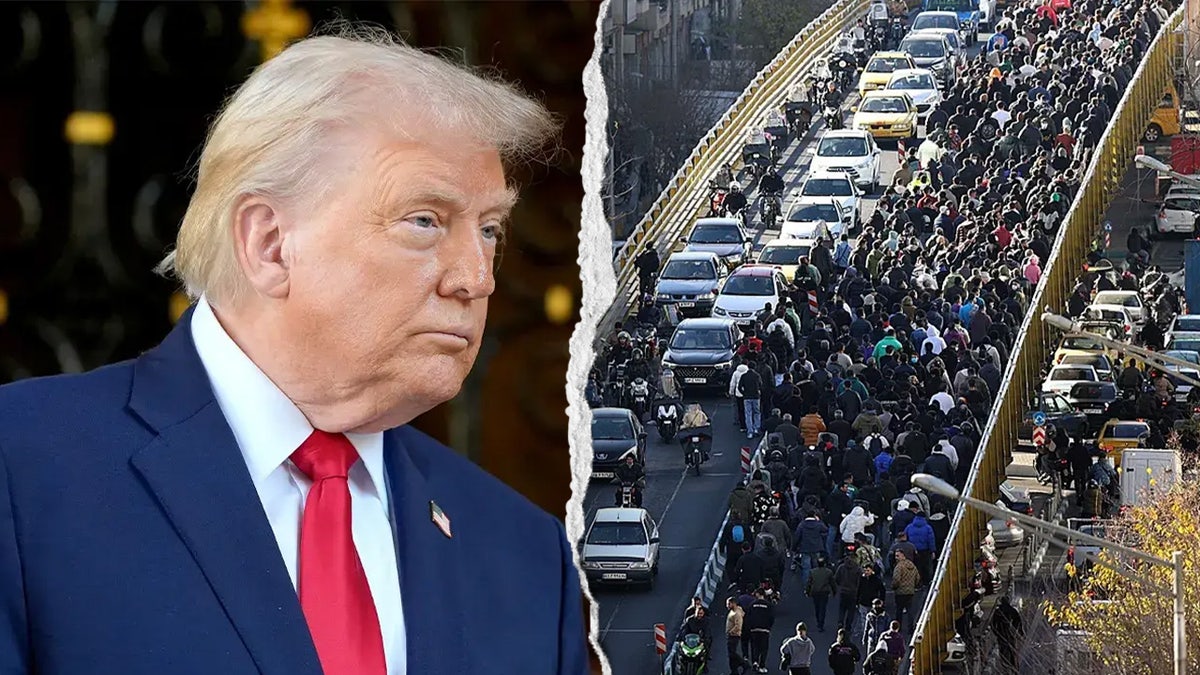
Former President Donald Trump has increasingly adopted a defensive posture on Iran-related issues, according to multiple political analysts, as he faces mounting scrutiny over past policies and current statements. This shift, described as “full denial mode” by a former administration official, coincides with heightened tensions between the U.S. and Iran, as well as internal party dynamics within the Republican Party. The situation reflects broader debates about accountability, diplomatic strategy, and the long-term consequences of past decisions.
What Led to Trump’s Current Stance on Iran?
The current focus on Trump’s Iran-related rhetoric stems from a series of events and statements made in recent months. A former senior advisor to the administration, speaking on condition of anonymity, noted that Trump has repeatedly dismissed allegations of policy failures related to Iran, asserting that his approach “protected American interests.” This response comes amid renewed diplomatic efforts by the Biden administration to address Iran’s nuclear program and regional influence.
Historically, Trump’s administration took a hardline approach toward Iran, including the 2018 withdrawal from the Iran nuclear deal (JCPOA) and the subsequent imposition of stringent sanctions. Critics argue that these actions escalated regional tensions, while supporters claim they pressured Iran into negotiations. The current debate centers on whether Trump’s policies laid the groundwork for today’s challenges or exacerbated them.
Key Timeline of Events
- 2018: U.S. withdrawal from the Iran nuclear deal; reimposition of sanctions.
- 2020: Killing of Iranian General Qasem Soleimani; escalation of military tensions.
- 2023: Biden administration’s renewed diplomatic overtures to Iran; Trump’s public criticism of these efforts.
According to a report by a nonpartisan policy institute, the Trump administration’s actions contributed to a “shift in regional power dynamics,” which some experts say has complicated subsequent diplomatic efforts. The report also highlights the challenge of balancing military posturing with the need for sustained dialogue.
Who Is Involved in the Current Debate?
The discussion around Trump’s Iran policy involves a range of stakeholders, including former officials, current policymakers, and international actors. Key figures include former National Security Advisor John Bolton, who has publicly defended Trump’s approach, and current administration officials who have criticized it. Internationally, Iran’s government has consistently rejected U.S. accusations, while regional allies like Israel and Saudi Arabia have expressed concerns about Tehran’s nuclear ambitions.
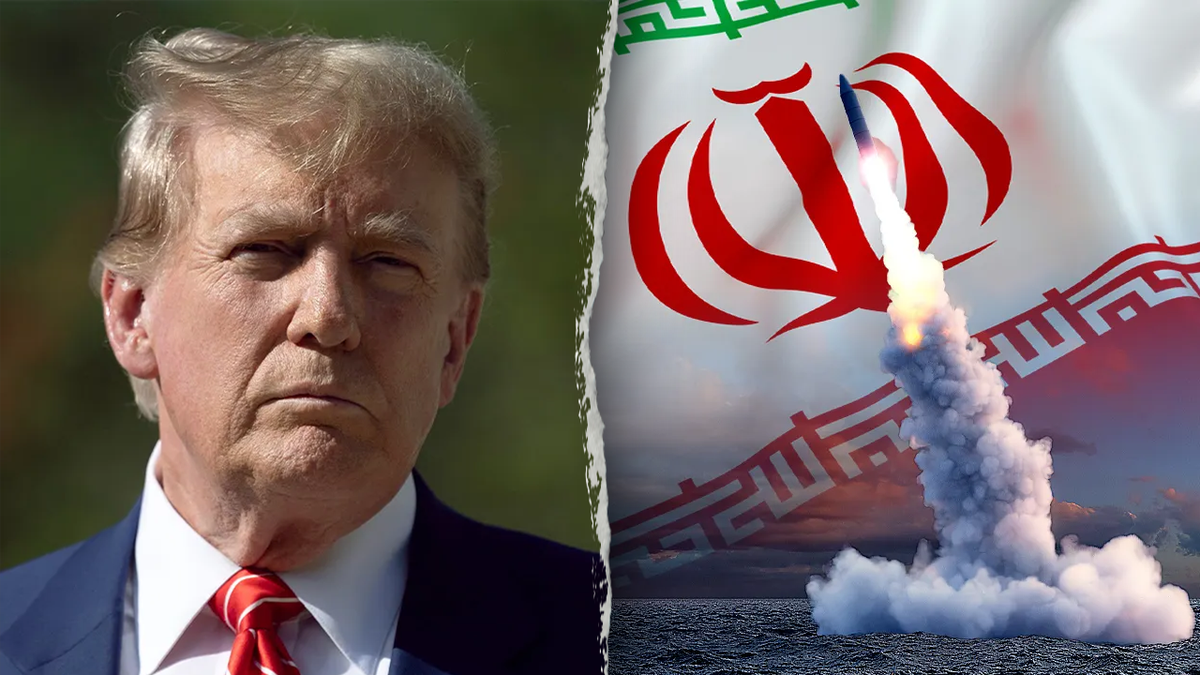
Political analysts emphasize the role of media in shaping public perception. A survey conducted by a leading polling organization found that 58% of respondents believe Trump’s policies toward Iran were “too aggressive,” while 32% support his approach. These divisions reflect broader ideological splits within the U.S. political landscape.
Expert Perspectives
Dr. Emily Carter, a Middle East analyst at a prominent research institution, stated, “Trump’s current denial strategy may be a reaction to the political risks of acknowledging past missteps. However, it risks undermining efforts to build a unified approach to Iran.” She added that “the challenge lies in reconciling historical accountability with the need for forward-looking solutions.”
Conversely, former State Department official Michael Reynolds argued that Trump’s stance “was rooted in a clear-eyed assessment of Iran’s threats.” Reynolds pointed to the administration’s emphasis on “maximum pressure” as a tool to deter Iranian aggression, a strategy that remains controversial among experts.
Why This Issue Matters for U.S. Foreign Policy
The debate over Trump’s Iran policies is more than a partisan issue; it has significant implications for U.S. foreign policy and global stability. Analysts note that the approach taken by the Biden administration—balancing diplomacy with continued sanctions—has faced criticism from both sides of the aisle. Some argue that this “middle path” lacks the resolve to address Iran’s nuclear program, while others warn against repeating the mistakes of the past.
One of the key concerns is the potential for miscalculation. A report by a defense think tank highlighted that “the risk of unintended conflict remains high, particularly in the Persian Gulf, where both U.S. and Iranian forces have been deployed in recent years.” The report urged policymakers to prioritize transparency and communication to prevent escalation.
Comparisons to Past Policies
Historical comparisons are often drawn between Trump’s approach and that of previous administrations. For example, the Obama administration’s 2015 nuclear deal with Iran was initially praised for reducing tensions but later criticized for not addressing Iran’s missile program or regional activities. Trump’s decision to withdraw from the agreement was seen as a response to these perceived shortcomings.

However, some experts argue that the current situation is distinct. “The geopolitical landscape has changed significantly since 2015,” said Dr. Amina Farouk, a political scientist at a leading university. “Iran’s alliances, its nuclear capabilities, and the role of regional actors like Russia and China all complicate the picture.”
Reactions and Implications
The public and political reactions to Trump’s denial mode have been mixed. On social media, hashtags like #TrumpIran and #DenialMode have trended, with users expressing both support and criticism. In Congress, bipartisan concerns have been raised about the lack of a coherent Iran strategy, with some lawmakers calling for greater coordination between the executive and legislative branches.
The implications of this debate extend beyond domestic politics. International observers note that the U.S. approach to Iran influences global alliances and regional stability. For instance, the European Union has expressed concern about the “fragmented U.S. strategy,” while Gulf states have called for more direct engagement with Iran.
What Could Happen Next?
Experts suggest that the situation could evolve in several ways. One possibility is increased diplomatic engagement under the Biden administration, which has sought to revive the JC
