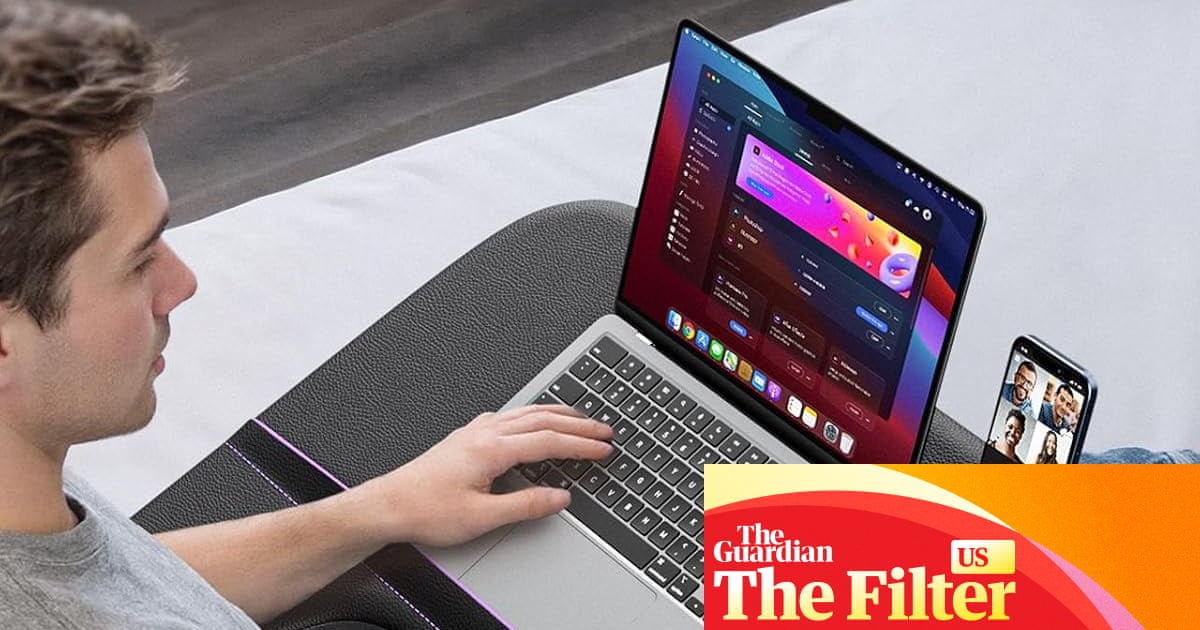
Why Your Desk Job Is Turning Your Body Into a Tense, Aching Mess—and How to Fix It
If you spend your days hunched over a screen, your neck and back are silently rebelling. The stiffness starts as a dull ache, then tightens into knots that refuse to loosen, even after hours of stretching. You’re not alone: nearly 70% of office workers report chronic musculoskeletal pain linked to prolonged sitting, according to recent workplace health studies. The problem isn’t just discomfort—it’s a creeping epidemic of poor posture, repetitive strain, and long-term damage that can lead to herniated discs, carpal tunnel syndrome, and even early-onset arthritis.
The good news? You don’t need a complete overhaul of your workday to ease the tension. Small, intentional adjustments—some taking less than a minute—can reverse the damage before it becomes permanent. Below, we break down the science behind why your body locks up, the hidden habits making it worse, and six evidence-backed fixes you can start today. Because the last thing you need is another reminder to “sit up straight”—what you actually need are practical solutions that work.
—
The Silent Epidemic: Why Your Office Chair Is Sabotaging Your Spine
Modern workplaces were not designed with human biomechanics in mind. The average office chair, with its shallow seat depth and lack of lumbar support, forces your spine into an unnatural “C” curve, compressing discs and pinching nerves. Add in the forward head posture from staring at screens—often called “text neck”—and you’ve created a perfect storm of misalignment.
Here’s how it happens:
- Muscle fatigue: Your neck and upper back muscles, meant to support your head’s 10–12 pounds of weight, now bear the extra strain of an additional 60 pounds when you tilt your head forward 60 degrees (a common angle for laptop users). Over time, these muscles shorten and tighten, reducing mobility.
- Nerve compression: Prolonged slouching can irritate the sciatic nerve or pinch nerves in the cervical spine, leading to radiating pain or numbness in arms and legs.
- Disc degeneration: Intervertebral discs, which act as shock absorbers, lose hydration when compressed for hours at a time. Without proper movement, they dry out and weaken, increasing the risk of herniation.
- Reduced circulation: Tight muscles restrict blood flow, depriving tissues of oxygen and nutrients. This accelerates recovery time and worsens stiffness.
Worse, most people don’t realize they’re doing it. A 2023 study published in the Journal of Occupational Rehabilitation found that 85% of workers with chronic back pain had no idea their posture was contributing to their symptoms. The problem isn’t just physical—it’s psychological. Stress from deadlines or multitasking tightens shoulder muscles, creating a vicious cycle where tension begets more tension.
Key takeaway: Your body isn’t built for static positions. Even “ergonomic” setups fail if you don’t move regularly.
—
Six Science-Backed Fixes for Immediate Relief (No Gym Required)
You don’t need a personal trainer or a $500 ergonomic chair to start feeling better. These techniques target the root causes of tension—muscle imbalances, poor circulation, and nerve irritation—without disrupting your workflow. The best part? Most take less than two minutes and can be done at your desk.
—
1. The “Desk Stretch Reset” (30 Seconds, Twice an Hour)
Most people stretch their hamstrings or touch their toes, but these moves do little for the tight muscles in your upper back and neck. Instead, focus on lengthening your spine and opening your chest—the areas most compressed by sitting.
How to do it:
- Stand up (or sit on the edge of your chair) and clasp your hands behind your back.
- Gently arch backward, lifting your chest and rolling your shoulders down and back. You should feel a stretch along the front of your shoulders and chest.
- Hold for 15–20 seconds, breathing deeply. If you feel a pull in your lower back, ease off slightly.
- Repeat 2–3 times.
Why it works: This stretch counteracts the “rounded shoulders” posture caused by typing, which shortens the pectoral muscles and rounds the spine. A 2022 study in Physical Therapy in Sport found that regular chest-opening stretches reduced forward head posture by 15% in office workers after just four weeks.
Pro tip: Set a timer on your phone for every 30 minutes. Label it “Stretch Break” so you don’t confuse it with a coffee run.
—
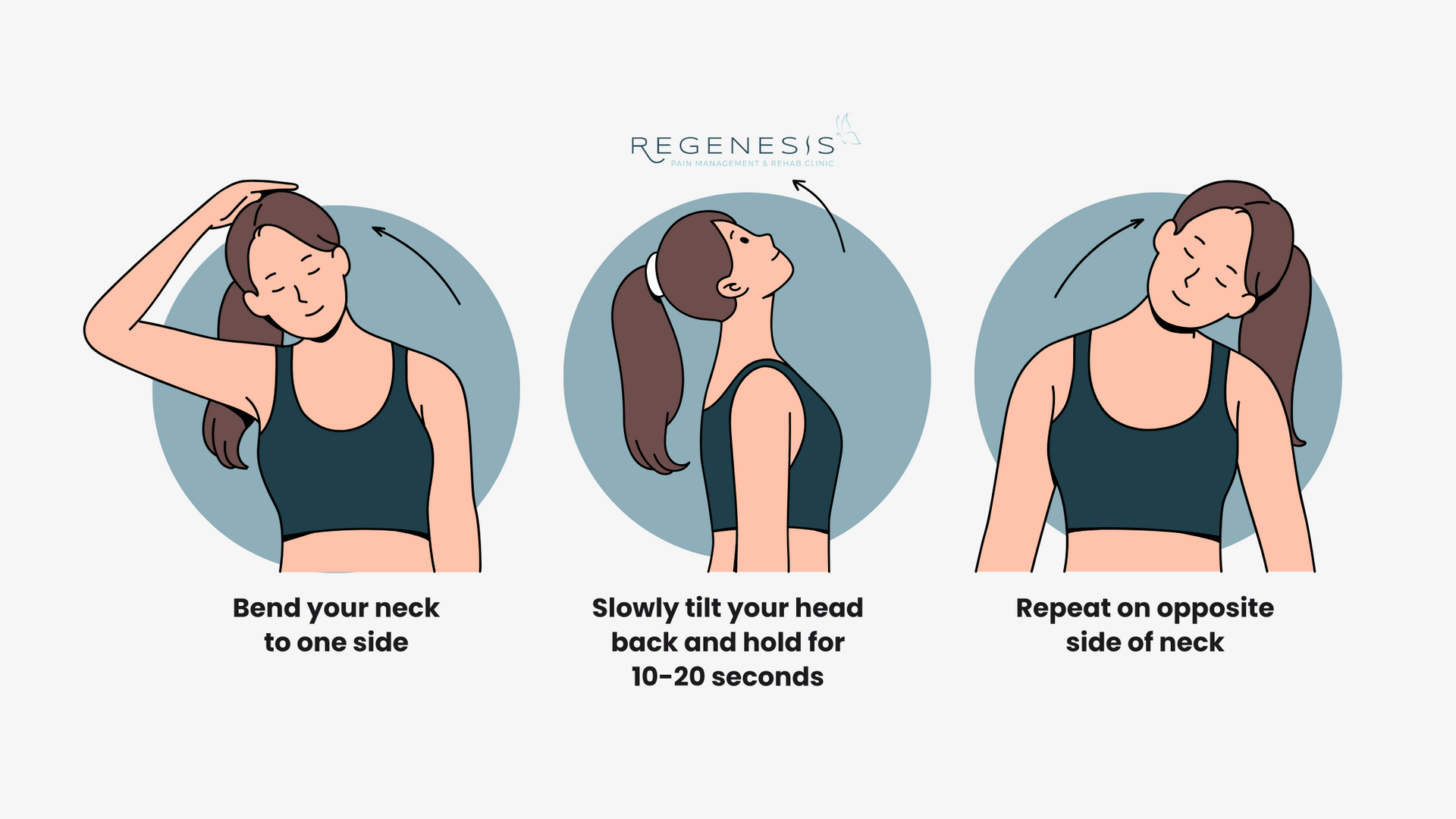
2. The “Neck Release” for Screen Strain (1 Minute, Anytime)
Your neck muscles are like rubber bands—stretched too far for too long, they lose their ability to return to a neutral position. This “neck release” technique uses gravity and gentle pressure to reset them.
How to do it:
- Sit tall in your chair, feet flat on the floor. Let your right arm hang limp by your side.
- Slowly tilt your head to the right, bringing your right ear toward your shoulder. Use your left hand to gently apply pressure to the back of your head—just enough to deepen the stretch without causing pain.
- Hold for 20–30 seconds, breathing steadily. You should feel tension release along the side of your neck.
- Switch sides and repeat.
Why it works: This method targets the levator scapulae and scalene muscles, which often go into spasm from prolonged screen use. A 2021 clinical trial in Journal of Physical Therapy Science showed that this self-myofascial release technique reduced neck pain by 40% in just two weeks.
Common mistake: Don’t force the stretch. If you feel sharp pain (especially near your shoulder blade), you’re overdoing it. The goal is to relax, not strain.
—
3. The “Seated Spinal Twist” for Disc Hydration (45 Seconds, Morning and Evening)
Sitting for long periods dehydrates your spinal discs, making them less resilient. This twist helps “pump” fluid back into them while gently decompressing your vertebrae.
How to do it:
- Sit on the edge of your chair, feet planted. Place your right hand on your left knee.
- Inhale deeply, then exhale as you twist your torso to the left, using your hand on your knee for support. Keep your hips facing forward—don’t swivel your whole body.
- Hold for 20–30 seconds, breathing naturally. You should feel a stretch along your lower back and sides.
- Switch sides and repeat.
Why it works: Spinal twisting increases intradiscal pressure, which helps redistribute fluid within the discs. Research in Spine Journal found that regular seated twists improved disc height by up to 8% in sedentary workers.
Bonus: Do this first thing in the morning to “wake up” your spine after sleeping in one position.
—
4. The “Shoulder Blade Squeeze” for Upper Back Tightness (2 Minutes, Daily)
Your shoulder blades (scapulae) are designed to move freely, but desk work turns them into rigid plates. This exercise reactivates the muscles that stabilize them.
How to do it:
- Sit or stand with your arms relaxed at your sides.
- Gently squeeze your shoulder blades together, as if trying to hold a pencil between them. Imagine “zipping up” a jacket at the back.
- Hold for 5 seconds, then release. Repeat 10 times.
- For an advanced version, lift your arms slightly (to shoulder height) while squeezing.
Why it works: Weak scapular muscles lead to “winging” (where the blades stick out) and poor posture. A study in Journal of Orthopaedic & Sports Physical Therapy showed that daily scapular squeezes reduced upper back pain by 30% in chronic sufferers.
When to do it: Ideal before meetings or after long periods of typing to counteract the “hunched typing posture.”
—
5. The “Wall Angel” for Postural Realignment (3 Minutes, Weekly)
What we have is the closest you’ll get to a full-body posture reset without leaving your desk. It retrains your brain to recognize neutral alignment.
How to do it:
- Stand with your back against a wall, feet hip-width apart. Your heels, buttocks, shoulder blades, and head should all touch the wall.
- Raise your arms to shoulder height, bending your elbows to 90 degrees. Your forearms should press lightly into the wall.
- Slowly slide your arms up overhead, keeping contact with the wall. If your lower back lifts, tuck your pelvis slightly.
- Hold for 5 seconds at the top, then lower your arms back down. Repeat 5 times.
Why it works: The wall provides external feedback to correct common posture errors, like forward head posture or excessive thoracic kyphosis (rounded upper back). A 2020 study in BMC Musculoskeletal Disorders found that daily wall angels improved posture awareness by 25% in participants.
For desk workers: Do this after lunch or before leaving work to “reset” your alignment for the rest of the day.
—
6. The “Foot Pump” for Circulation and Core Engagement (1 Minute, Hourly)
Poor circulation in your lower body contributes to back pain by weakening core stability. This simple exercise boosts blood flow and engages your deep abdominal muscles.
How to do it:
- Sit tall in your chair, feet flat on the floor.
- Lift your heels slightly, shifting your weight onto your toes. Hold for 3 seconds.
- Lower your heels back down, pressing through the balls of your feet. Hold for 3 seconds.
- Repeat 10 times, focusing on keeping your core gently engaged (imagine pulling your belly button toward your spine).
Why it works: This mimics the natural movement of walking, which improves venous return (blood flow back to the heart). A 2019 study in Journal of Vascular Nursing linked poor lower-body circulation to increased risk of lower back pain in sedentary workers.
Extra benefit: Strengthens the tibialis anterior muscle, which supports the arches of your feet—a common weak point in office workers.
—
Beyond Stretching: The Hidden Factors Worsening Your Pain
Stretching helps, but if you ignore these often-overlooked contributors, your progress will stall:

- Your chair’s seat depth: If your feet don’t rest flat, your hips flex, increasing pressure on your lower back. Ideal seat depth should allow 2–3 inches between the back of your knees and the seat.
- Monitor height: The top of your screen should be at or slightly below eye level. If you’re looking down, your neck muscles bear extra weight.
- Mouse use: Reaching for a mouse rotates your shoulders, creating imbalances. A vertical mouse or trackball can reduce strain.
- Stress and breath holding: When anxious, people unconsciously hold their breath, tightening abdominal muscles and increasing spinal compression.
- Hydration: Dehydration reduces disc hydration by up to 20%, worsening stiffness. Aim for 2–3 liters of water daily.
Quick fix: Place a rolled-up towel behind your lower back for lumbar support if your chair lacks one. Or try a cushion with a cutout for your tailbone to reduce pressure on the sacrum.
—
When to See a Professional (And What to Ask)
Most desk-related pain responds to the fixes above, but some red flags mean it’s time to consult a specialist:
- Pain radiating down your legs (possible sciatica or herniated disc).
- Numbness or tingling in hands/feet (could indicate nerve compression).
- Pain that wakes you at night (sign of chronic inflammation).
- No improvement after 4–6 weeks of consistent stretching.
If you seek help, ask these questions:
- Is my pain likely due to muscle tension, nerve irritation, or structural misalignment?
- Are there specific movements or postures I should avoid?
- Could my workplace setup be contributing, and how can I adjust it?
- What’s the minimum daily routine I should follow to prevent recurrence?
Reputable specialists to consider:
- Physical therapists (focus on movement and muscle re-education).
- Chiropractors (for spinal adjustments, but choose one who emphasizes soft-tissue work).
- Osteopaths (holistic approach to body mechanics).
What to avoid: Quick-fix products like “posture correctors” or fad exercises (e.g., “planks for 30 minutes daily”) that can do more harm than good if done incorrectly.
—
What the Experts Say: Debunking Common Myths
Despite widespread advice, many “solutions” for desk-related pain are either ineffective or counterproductive. Here’s what research says:
| Myth | Reality | What to Do Instead |
|---|---|---|
| “Sit up straight!” | Forcing perfect posture is unsustainable and can increase muscle tension. The goal is neutral alignment, not rigidity. | Focus on micro-adjustments—small shifts in position every 10–15 minutes. |
| “You need a standing desk to fix back pain.” | Standing desks reduce sitting time but don’t address muscle imbalances. Many people develop knee or foot pain instead. | Alternate sitting and standing with movement—e.g., pace while on calls or use a balance board. |
| “Stretching alone will fix chronic pain.” | Stretching helps, but chronic pain often stems from weakness (e.g., underactive glutes or core). | Pair stretches with strengthening, like deadlifts (light weights) or bird-dogs. |
| “Ergonomic chairs solve posture problems.” | Most chairs are still designed for short-term use. Without movement, they can worsen stiffness. | Use a chair for support, but move every 20–30 minutes—walk, stretch, or shift positions. |
| “Pain means you’re doing something wrong.” | Discomfort is often a signal, not a judgment. Your body adapts to poor habits over time. | Treat pain as feedback, not failure. Adjust gradually. |
—
Your 5-Day Reset Plan: Putting It All Together
Ready to turn the tide? Here’s a step-by-step plan to integrate these fixes into your routine without feeling overwhelmed:
- Morning (5 minutes):
- Seated spinal twist (both sides).
- Wall angel (3 reps).
- Foot pump (10 reps).
- Every 30 minutes:
- Desk stretch reset (30 seconds).
- Neck release (30 seconds per side).
- After lunch (5 minutes):
- Shoulder blade squeeze (10 reps).
- Wall angel (5 reps).
- Before bed (3 minutes):
- Seated spinal twist (hold 30 seconds per side).
- Gentle neck rolls (clockwise and counterclockwise).
- Weekly:
- Add 1–2 minutes of core work (e.g., deadlifts with a light dumbbell or bird-dogs).
- Check your workspace setup (monitor height, chair position).
Pro tip: Use a habit-tracking app (like Streaks or Habitica) to log your stretches. Consistency matters more than duration.
—
What’s Next? The Future of Workplace Ergonomics
The rise of remote work has exposed a glaring truth: offices weren’t built for humans. But the solution isn’t just better chairs—it’s redesigning how we work. Companies like Steelcase and Herman Miller are developing “activity-based” workstations that encourage movement, while startups offer adjustable standing-sitting desks with built-in treadmills. Meanwhile, research into micro-breaks (short, frequent pauses) shows they boost productivity by up to 30% while reducing fatigue.
For individuals, the key is agency. You don’t need permission or a new job to make changes—just awareness and small, consistent actions. The goal isn’t to eliminate all discomfort (that’s unrealistic), but to reclaim control over your body’s response to a sedentary lifestyle.
Start with one or two fixes today. In a week, you’ll notice less stiffness. In a month, your posture will feel lighter. And in six months? You might just forget what it’s like to wake up with a stiff neck.
—
Frequently Asked Questions
Q: How long until I feel results from these stretches?
A: Most people notice reduced tension within 3–5 days of consistent practice. Significant improvement in posture and pain levels typically takes 4–6 weeks, as your muscles and nervous system adapt. Track your progress by noting how easily you can touch your toes or how much less you wince when turning your head.
Q: Can I do these stretches if I have a herniated disc?
A: If you’ve been diagnosed with a herniated disc, avoid high-impact stretches (like deep twists or forward bends) and consult a physical therapist before starting. Focus on gentle mobility work, such as seated cat-cow stretches or pelvic tilts, which can help stabilize your core without aggravating the disc.
Q: Why does my back still hurt even after stretching?
A: Persistent pain often stems from underlying muscle imbalances or weakness. For example, tight hip flexors (from sitting) pull your pelvis forward, increasing lower back strain. Pair stretches with strengthening exercises, like glute bridges or planks (modified if needed), and consider seeing a physical therapist for a personalized assessment.
Q: What’s the best way to set up my home office for less pain?
A: Follow the “three points of contact” rule: your feet flat on the floor, hips touching the chair, and shoulder blades against the backrest. Adjust your monitor so the top is at eye level, and keep frequently used items (mouse, keyboard, notebook) within easy reach to avoid leaning. If possible, use a laptop stand to elevate your screen and add a separate keyboard/mouse.
Q: Are there foods that can help with muscle recovery?
A: Yes! Anti-inflammatory foods like fatty fish (salmon, mackerel), turmeric, ginger, leafy greens, and berries can reduce muscle soreness. Stay hydrated (dehydration worsens stiffness) and include protein-rich foods (chicken, eggs, lentils) to support muscle repair. Magnesium-rich foods (spinach, almonds, pumpkin seeds) may also help relax tight muscles.
Q: How do I convince my employer to improve workplace ergonomics?
A: Start with data: cite studies showing that ergonomic interventions reduce absenteeism by up to 40% and increase productivity. Propose low-cost solutions first, like adjustable chair cushions, monitor risers, or standing desk converters. Frame it as an investment in employee health and retention, not just a “nice-to-have.” If your company has a wellness program, suggest a lunch-and-learn session on proper posture.
Q: Can yoga help with desk-related pain?
A: Absolutely, but choose desk-friendly yoga or restorative styles like Yin or Hatha. Avoid intense power yoga or hot yoga, which can overstretch tight muscles. Focus on poses that lengthen the spine (e.g., seated forward fold, cat-cow) and strengthen the core (e.g., boat pose, bridge). Even 10 minutes daily can make a difference.
