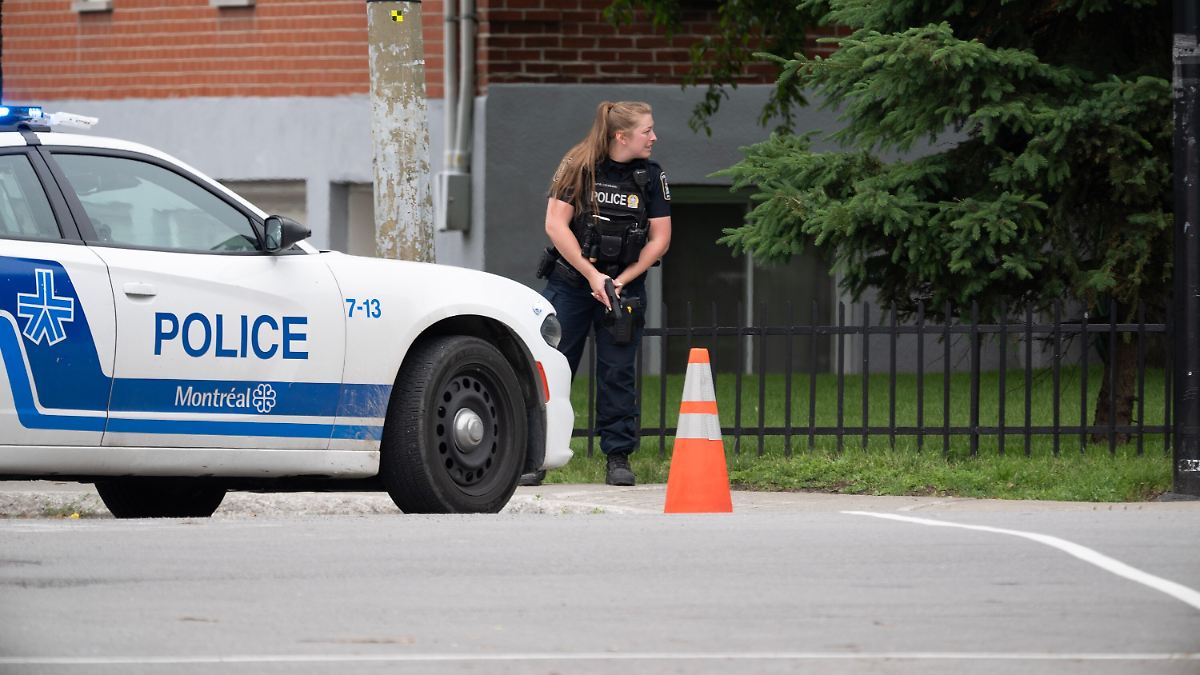
A deadly shooting in Montreal’s Jewish Quarter has left three people dead, including a police officer and the suspected gunman, according to local media reports. The incident, which unfolded in the early hours of Saturday, has sent shockwaves through Quebec’s Jewish community and raised concerns about rising tensions in Canada.
The victims included a police officer and two civilians, one of whom was identified as a resident of the neighborhood. Police confirmed the shooter was also killed during the confrontation. Authorities have not yet released the officer’s name or further details about the victims, but the incident has prompted an immediate response from Canadian law enforcement and political leaders.
Why the incident stands out in Canada’s recent history
The shooting occurred in Montreal’s Plateau-Mont-Royal borough, a densely populated area with a significant Jewish population. While Canada has seen isolated cases of anti-Semitic violence in recent years, this incident marks one of the deadliest attacks targeting Jewish institutions or individuals in the country since the 2017 massacre at a Quebec City mosque, which left six people dead.

According to a 2023 report by the Canadian Anti-Hate Network, hate crimes targeting Jewish individuals rose by 7% in 2022, with physical assaults increasing by 18%. The most recent data from Statistics Canada shows that religiously motivated hate crimes accounted for 24% of all such incidents in 2022, with anti-Semitic offenses representing the largest share.
Key developments and official responses
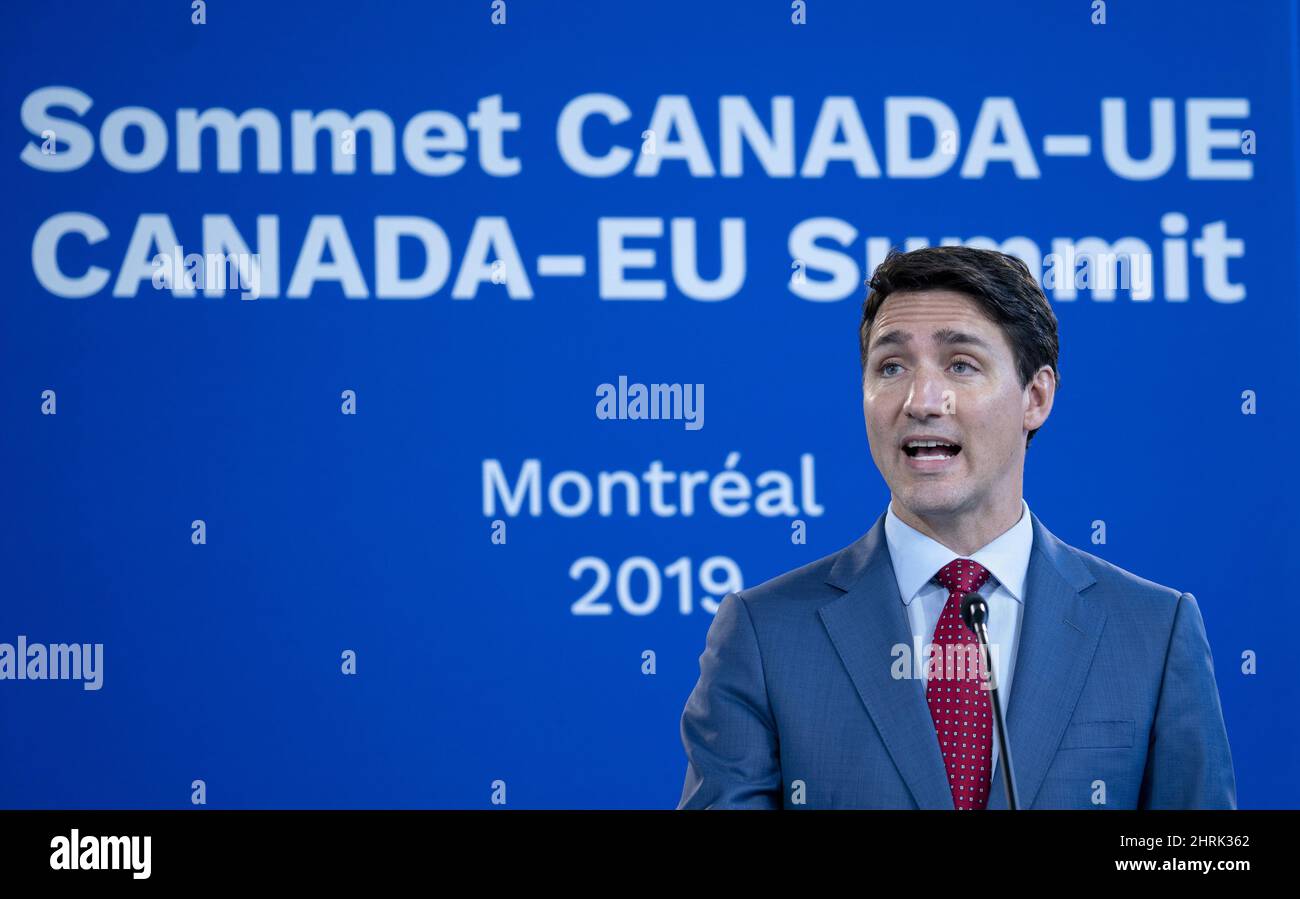
Prime Minister Justin Trudeau condemned the violence in a statement released Saturday morning, calling it “unacceptable” and vowing to address the root causes of hate in Canada. “This is not who we are as a nation,” Trudeau said. “We must stand united against hatred in all its forms.”

Quebec Premier François Legault also addressed the incident, emphasizing the need for vigilance in protecting vulnerable communities. “We are doing everything possible to ensure the safety of Quebecers,” Legault said. “This tragedy reminds us all that hate has no place in our society.”
Montreal Police Chief Sylvain Caron held a press conference later in the day, confirming that the shooter had been identified but declined to release further details pending the completion of the investigation. Caron stated that officers responded to a 911 call around 2:30 a.m. local time and engaged in a firefight with the suspect, who was later found deceased.
Community reactions and security concerns
Local Jewish leaders described the shooting as a “dark day” for the community. Hillel Neuman, executive director of the Montreal Jewish Community Council, told reporters that the incident had left residents “shaken and fearful.” “This is not just an attack on individuals—it’s an attack on our way of life,” Neuman said.
In response to the violence, Montreal police have increased patrols in Jewish neighborhoods, while the Canadian Security Intelligence Service (CSIS) has reportedly launched an investigation into potential links between the shooter and extremist networks. Some community members have called for greater federal funding for security measures at religious institutions, a demand that gained traction following the 2017 mosque attack.
What happens next: Investigation and political fallout
Canadian authorities are expected to release additional details in the coming days, including the shooter’s identity and any potential motives. The federal government has pledged to work with provincial authorities to address systemic issues contributing to hate crimes, though no specific policy changes have been announced.
Meanwhile, Montreal’s Jewish community is bracing for potential retaliation or copycat incidents. Synagogues and community centers in the city have reportedly received heightened security support, though some leaders have expressed frustration over what they describe as inadequate long-term protections.
As investigations continue, the incident serves as a stark reminder of the persistent challenge of hate-driven violence in Canada—a country that has long positioned itself as a refuge for religious minorities.
