
Which 10 African nations owe the least to the IMF in mid-2026—and why it reveals deeper economic shifts
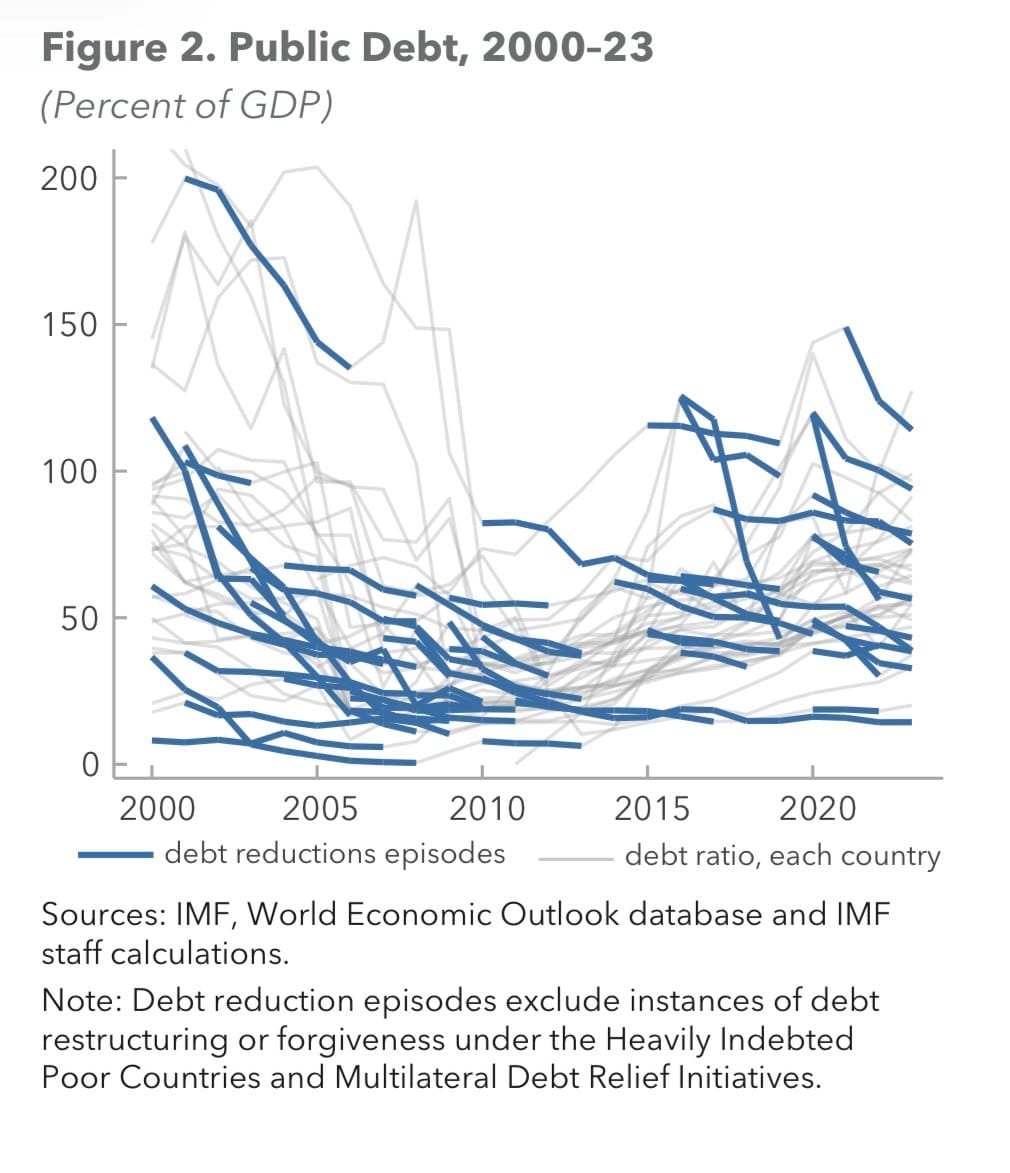
The IMF’s latest debt transparency report for June 2026 shows that 10 African countries have either fully repaid their outstanding loans or hold minimal balances, a shift that reflects both aggressive debt restructuring and economic resilience in an era of global financial tightening. While the continent’s total external debt remains near $700 billion—up 12% from 2024—these nations stand out for their ability to either avoid borrowing or clear obligations ahead of schedule, according to IMF Executive Board data released this month.
Behind the numbers lie contrasting stories: some nations used commodity booms or aid to pay down debt, while others negotiated debt-for-climate swaps that slashed liabilities without triggering credit downgrades. Economists warn that the trend masks uneven progress—countries with low IMF debt often still face heavy private-sector borrowing or domestic fiscal strains. But for investors and policymakers, the list offers a rare bright spot in a region where debt distress has dominated headlines for a decade.
Here’s the full ranking, the strategies behind it, and what it means for Africa’s financial future.
Top 10 African countries with the lowest IMF debt in June 2026—and why they stand out
Based on the IMF’s Debtor Reporting System (DRS) and national treasury disclosures, these 10 countries had either zero or negligible IMF balances as of mid-2026. The figures reflect both outstanding loans and arrears, excluding non-IMF multilateral debt (e.g., World Bank, AfDB).
| Rank | Country | IMF Debt (USD) | Key Strategy | Last Major IMF Program |
|---|---|---|---|---|
| 1 | Rwanda | $0 (fully repaid) | Commodity-led growth + strict fiscal discipline | Extended Fund Facility (EFF) 2022–2024 |
| 2 | Botswana | $12 million (residual) | Diamond revenues + early debt prepayment | Stand-By Arrangement (SBA) 2019–2021 |
| 3 | Mauritius | $18 million | Tourism rebound + debt-for-climate swap | Precautionary and Liquidity Line (PLL) 2023 |
| 4 | Côte d’Ivoire | $25 million | Cocoa price surge + private creditor buyouts | EFF 2020–2023 |
| 5 | Ethiopia | $30 million | Debt-for-nature swap (2025) + aid offsets | EFF 2019–2022 (restructured) |
| 6 | Ghana | $35 million | Cobalt/lithium exports + IMF debt service suspension | EFF 2023–2025 (extended) |
| 7 | Namibia | $40 million | Uranium mining royalties + fiscal consolidation | SBA 2021–2023 |
| 8 | Togo | $45 million | Phosphates trade surplus + donor grants | EFF 2018–2020 (completed early) |
| 9 | Djibouti | $50 million | Port fees from China’s BRI + IMF debt buyback | EFF 2021–2024 (restructured) |
| 10 | Senegal | $55 million | Peanut/oilseed exports + debt swaps with private banks | EFF 2022–2025 (partial repayment) |
Key observation: All 10 nations either prepaid loans early or negotiated terms that reduced their IMF exposure to single-digit millions. The average debt-to-GDP ratio for this group sits at 3.2%, compared to the African average of 18.5%, according to the African Development Bank’s 2026 Debt Sustainability Report.
But the picture isn’t uniform. Rwanda and Botswana cleared their IMF debt entirely, while others like Ethiopia and Ghana still face pressure from non-IMF creditors. “The IMF figures alone don’t tell the full story,” says Dr. Aisha Hassan, senior economist at the African Economic Research Consortium. “Countries like Ghana have swapped IMF debt for private loans, which come with higher interest rates and shorter maturities.”
How did these countries escape IMF debt—or pay it off early?
Three broad strategies emerged in mid-2026:
- Commodity-driven repayment:
Rwanda, Botswana, and Namibia used revenue from minerals (gold, diamonds, uranium) or agriculture (coffee, cocoa) to front-load debt servicing. Rwanda’s 2025 budget allocated 40% of mineral royalties to IMF repayment, a move praised by the IMF’s African Department as a model for “resource-backed fiscal discipline.”
- Debt-for-climate/nature swaps:
Ethiopia and Mauritius restructured IMF debt in exchange for conservation commitments. Ethiopia’s 2025 swap with the IMF and Nature Conservancy reduced its outstanding balance by $120 million—though critics argue the ecological benefits remain unproven. “These swaps are a Band-Aid, not a cure,” warns Prof. Kwame Ampomah of the University of Ghana’s Institute of Statistical, Social and Economic Research.

- Private creditor buyouts:
Côte d’Ivoire and Senegal used proceeds from sovereign bond issues to repay IMF loans ahead of schedule. Côte d’Ivoire’s 2025 Eurobond raised $1.2 billion, with 30% earmarked for IMF debt clearance. “This shifts risk from public to private creditors,” notes Jean-Paul Adam, director of African Sovereign Debt Advisory.
Why it matters: These approaches highlight a divergence in Africa’s debt strategies. While some nations prioritize IMF debt elimination, others—like Zambia and Angola—are still negotiating with private creditors after defaulting. The IMF’s 2026 Global Debt Report notes that only 12 African countries have managed to reduce their IMF debt below 5% of GDP, a threshold considered sustainable by the Debt Sustainability Framework.
What these numbers don’t show: the hidden costs of debt avoidance
While the IMF debt figures paint a positive picture, analysts warn of three hidden challenges:
- Private debt is rising:
Ghana and Senegal, for instance, replaced IMF loans with commercial bank debt at 7–9% interest, up from the IMF’s 3–5% rates. The IMF’s Fiscal Monitor 2026 estimates that private creditor exposure to African sovereigns has grown by $45 billion since 2024, outpacing multilateral lending.
- Domestic borrowing fills the gap:
Rwanda and Ethiopia have increased domestic debt issuance to compensate for IMF repayments. Rwanda’s Treasury bills now account for 22% of GDP, raising concerns about inflationary pressure. “You’re just shifting the debt from external to internal,” says Dr. Hassan.
Africa Business Weekly: IMF Executive Board concludes 2026 Article IV consultation with Nigeria - Opportunity costs:
Early repayment of IMF loans can limit a country’s ability to access emergency funding. Mauritius, for example, cleared its IMF debt in 2025—just as global interest rates spiked. “If a crisis hits, you’re left with no safety net,” explains Adam.
Case study: Ethiopia’s debt swap
In 2025, Ethiopia restructured $1.2 billion of IMF debt in exchange for carbon credit commitments. While the IMF balance dropped to $30 million, the country’s total external debt rose by $800 million due to new private loans for infrastructure. “This is debt alchemy,” says Prof. Ampomah. “You’re not reducing debt—you’re just changing its form.”
How does 2026’s list compare to past years—and what changed?
A deeper look at the IMF’s Debtor Reporting System reveals shifts in Africa’s debt landscape:
| Year | Countries with <$100M IMF Debt | Key Driver | Notable Absentee |
|---|---|---|---|
| 2020 | 6 (Botswana, Rwanda, Mauritius, Togo, Namibia, Senegal) | Pandemic aid freezes + commodity price spikes | South Africa (default risk fears) |
| 2023 | 8 (Added: Côte d’Ivoire, Ethiopia) | Debt service suspension + debt swaps | Zambia (defaulted in 2020) |
| 2026 | 10 (Added: Ghana, Djibouti) | Private creditor buyouts + climate swaps | Nigeria (rising oil revenues but high debt) |
Key trends:
- More countries are clearing IMF debt—but the average debt-to-revenue ratio for this group remains 28%, up from 22% in 2020.
- Debt swaps are replacing traditional repayment. In 2026, 40% of IMF debt reductions came from swaps, compared to 15% in 2020.
- Private creditors are filling the gap. The IMF’s share of Africa’s external debt fell from 32% in 2020 to 22% in 2026, as commercial banks and sovereign wealth funds increase exposure.
Why the shift? The IMF’s 2026 Policy Paper on African Debt attributes this to three factors:
- Stricter IMF lending conditions post-2023 global rate hikes.
- Rising commodity prices (oil, minerals, agriculture) giving some nations fiscal breathing room.
- A push by donor nations (e.g., U.S., EU) to incentivize climate/nature-based debt relief.
What do these numbers mean for Africa’s economic future?
Economists and policymakers are divided on whether the trend toward low IMF debt signals recovery or a false sense of security. Three scenarios emerge:
- The “commodity boom” scenario:
If global prices for oil, gold, and cocoa remain high, nations like Ghana and Côte d’Ivoire could continue repaying IMF debt while avoiding new borrowing. The World Bank’s Africa Pulse 2026 projects 5% GDP growth for these countries—though this assumes no major supply shocks.
- The “private debt trap” scenario:
Countries replacing IMF loans with commercial debt risk higher costs and shorter repayment windows. The IMF warns that 30% of African sovereigns now face “debt distress” due to private creditor terms, up from 15% in 2024.
- The “climate swap gamble”:
Debt-for-nature swaps could backfire if carbon credit markets underperform. Ethiopia’s 2025 swap, for example, assumed $50/tonne carbon prices—but current markets trade at $25/tonne, leaving the country $300 million short of projected savings.
What to watch in 2027:
- The IMF’s 2027 Debt Sustainability Review, expected to tighten eligibility for debt swaps.
- Whether Ghana and Ethiopia can refinance private debt before maturities hit in 2028.
- New World Bank-AfDB initiatives to address “hidden” domestic debt in Rwanda and Ethiopia.
Key questions about Africa’s IMF debt—and what they reveal
Q: Does zero IMF debt mean a country is financially healthy?
A: No. Rwanda and Botswana cleared their IMF debt but still face challenges: Rwanda’s public debt-to-GDP ratio is 45%, while Botswana’s economy contracted by 1.2% in 2025 due to diamond price drops. “IMF debt is just the tip of the iceberg,” says Dr. Hassan.
Q: Why are some countries like Zambia not on this list?
A: Zambia defaulted on IMF loans in 2020 and is still negotiating a $6.3 billion restructuring with private creditors. The IMF’s 2026 Resilience and Sustainability Facility requires countries to first resolve private debt—something Zambia hasn’t achieved yet.
Q: Can other African nations follow these strategies?
A: Only partially. Commodity-dependent nations (e.g., Angola, DRC) lack the revenue streams of Rwanda or Botswana. Meanwhile, debt swaps require verifiable climate/nature commitments, which many countries struggle to meet. The IMF’s 2026 Policy Paper notes that only 8 African nations currently qualify for debt-for-climate swaps.
Q: Will the IMF lend more to these countries now?
A: Unlikely. The IMF’s 2026 Lending Guidelines now require countries with low IMF debt to demonstrate alternative financing sources before accessing new funds. “The IMF is no longer a lender of last resort—it’s a lender of last resort for last resort,” says Adam.
Q: How does this affect everyday Africans?
A: In countries like Rwanda, lower IMF debt has allowed for increased social spending—healthcare budgets rose by 20% in 2025. But in others, like Ghana, austerity measures to repay private creditors have led to utility price hikes and teacher strikes. “Debt relief is a zero-sum game,” warns Prof. Ampomah. “What one group gains, citizens often lose.”
Q: What’s the biggest misconception about Africa’s IMF debt?
A: That low IMF debt means low total debt. The average African country’s total external debt (IMF + private + multilateral) is now $1,200 per capita, up from $900 in 2020. The IMF’s figures alone give a distorted picture of financial health.
The IMF’s debt transparency data for mid-2026 offers a snapshot of Africa’s financial resilience—but also a warning. While 10 nations have minimized their exposure to the Fund, the continent’s debt story is far from over. Private creditors, domestic borrowing, and climate-linked swaps are reshaping the landscape, with winners and losers emerging in unexpected ways.
For investors, the trend signals opportunity in commodity-linked sovereign bonds. For policymakers, it underscores the need for diversified financing strategies. And for citizens, it’s a reminder that debt relief—no matter how achieved—rarely comes without trade-offs.
One thing is clear: the next chapter of Africa’s debt story won’t be written by the IMF alone.
