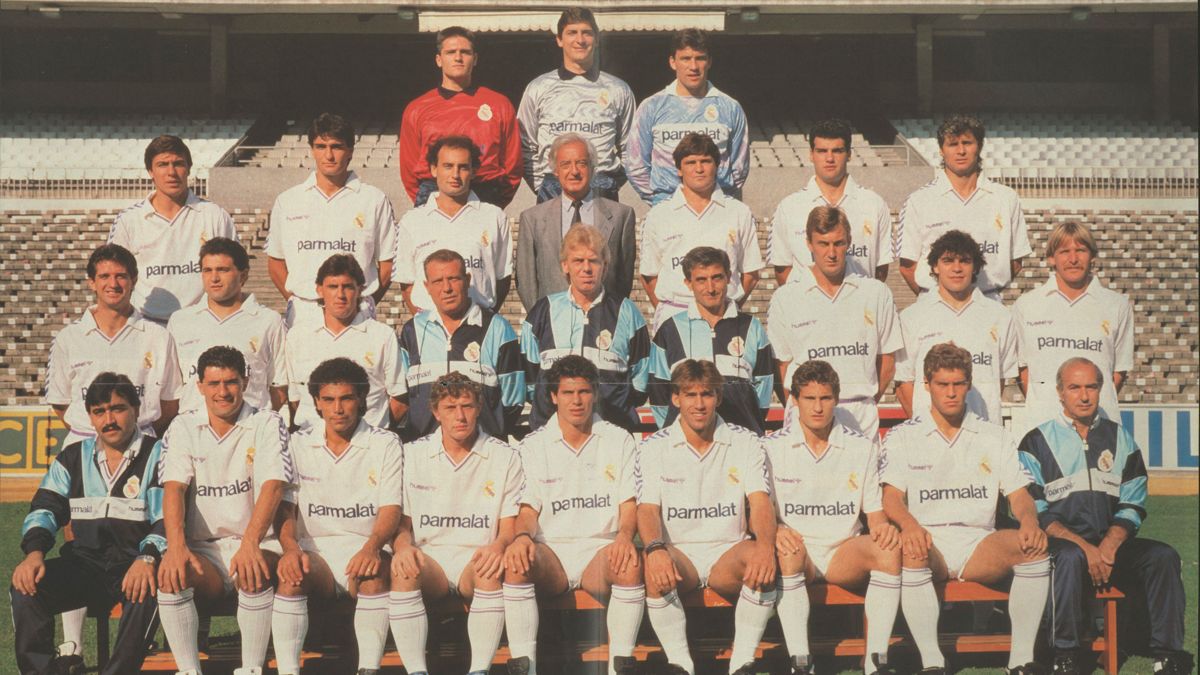
37th Anniversary of Real Madrid’s 24th LaLiga Title: A Legacy Cemented in History
On May 14, 1987, Real Madrid secured their 24th LaLiga title, marking a pivotal moment in the club’s storied history. The achievement, which came after a fiercely contested season, solidified the team’s status as one of Spain’s most dominant forces. According to official records from the Spanish Football Federation (RFEF), the victory was celebrated as a milestone that reinforced the club’s reputation for consistency and excellence. The 1986–87 campaign remains a defining chapter in the annals of LaLiga, with its legacy still resonating among fans and analysts alike.
The 1986–87 LaLiga Season: A Defining Chapter
The 1986–87 LaLiga season was a test of resilience and tactical ingenuity for Real Madrid. The club, led by coach Juan Santisteban, faced stiff competition from rivals like Barcelona and Athletic Bilbao. Real Madrid’s success hinged on a blend of experienced veterans and emerging talents, with players such as Michel, Emilio Butragueño, and Fernando Hierro forming the backbone of the squad. According to a report by Marca, the team’s ability to adapt to the challenges of the season, including key injuries and tactical adjustments, was critical to their eventual triumph.
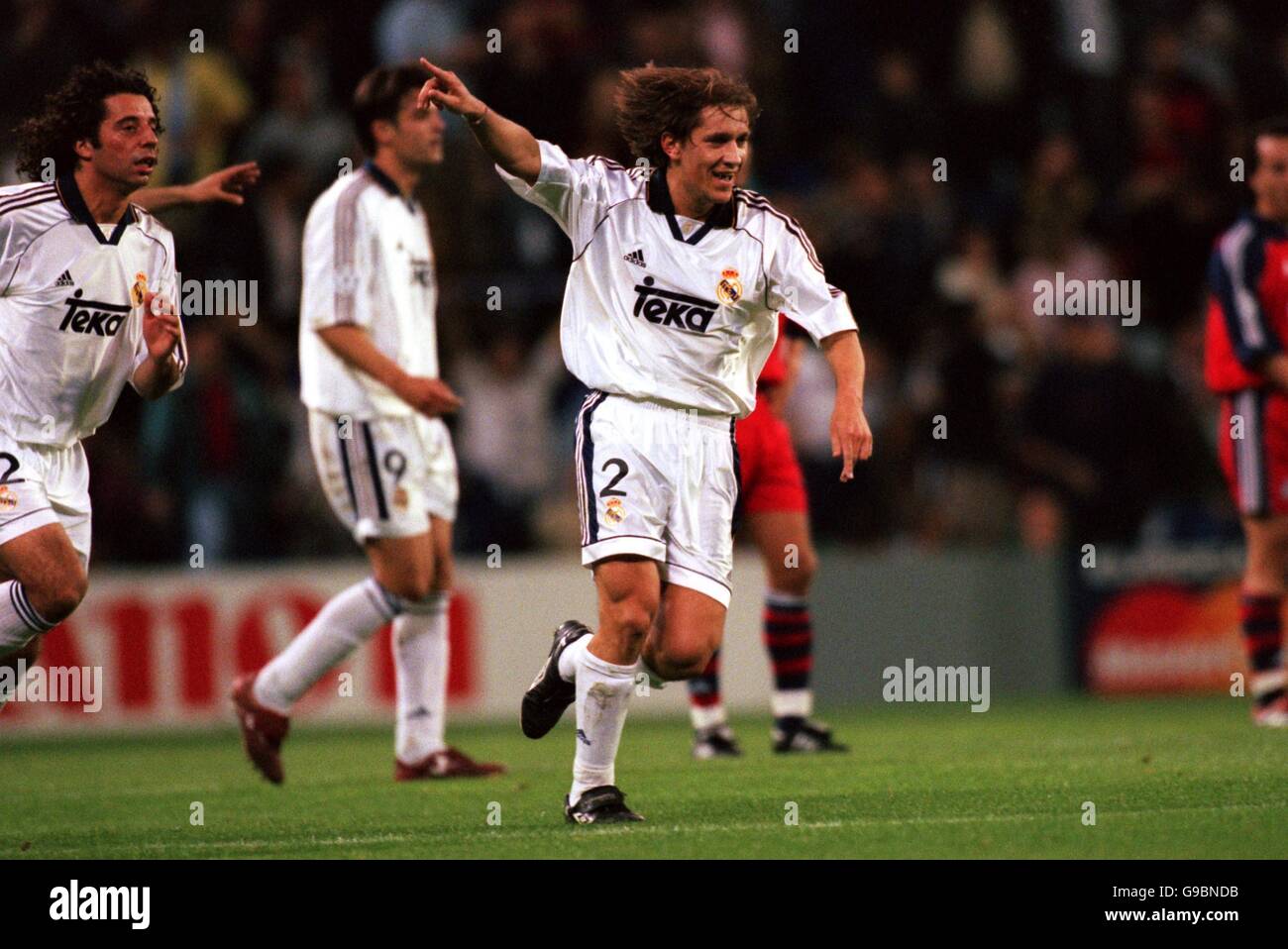
The campaign reached its climax in the final weeks, with Real Madrid clinching the title on the last day of the season. A 2–1 victory over Deportivo de La Coruña, coupled with Barcelona’s failure to win their match against Atlético Madrid, ensured the trophy would return to the Santiago Bernabéu. This dramatic finish underscored the intensity of the competition and the team’s determination to prevail.
Key Moments and Players
Several pivotal moments defined Real Madrid’s 1986–87 title run. The team’s defensive solidity, spearheaded by captain José Antonio Camacho, was a cornerstone of their success. Camacho’s leadership on the pitch, combined with his ability to read the game, earned him widespread acclaim. Additionally, Michel’s creativity in midfield and Butragueño’s clinical finishing proved instrumental in crucial matches.

A notable match was the 4–1 win against Atlético Madrid in March 1987, which shifted the momentum in Real Madrid’s favor. The game saw Butragueño score a hat-trick, a performance that is still cited as one of the defining moments of the season. According to AS, the victory not only boosted the team’s morale but also sent a clear message to their rivals that Real Madrid was a force to be reckoned with.
Context and Significance: Why This Title Matters
The 24th LaLiga title holds particular significance for Real Madrid as it came during a period of transition for the club. The late 1980s marked a shift in Spanish football, with the rise of new clubs and the increasing influence of foreign players. Real Madrid’s victory in 1987 demonstrated their ability to adapt to these changes while maintaining their traditional strengths.
According to historian and football analyst José María García, the 1986–87 season was a bridge between the club’s golden era of the 1950s and 1960s and the more modern, globally competitive teams of the 1990s. “This title was a reminder that Real Madrid’s identity—rooted in attacking football and a winning mentality—could thrive even in a rapidly evolving landscape,” García said.
The victory also had broader implications for Spanish football. It highlighted the importance of tactical flexibility and the role of key individuals in shaping a team’s success. The 1986–87 season is often cited as a case study in how a well-organized squad can overcome adversity, a lesson that continues to influence modern football strategies.
Comparisons and Legacy
Comparing Real Madrid’s 1986–87 title to other eras reveals both continuity and evolution in the club’s approach to success. In the 1950s, Real Madrid’s “Golden Generation” relied on individual brilliance and a focus on attacking play. By the 1980s, the team had developed a more structured, team-oriented style. This shift is evident in the 1986–87 campaign, where tactical discipline and collective effort played a central role.
A table comparing Real Madrid’s LaLiga titles across different decades illustrates this evolution:
| Decade | Titles Won | Key Characteristics |
|---|---|---|
| 1950s | 5 | Individual star power, attacking flair |
| 1970s | 2 | Balance between defense and attack |
| 1980s | 3 | Team cohesion, tactical adaptability |
| 1990s | 4 | Globalization, financial investment |
This data underscores how Real Madrid’s approach has evolved over time, while maintaining a core commitment to excellence. The 1986–87 title, in particular, is seen as a turning point that set the stage for the club’s future successes.
Reactions and Impact: Then and Now
The 1986–87 title was met with widespread acclaim from fans and media alike. Marca described the victory as “a testament to the club’s enduring spirit and the hard work of everyone involved.” The celebrations in Madrid were marked by large crowds gathering at the Santiago
