
Rajinikanth’s ‘Kochadaiiyaan’ AI Remaster Positions Eros U.K. as a Trailblazer in Film Revival
The reimagining of Rajinikanth’s 2010 film *Kochadaiiyaan* through artificial intelligence has become a focal point for Eros U.K.’s latest slate, signaling a bold step in the evolution of cinematic preservation and modernization. The project, which leverages advanced digital tools to enhance the film’s visual and auditory elements, has sparked discussions about the role of technology in reviving classic works for contemporary audiences. Industry experts and film enthusiasts alike are closely watching how this initiative aligns with broader trends in the entertainment sector.
What Is the ‘Kochadaiiyaan’ AI Remaster Project?
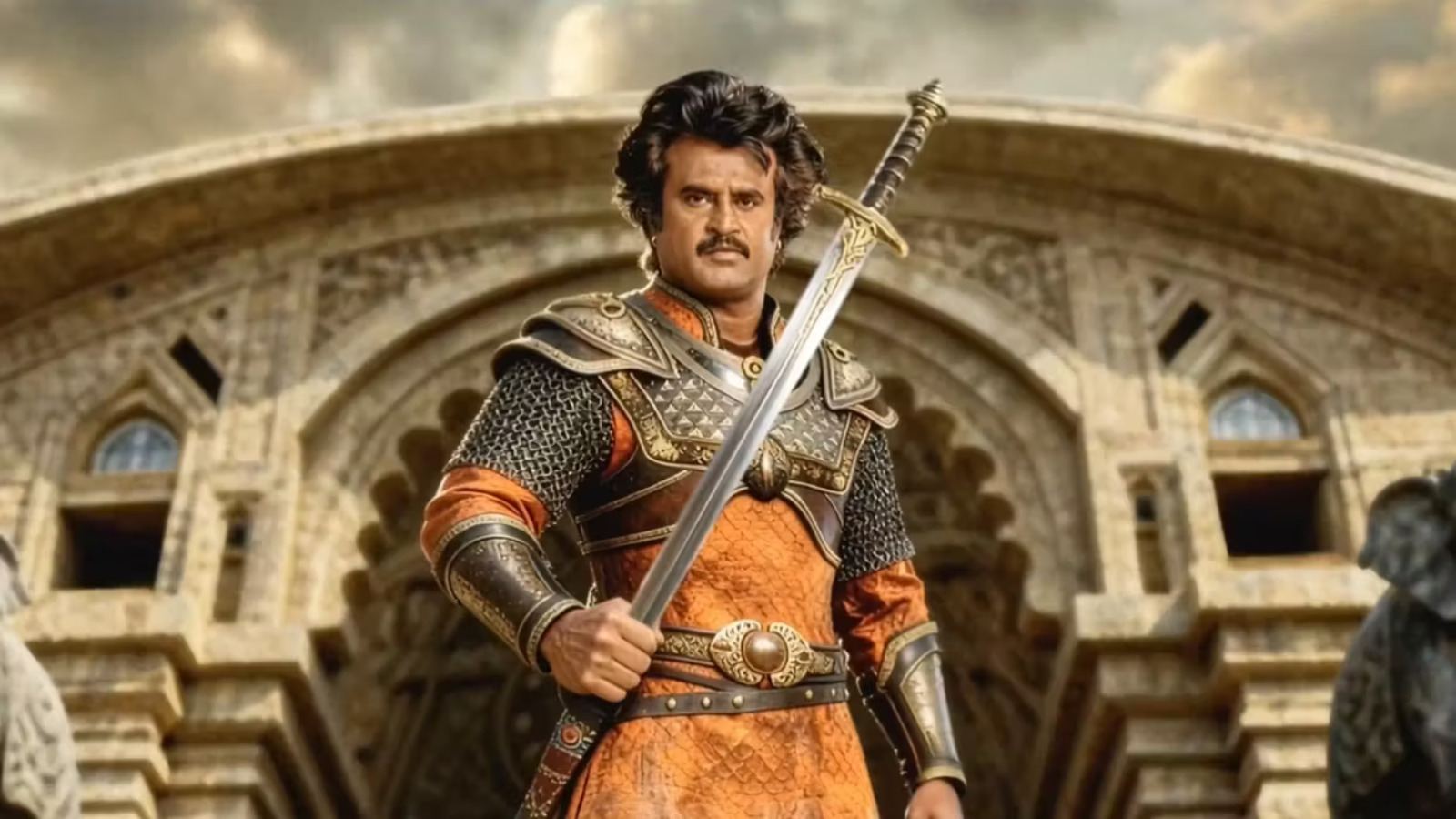
The AI-driven remaster of *Kochadaiiyaan* involves updating the film’s resolution, color grading, and sound quality using machine learning algorithms. According to a statement from Eros U.K., the process aims to “enhance the viewing experience while maintaining the integrity of the original work.” The remaster, which was unveiled as the centerpiece of the studio’s upcoming lineup, has been described as a “pioneering effort” in blending traditional filmmaking with cutting-edge technology.
The project’s technical details remain somewhat opaque, but industry insiders suggest that the AI tools used are capable of analyzing and reconstructing footage frame by frame. This approach allows for the correction of aging film stock, the removal of digital noise, and the enhancement of visual effects that may have appeared dated by modern standards. The result is a version of the film that is both faithful to its roots and accessible to new generations of viewers.
Who Is Involved in the Initiative?
Eros U.K., a subsidiary of the Eros International media group, has long been a key player in the Indian film industry. The company’s decision to invest in the *Kochadaiiyaan* remaster underscores its commitment to expanding its catalog of content through innovative means. While specific details about the AI vendors or technical partners involved have not been disclosed, the project is believed to have been developed in collaboration with a team of digital restoration specialists.
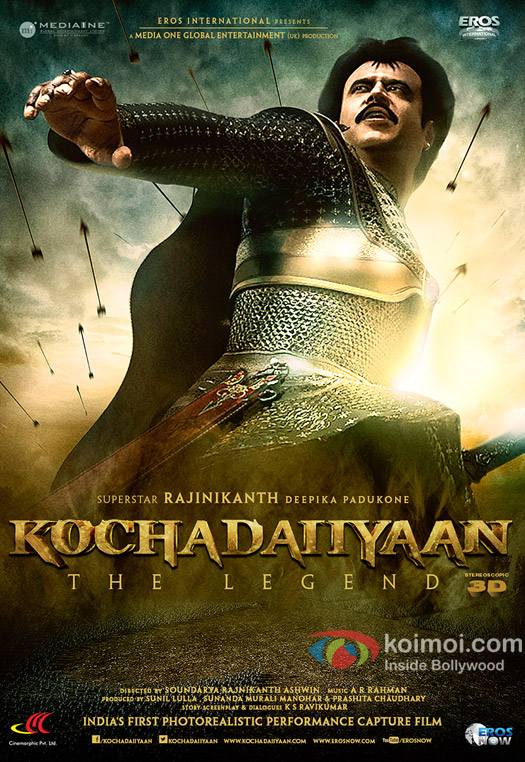
Rajinikanth, one of South India’s most iconic actors, has not publicly commented on the remaster. However, his representatives have acknowledged the project as a “valuable effort to preserve the legacy of the film.” The actor’s involvement in the original production, which was a landmark in Tamil cinema for its use of motion capture technology, adds another layer of significance to the AI-driven revival.
Why This Matters: The Broader Implications
The *Kochadaiiyaan* remaster is part of a growing trend in the film industry to leverage AI for restoration and re-release projects. Studios worldwide have begun exploring similar initiatives, from the digitization of classic films to the creation of remastered versions of cult favorites. This shift reflects a dual demand: the need to preserve cinematic history and the desire to attract younger audiences who may not have experienced these works in their original form.
Experts in media technology highlight that such projects also have economic implications. By repackaging older films with modern enhancements, studios can tap into new revenue streams. For example, the 2019 remaster of *The Lion King* (2019) generated significant box office success despite mixed critical reception, proving that nostalgia-driven content can still resonate with audiences. Eros U.K.’s move may be a strategic attempt to replicate this model in the Indian market.
However, the project has also raised questions about the ethical boundaries of AI in film. Some critics argue that over-editing classic works risks diluting their original artistic intent. “While technology can enhance the viewing experience, it’s crucial to respect the creative choices made by the filmmakers of the time,” said Dr. Anjali Mehta, a film historian at the National Institute of Visual Arts. “The line between preservation and alteration is a delicate one.”
Reactions and Expert Perspectives
The announcement of the *Kochadaiiyaan* remaster has elicited a range of responses from industry stakeholders. Film critics have praised the initiative as a “necessary step in the digital age,” noting that it could serve as a template for other studios looking to modernize their archives. “This project demonstrates how technology can be a tool for accessibility rather than a replacement for original artistry,” said Ravi Kapoor, a senior film analyst at Cinematic Insights.
On the other hand, some purists have expressed concerns about the potential loss of authenticity. “There’s a risk that AI enhancements could overshadow the original vision of the film,” said Priya Deshmukh, a director known for her work in independent cinema. “Audiences should have the option to watch the film in its original form, not just a polished version tailored for modern tastes.”
Industry observers also point to the potential impact on the broader film ecosystem. The success of the *Kochadaiiyaan* remaster could encourage more investment in AI-driven restoration projects, potentially leading to a new wave of re-releases. However, it may also create challenges for smaller studios that lack the resources to compete in this space. “The playing field is becoming increasingly unequal,” said Manoj Patel, a media economist. “Larger companies with access to advanced technology will dominate this market, while independent filmmakers may struggle to keep up.”
Historical Context and Industry Trends
The use of AI in film restoration is not entirely new. Notable examples include the 2021 project to restore *Casablanca* (1942) using machine learning to repair damaged footage, and the 2022 re-release of *Blade Runner* (1982) with enhanced visual effects. These efforts have demonstrated the potential of AI to breathe new life into classic works while preserving their historical value.
In India, the trend is gaining momentum. The National Film Archive of India (NFAI) has been working on digitizing its vast collection of films, many of which are at risk of deterioration. The *Kochadaiiyaan* remaster aligns with these efforts, albeit with a commercial focus. “This project could serve as a bridge between archival preservation and market viability,” said NFAI director Sanjay Lal. “It shows that there is a viable path for combining technical innovation with cultural preservation.”
Another factor driving this trend is the rise of streaming platforms. As services like Netflix and Amazon Prime expand their libraries, there is a growing demand for diverse content. AI-driven remasters offer a way to fill this demand without the need for
